





Indian Markets Plunge to Six-Month Low as Oil Fears Grip Investors
Indian equity markets witnessed a sharp sell-off on Monday, with the benchmark indices sliding to their lowest levels in nearly half a year. The decline was triggered by a global “risk-off” sentiment as hopes for a diplomatic breakthrough between the US and Iran evaporated, causing crude oil prices to surge past the $100-per-barrel threshold.
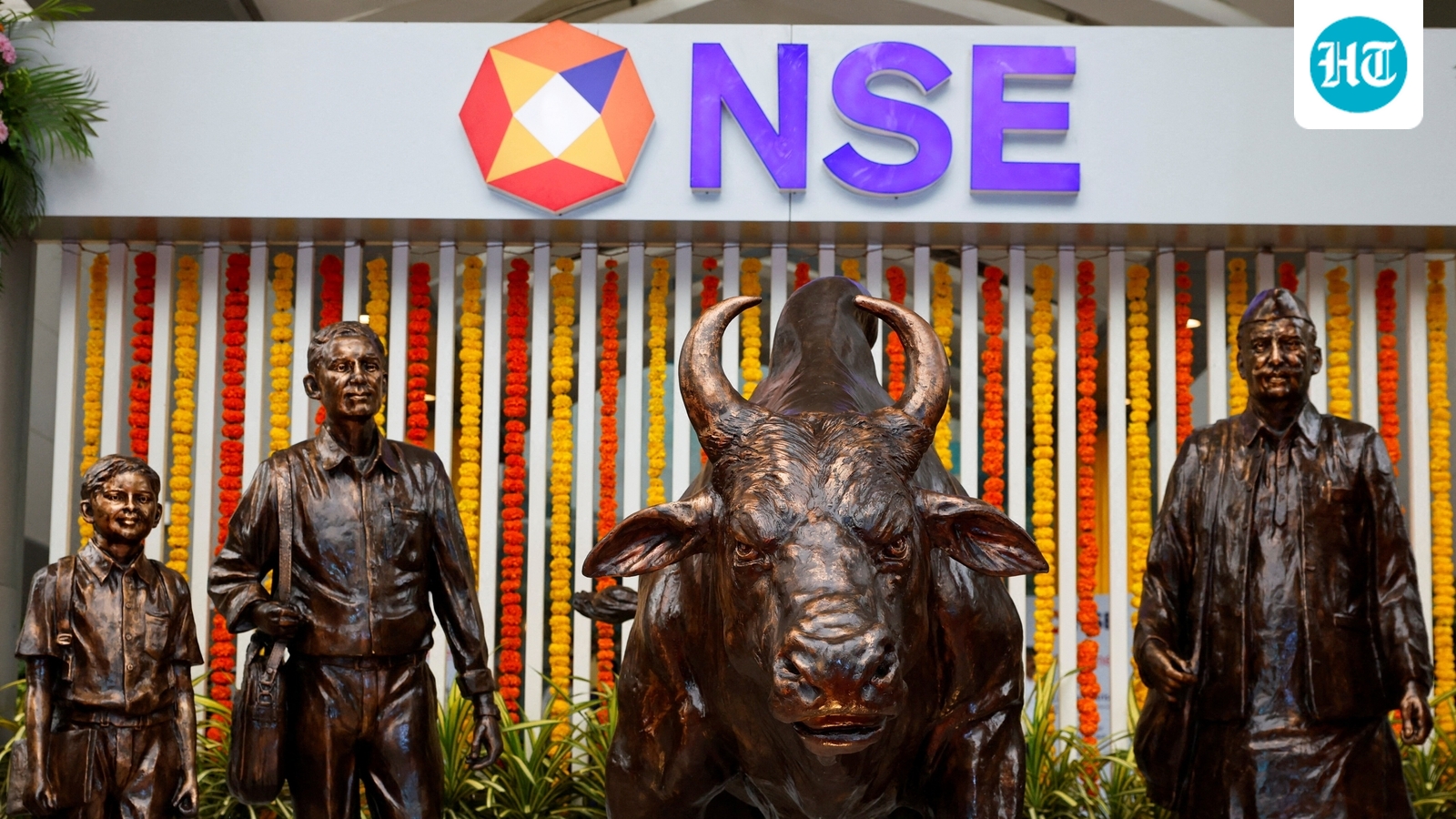
The Nifty 50 index tumbled 1.6% to settle at 22,780.25, marking its weakest close since early April. Similarly, the BSE Sensex mirrored this bearish trend, shedding 1.5%. The contagion of investor anxiety was not limited to Dalal Street; stock markets across Japan, South Korea, and China also faced significant downward pressure, while US Dow futures struggled to maintain stability.
Geopolitical Tensions Fuel Energy Crisis
The volatility stems from heightened tensions in the Middle East. Reports indicate that US President Donald Trump rejected an Iranian overture to reopen the Strait of Hormuz and de-escalate hostilities. While Tehran maintains that diplomacy is the only viable path to resolving the standoff, market participants are increasingly pricing in a prolonged conflict.
This uncertainty has sent energy markets into a frenzy. Brent crude futures surged, trading near $107 a barrel on Monday, after hitting an intraday peak of $108.83. Because India relies on imports for roughly 90% of its petroleum needs, this price spike poses a significant macroeconomic threat. Economists estimate that for every $1 increase in the price of a barrel of oil, India’s annual import bill swells by approximately ₹18,000 crore, further straining the fiscal balance.
Economic Headwinds and Inflation Worries
The persistent rise in crude oil prices serves as a massive headwind for the Indian economy. Beyond the direct impact on the import bill, elevated energy costs typically ripple through the supply chain, inflating the prices of essential commodities like fertilizers and natural gas. This creates a challenging environment for corporate profitability and domestic inflation control.
Gaurav Dua, Chief Investment Officer at Standard Chartered Securities India, noted that crude oil remaining above the $100 mark continues to erode sentiment toward Indian equities. “The rising expectations of a rate hike and a possible hawkish commentary in the Reserve Bank of India’s (RBI) forthcoming monetary policy review is an added overhang on the markets,” Dua stated.
A Year of Market Volatility
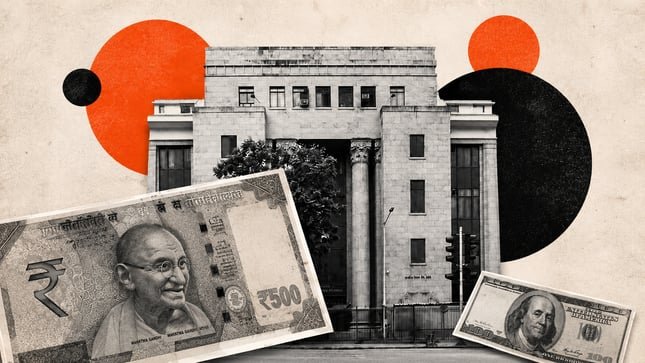
Monday’s losses contributed to a broader downtrend, with the Nifty 50 down nearly 13% for the calendar year, positioning it among the worst-performing markets in Asia. Sectoral data showed significant carnage, with the Nifty PSU Bank index plummeting 3.2%, while real estate and oil & gas stocks dropped roughly 2% each. The Indian Rupee also retreated, depreciating 0.2% to 95.98 against the US dollar.
A recent analysis from BNP Paribas Research highlights the mounting pressure on the central bank. While India’s macroeconomic buffers, bolstered by FCNR inflows, remain resilient, the outlook is increasingly clouded by global inflation and rising US Treasury yields. With the 10-year US yield hovering near 5%, capital flight has become a distinct risk for emerging markets.
As the RBI prepares for its next policy review, analysts suggest there is limited room to maintain the current interest rate trajectory. The narrowed interest-rate differential between the US and India, coupled with a weakening rupee, may force a hawkish stance. While technical indicators suggest the Nifty 50 is nearing a potential support zone, market participants remain cautious, waiting to see if the coming week offers any reprieve after seven consecutive weeks of losses.
Disclaimer: This content is auto-generated for informational purposes only.
Source: Read Original News