







Naughty Dog Announces Expansion of The Last of Us Franchise
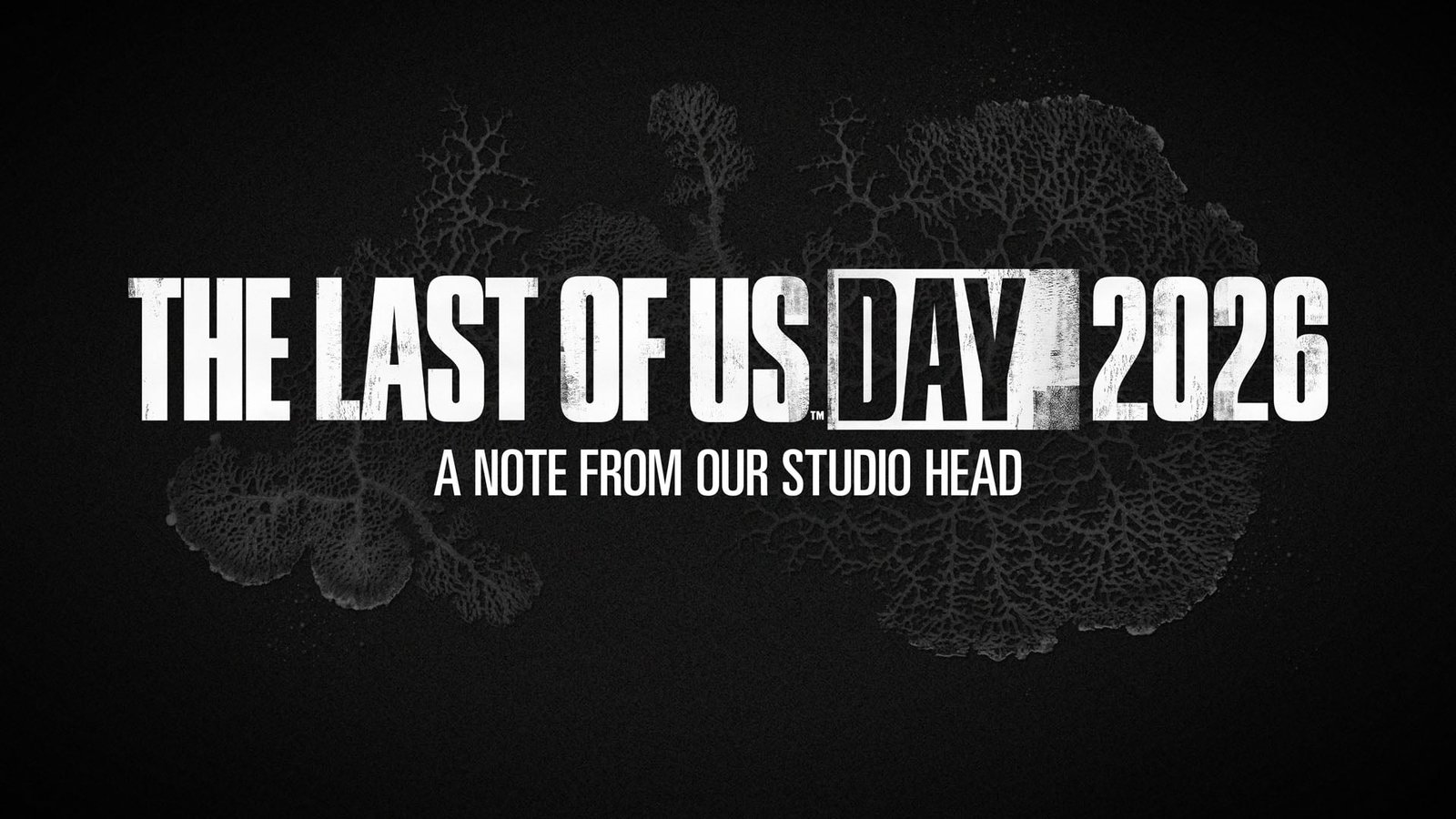
The landscape of interactive storytelling is poised for significant development as Naughty Dog officially confirmed the initiation of two new projects set within the universe of The Last of Us. Following the conclusion of The Last of Us Day 2026, studio head Neil Druckmann released a formal statement outlining the future trajectory of the critically acclaimed series. While specific details remain under tight security, the acknowledgment of these developments marks a pivotal transition for the studio, which has spent the last decade refining the narrative architecture of Joel and Ellie’s harrowing journey.
The announcement arrives on the heels of Grounded II, the comprehensive documentary detailing the production of The Last of Us Part II. This retrospective served as a catalyst for internal discussions regarding the potential for further expansion. According to Druckmann, the studio is moving beyond the established narrative confines of the first two installments, promising to broaden the canon in ways that challenge existing perceptions of this post-pandemic world.
Technical Evolution and Narrative Canon
For Naughty Dog, the expansion of the canon represents a significant technical and creative undertaking. The Last of Us series is defined by its meticulous attention to environmental storytelling, motion-captured character performances, and a sophisticated artificial intelligence system that dictates both combat encounters and companion behavior. Any new project set in this environment must adhere to the high fidelity and mechanical cohesion established by the previous titles.
By explicitly stating that these projects will expand the canon, Naughty Dog is signaling a departure from simple sequels. The studio is looking to explore geographical regions, time periods, or character perspectives that have not yet been addressed. This technical expansion involves the integration of updated game engines and potentially new procedural generation or systemic storytelling tools that could allow for a more dynamic, non-linear experience compared to the rigid, scripted sequences of the core games.
The Philosophy of Meaningful Storytelling
A central tenet of Naughty Dog’s production strategy is the requirement for a strong, thematic justification for returning to an intellectual property. Druckmann emphasized that the studio remains committed to the principle that any entry into the franchise must have something substantive to convey. This echoes the development cycle of The Last of Us Part II, where the team spent years debating the necessity and trajectory of the sequel before finalizing the script.
This rigorous quality control serves as a guardrail against creative burnout and franchise fatigue. By focusing on projects that feel essential rather than obligatory, the development team ensures that the technical advancements made in lighting, physics simulation, and audio engineering serve a purpose rooted in the narrative’s intent. For the player, this means that every new environmental detail or dialogue tree is likely to be crafted with the same level of granular precision seen in previous entries, ensuring continuity in tone and technical execution.
Speculation on Project Mediums and Formats
One of the most debated aspects of the announcement is the medium these new projects will take. Because Druckmann avoided explicitly labeling them as video games, industry analysts have been left to speculate on the nature of the development. Given Naughty Dog’s recent history, there are several viable avenues. It is possible that one project could be a narrative-driven standalone expansion, similar to the scope of Uncharted: The Lost Legacy. Alternatively, these projects could leverage the studio’s expertise in linear, cinematic storytelling to explore interactive formats that blur the lines between traditional gaming and serialized television.
From a production standpoint, Naughty Dog is uniquely positioned to bridge these gaps. Their proficiency in cinematography and real-time rendering allows them to produce content that meets the visual standards of modern television while maintaining the interactivity of high-end software. Whether these projects take the form of episodic digital experiences or immersive virtual simulations, they represent a significant scaling of the studio’s output and a diversification of their portfolio.
Strategic Impact on the Industry
The influence of The Last of Us on the broader gaming industry cannot be overstated. By setting a high bar for performance capture and mature, grounded storytelling, Naughty Dog has influenced how developers approach world-building. The news that the studio is committing to two concurrent projects in this space indicates a massive allocation of resources and talent. This move underscores a broader industry trend where major studios are focusing on established, high-value intellectual properties rather than untested new ventures.
The successful implementation of these projects could redefine the expectations for long-term franchise management. By integrating feedback from the community and analyzing the data gathered from previous releases, Naughty Dog is effectively engineering a blueprint for sustainable growth. As these projects move out of the very early stages of development, the industry will be watching closely to see how the studio balances its reputation for perfectionism with the logistical demands of managing multiple complex development tracks. The upcoming updates on these initiatives will be critical in understanding how the studio plans to maintain technical parity across a larger, more fragmented narrative landscape.
Disclaimer: This content is auto-generated for informational purposes only.
Source: Read Original News