







Evolution of StandBy Mode on iPhone Duo
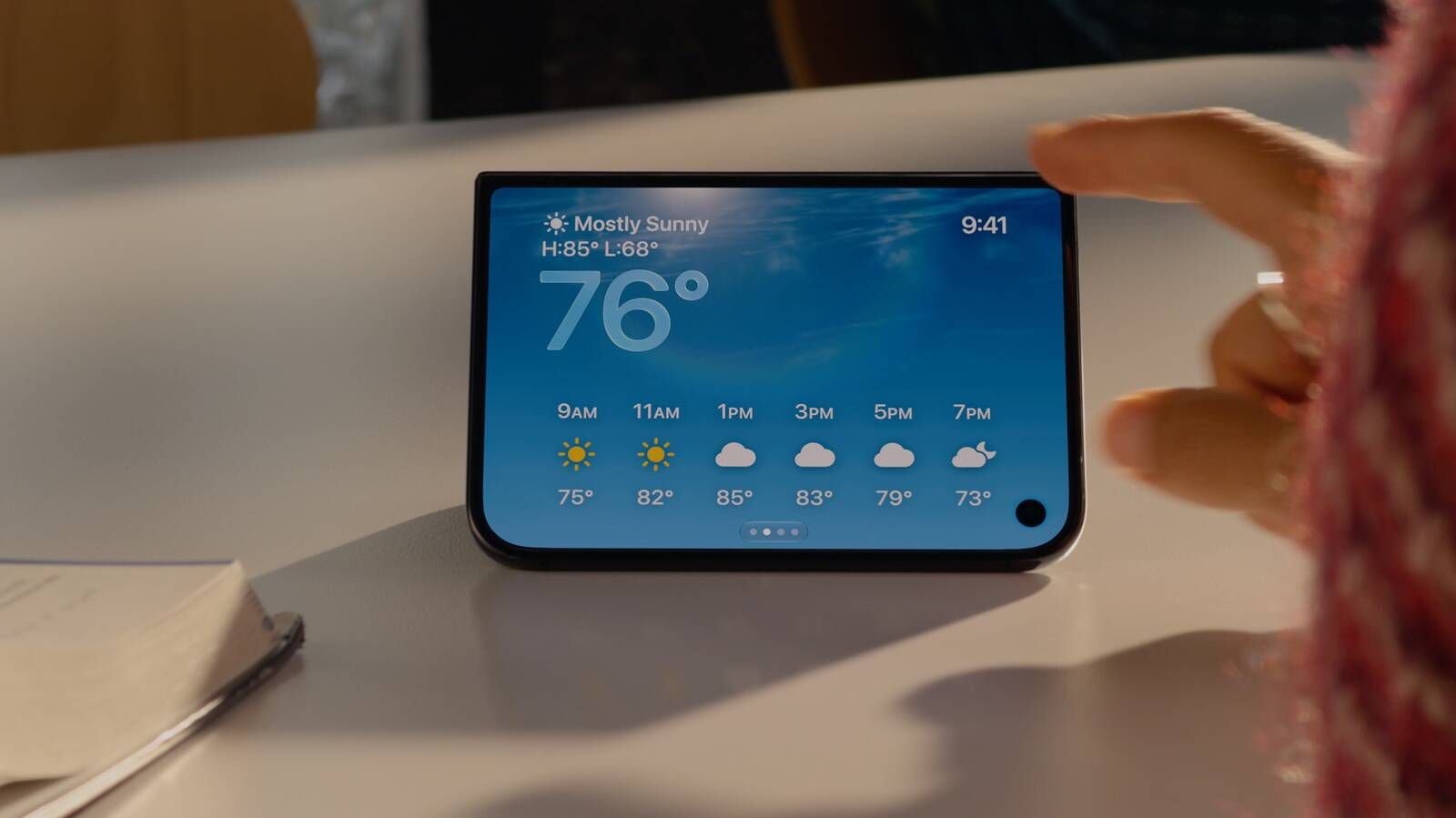
The introduction of the iPhone Duo alongside the rollout of iOS 27 marks a significant shift in how Apple treats peripheral display states. Historically, the StandBy feature was tethered to charging states, requiring the device to be positioned horizontally while connected to power to display helpful, glanceable information. The iPhone Duo, however, decouples this functionality from the power cable, allowing the device to act as a persistent smart display at any time.
Recent technical disclosures concerning the iOS 27.1 simulator indicate that Apple is expanding the aesthetic and functional surface area of this mode. By analyzing localization strings and internal rendering data, researchers have uncovered evidence of several new interface configurations. These additions suggest that Apple intends for the device to serve as a primary hub for environmental interaction, transforming the phone into a functional desk clock, weather station, or smart home controller regardless of whether it is drawing current from a battery or an external source.
Customizable Interface Architectures
The core of the updated StandBy mode is its emphasis on user-defined layouts. Apple has integrated a sophisticated face editor that allows for the granular adjustment of style, color, and widget placement. This editor mirrors the customization depth found in current lock screen interfaces but is optimized for the horizontal orientation inherent to the iPhone Duo.
Data suggests there are at least five specific widget layouts available for clock-centric faces: StandBy, Stacked, Top, Middle, and Bottom. These arrangements allow users to prioritize information based on their specific physical environment. For instance, a user can configure a “Top” layout to prioritize high-priority notifications, while a “Bottom” layout might house environmental controls or music playback status. Swipe gestures enable rapid switching between these configurations, providing a fluid transition between functional modes without the need to enter the standard operating system UI.
Expanded Display Capabilities and Smart Home Integration
Among the most anticipated updates for the iPhone Duo are the specialized faces designed for home management. The inclusion of a Home Camera view is a strategic pivot that turns the device into a dedicated security monitor. This interface can display a single, high-definition feed from a connected HomeKit camera or aggregate a grid of up to nine separate feeds simultaneously. This capability provides a centralized monitoring solution that is both reactive and passive.
Additionally, the Home Modular face suggests a deep integration with the Home app, allowing for one-tap control over smart lighting, climate systems, and security locks. By surfacing these controls within the StandBy environment, Apple is effectively positioning the iPhone Duo as a primary competitor to dedicated wall-mounted smart home panels. The ability to access these controls instantly, without needing to unlock the device or navigate through application menus, underscores the intended use-case of the device as a persistent, ambient computing platform.
Experimental Interfaces and Aesthetic Variations
Leaked internal data highlights several experimental or upcoming interfaces that go beyond standard utility. The “Flow” face is expected to incorporate dynamic animations, likely leveraging the hardware’s internal sensors to react to ambient movement or input. Another interface, referred to as “Fade,” remains enigmatic, with developers noting a lack of specific functional details in current builds.
These additions complement existing, established faces such as the analog and digital clocks, the classic calendar, weather tracking, and integrated photo displays. By allowing users to cycle between productivity-focused views like the Shared Albums or Memories and more whimsical options like the Snoopy-themed face, Apple is attempting to balance industrial utility with individual preference. These software adjustments indicate that the company views the screen of the iPhone Duo as a canvas that should adapt to the user’s surroundings rather than serving as a static piece of hardware.
Impact on Hardware Utility and Market Positioning
The shift toward a persistent, battery-independent StandBy mode represents a fundamental change in the lifecycle of the iPhone. By maintaining an active, useful screen state even when the device is idle, Apple is blurring the lines between a mobile smartphone and a stationary smart device. This transition suggests that future hardware iterations may increasingly emphasize screen efficiency and power management, as users are expected to leave the device in a “always-on” or “always-ready” state for longer durations.
As pre-orders for the iPhone Duo approach on October 16, with a retail release scheduled for October 23, the focus remains on how these software refinements will perform under real-world conditions. The transition from a charging-dependent novelty to an always-available information hub is a bold play in the hardware space. It requires not only robust software but also high-efficiency display technology capable of maintaining these new interfaces without significant battery drain. The upcoming launch will serve as the primary test for whether this refined StandBy mode can successfully transition the iPhone from a pocket device to a versatile, multi-purpose center for the modern connected home.
Disclaimer: This content is auto-generated for informational purposes only.
Source: Read Original News