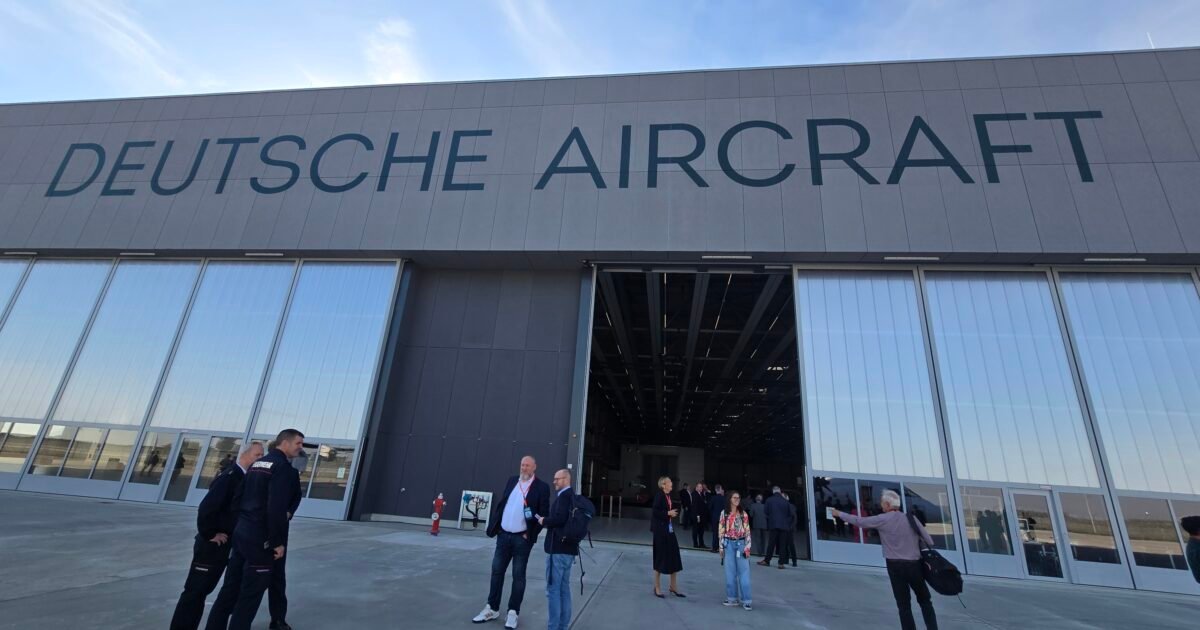








Mexico’s industrial landscape stands at a crossroads, where the path to true global competitiveness may lie not in building from scratch, but in the strategic leverage of joint ventures. While European firms have long utilized co-investment to scale and mitigate risk, Mexican small and medium-sized enterprises (SMEs) have been slow to adopt this proven model. By failing to bridge the gap between foreign technology and local execution, the country is missing out on a vital opportunity to modernize its manufacturing capabilities.
The Logic of the Strategic Partnership
The fundamental strength of the joint venture (JV) lies in complementary value. A foreign mid-sized company often possesses the technical certifications, global market access, and cutting-edge IP that a Mexican firm lacks. Conversely, the local partner offers deep-seated knowledge of regional labor regulations, established local infrastructure, and the essential social capital required to navigate Mexico’s complex industrial environment.
Rather than viewing foreign competitors as threats, domestic firms must recognize them as partners. This “follow the customer” model has historically been the cornerstone of industrial growth in regions like Bajío. When giants like Volkswagen or Audi expanded into new markets, their specialized Tier-2 and Tier-3 suppliers followed, effectively importing an entire supply chain ecosystem. In the aerospace sector, companies near Querétaro are beginning to mirror this, yet the trend remains dangerously thin. For a Mexican SME, a JV serves as a high-speed elevator—granting instant access to advanced technology, global quality standards, and established customer contracts in one unified deal.
Institutional Asymmetry and the Data Vacuum
The disparity in success often boils down to structural support. European nations invest heavily in institutional matchmaking; for example, France’s “Team France Export” deploys dedicated resources to guide SMEs through international entry hurdles. In contrast, since the 2019 dissolution of ProMéxico, the country lacks a cohesive national entity to facilitate these connections.
While the private sector and specialized consultancies are attempting to bridge this divide, they are merely filling a vacuum rather than executing a national strategy. To compete, Mexico must transition from a passive recipient of investment to an active architect of its supply chain. This requires a three-pronged approach: identifying missing industrial links through data analysis, conducting professional and curated matchmaking, and providing long-term administrative accompaniment to ensure that investments take root and flourish.
Industrializing the Matchmaking Funnel
The modern industrial era demands that we “industrialize the funnel.” Just as big tech giants leverage advanced algorithms to optimize supply chains and refine consumer targeting, Mexico could utilize its vast economic census data and customs records to drive industrial development.
By applying disciplined, data-driven methodologies, authorities can move beyond ineffective trade fairs and toward precise, high-conversion matchmaking. This process involves analyzing hundreds of profiles to find the exact technical match for a specific manufacturing gap, followed by on-site auditing to ensure environmental, social, and governance (ESG) compliance.
As of May 2026, the modernization of the Global Agreement with the European Union offers a new, robust framework that explicitly prioritizes the integration of SMEs into global value chains. Digital trade and cross-border service chapters provide the necessary guardrails to make these partnerships seamless. The challenge moving forward is no longer about finding market access—that has already been achieved. The real, high-stakes diplomatic and economic task of the next decade is converting that access into active, high-value co-investments that secure Mexico’s position in the global economy. By digitizing the matchmaking process and fostering a policy of active collaboration, Mexico can finally transform its potential into a sustainable, tech-integrated industrial reality.
Disclaimer: This content is auto-generated for informational purposes only.
Source: Read Original News