







Beyond the Alpha Myth: Why Tahir Raj Bhasin is Choosing Substance Over Stereotype
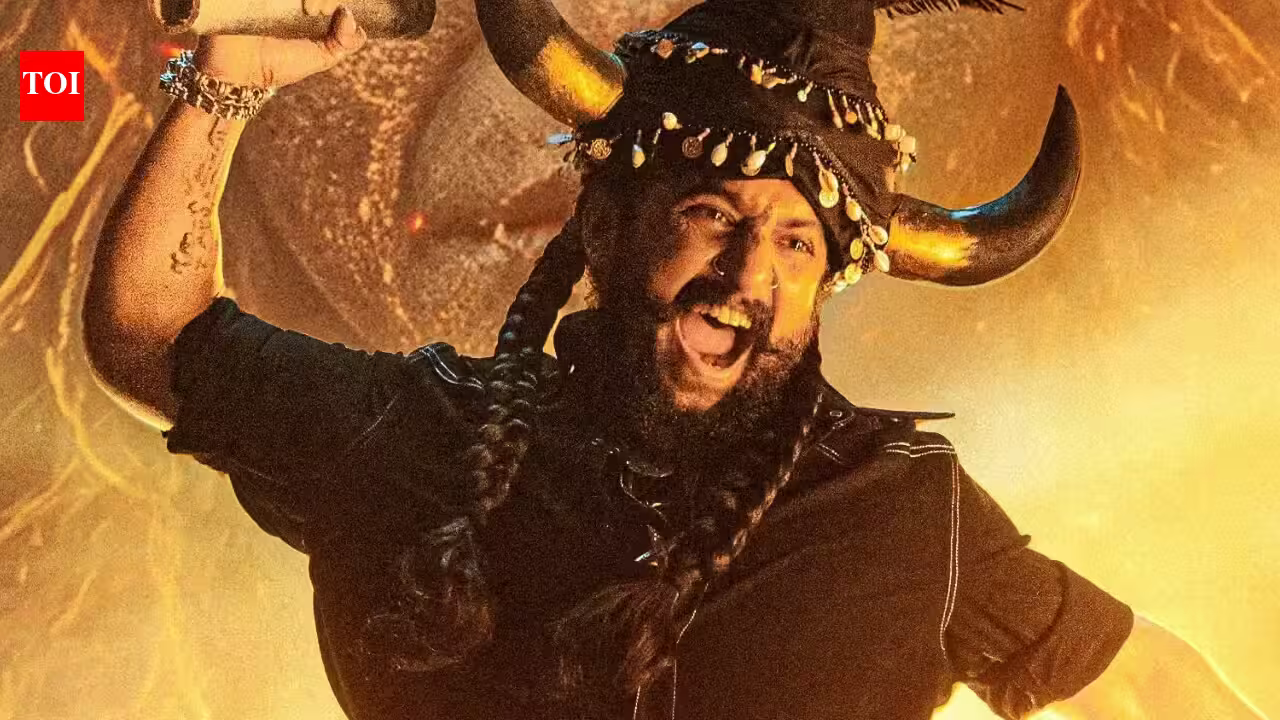
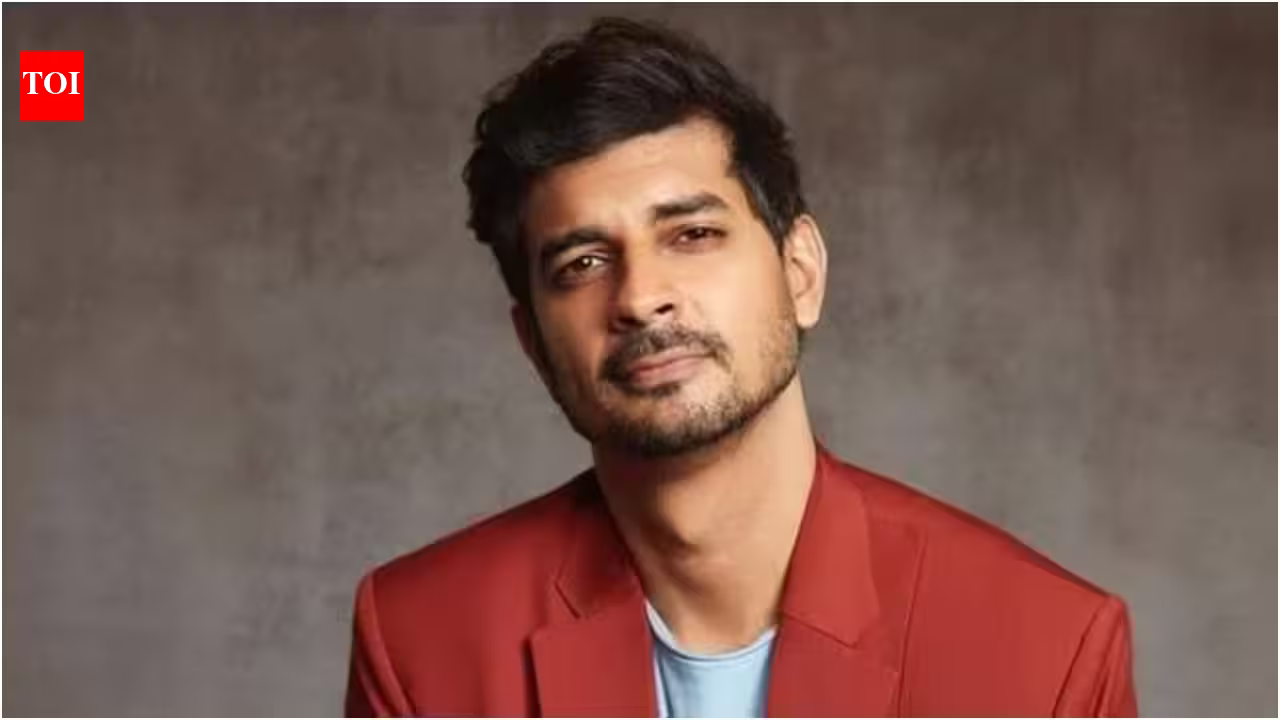
In an industry currently obsessed with the “alpha male” archetype, Tahir Raj Bhasin is choosing to navigate the cinematic landscape with a compass set firmly on narrative integrity. As the post-Animal era continues to dominate discourse in Indian cinema, Bhasin—whose career has been defined by a chameleon-like ability to inhabit complex, often morally grey characters—is making it clear that he isn’t interested in hypermasculinity just for the sake of box-office bravado.
Currently riding a wave of critical acclaim for his role in Netflix’s Shaque: Trust No One, Bhasin remains one of the few actors who manages to command the screen whether he is the protagonist, the antagonist, or part of a sprawling ensemble. As the industry grapples with the fallout and success of hyper-violent, hypermasculine narratives like Dhurandhar and Toxic, Bhasin is taking a measured, actor-centric approach to the debate.
The Narrative Over the Persona
When asked if he would consider leaning into the trending trope of the hypermasculine hero, Bhasin’s response isn’t a simple yes or no; it’s an invitation to analyze the craft. In a recent interaction with NDTV, he underscored a vital distinction that many of his peers often overlook: the difference between a character trait and a narrative necessity.
“It would really have to suit what the story is,” Bhasin explained. “If I play in a gangster drama, there’s an inherent logic to how a character carries themselves. But I don’t think playing hypermasculinity as a character choice when the story doesn’t demand it is something I would be in favor of.”
For Bhasin, the performance must be organic. He rejects the idea of “wearing” a personality trait just because the current market demands it. By placing the script at the center of his decision-making process, Bhasin is essentially safeguarding his artistic legacy against the fickle tides of commercial trends. It is a refreshing stance in an industry where actors are often pressured to curate a specific “image” to remain relevant.
The Security of the Ensemble
Bhasin has carved out a unique space for himself in films like 83 and Chhichhore, projects that required him to step back and allow the collective story to take precedence. In an era where star power is often measured by screen time, Bhasin finds strength in collaboration.
In Shaque: Trust No One, he steps into an ensemble that includes the powerhouse Parineeti Chopra and the venerable Soni Razdan. When questioned about the insecurity that often plagues actors in high-wattage casts—the fear of being sidelined or losing one’s identity—Bhasin is characteristically pragmatic.
“Security comes from the script,” he asserts. “You know that the story can’t evolve unless the character evolves.” His approach is rooted in the belief that an actor’s worth isn’t determined by the number of frames they occupy, but by the impact their character has on the story’s trajectory. This philosophy has served him well, allowing him to transition seamlessly from the chilling antagonist in Mardaani to the nuanced, layered roles he is now known for.
Navigating the Intricacies of ‘Shaque’
In his latest outing, Shaque, Bhasin plays Alok, a man caught in the precarious crosshairs of domestic tension. As the husband of Anvita (Chopra) and the son of an intimidating maternal figure (Razdan), the role requires a delicate balancing act. It is a psychological thriller that demands vulnerability rather than displays of brute strength.
Directed by Rensil D’Silva, the series forces Bhasin to operate in the gray zones of human emotion. Alok isn’t a hero who solves problems with a punch; he is a man searching for belonging, trapped in a web of shifting loyalties and domestic mystery. It is precisely these kinds of roles—which prioritize psychological depth over physical posturing—that highlight why Bhasin has become a go-to actor for directors looking for substance.
A Career Built on Range
Looking back at Bhasin’s trajectory, one can see a deliberate move away from being pigeonholed. Since his explosive debut as the villain in Mardaani (2014), he has spent the last decade systematically dismantling the idea that he is just a “negative role specialist.”
From the athletic camaraderie in 83 to the dark, stylized obsession in Yeh Kaali Kaali Ankhein and the period intensity of Sultan of Delhi, Bhasin has shown that he is equally comfortable in a tracksuit, a suit, or a period costume. He has mastered the art of the “slow burn,” allowing his characters to simmer and reveal their complexities rather than revealing their hand in the first act.
The Future of the Leading Man
As the conversation around Indian cinema shifts, the definition of the “leading man” is evolving. The hypermasculine, explosive archetype will always have its place in commercial cinema, but actors like Tahir Raj Bhasin represent a burgeoning shift toward character-driven storytelling.
By prioritizing the “why” of a character over the “what,” Bhasin is ensuring that he isn’t just another face in the crowd of a streaming giant’s library. He is building a filmography that reflects a genuine interest in the human condition. Whether he is playing a husband in a thriller or a teammate on a cricket field, his focus remains the same: the story is king, and as long as the character serves that story, he is all in.
For the audience, this is the best possible news. It means that while the industry chases the next big “alpha” trend, Bhasin will be doing what he does best—disappearing into roles that challenge him, surprise us, and prove that there is more than one way to be a hero on screen.
Disclaimer: This content is auto-generated for informational purposes only.
Source: Read Original News