






The Crisis of Capability: Why Higher Education Needs a Structural Reset
Higher education in India is currently caught in a pincer movement: a chronic shortage of qualified faculty on one side and a radical, technology-driven disruption of the classroom on the other. As universities scramble to fill vacancies under Supreme Court mandates, the conversation has moved beyond mere recruitment. To remain relevant, institutions must fundamentally redesign how they recruit, train, and support faculty, while overhauling the rigid, legacy protocols that currently govern campus life.
The primary issue begins at the entry gate. Top-tier graduates rarely view university teaching as a viable career path, partly because the profession lacks a clear, competitive structure. The current system, heavily reliant on the University Grants Commission’s NET (National Eligibility Test), focuses on subject-matter recall rather than pedagogical competency. Furthermore, the 2006 restructuring of pay bands eliminated the entry-level “Lecturer” grade, creating an “all-or-nothing” threshold that deters young talent. By reviving an entry-level “Assistant Lecturer” role, universities could offer young graduates a stable, well-paid pathway that builds toward full professorship.
Adapting Pedagogy for the AI Era
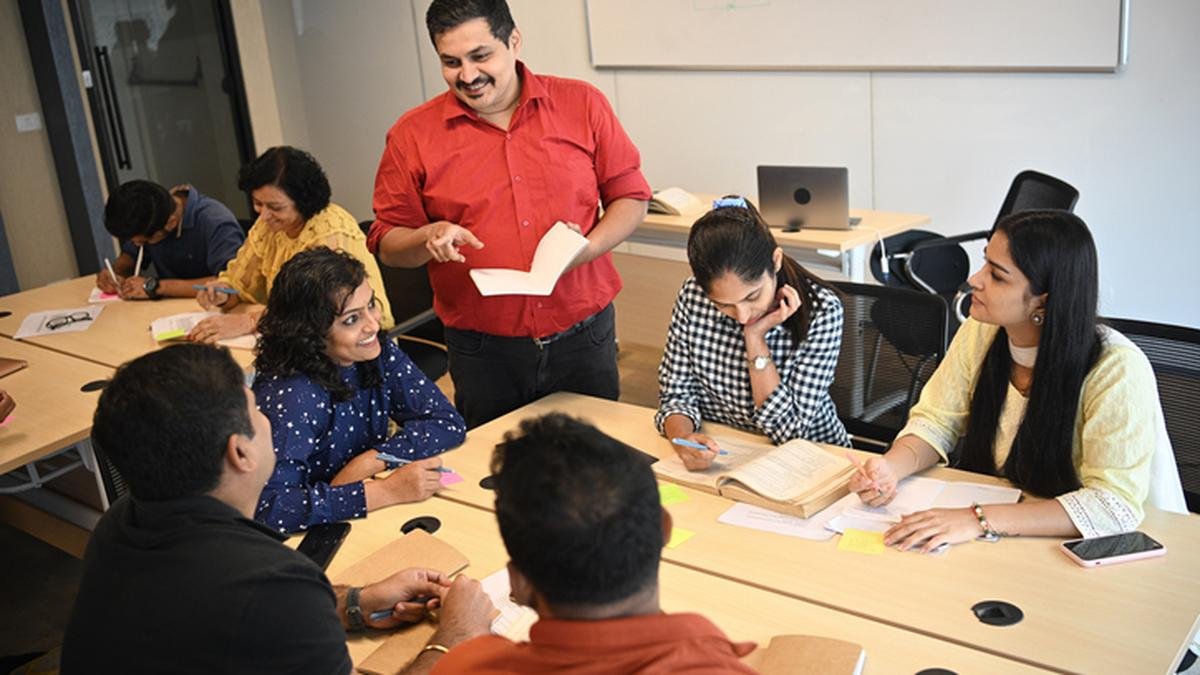
The integration of Generative AI has rendered traditional teaching methods obsolete. When AI can produce instant, complex responses, the professor’s role must shift from being a mere content provider to a curator of critical thought. To facilitate this, India requires a one-year Postgraduate Diploma in Higher Education Pedagogy. This credential would bridge the gap for new hires, ensuring that even those with strong academic records understand how to manage a classroom in an AI-integrated environment.
For the 17 lakh teachers already in the workforce, the burden of upskilling falls on existing Human Resource Development Centres. Training must evolve from basic AI literacy to AI-driven pedagogical design—a shift that should be tied to promotions under the Career Advancement Scheme (CAS). Furthermore, to address the acute teacher shortage in specialized fields like IT, institutions must move away from competing with the private sector. Instead, they should implement “Core-to-Computing” bridge programs, allowing engineering professors in traditional disciplines like civil or mechanical engineering to cross-train in machine learning and data science.
Overhauling Disciplinary Protocols
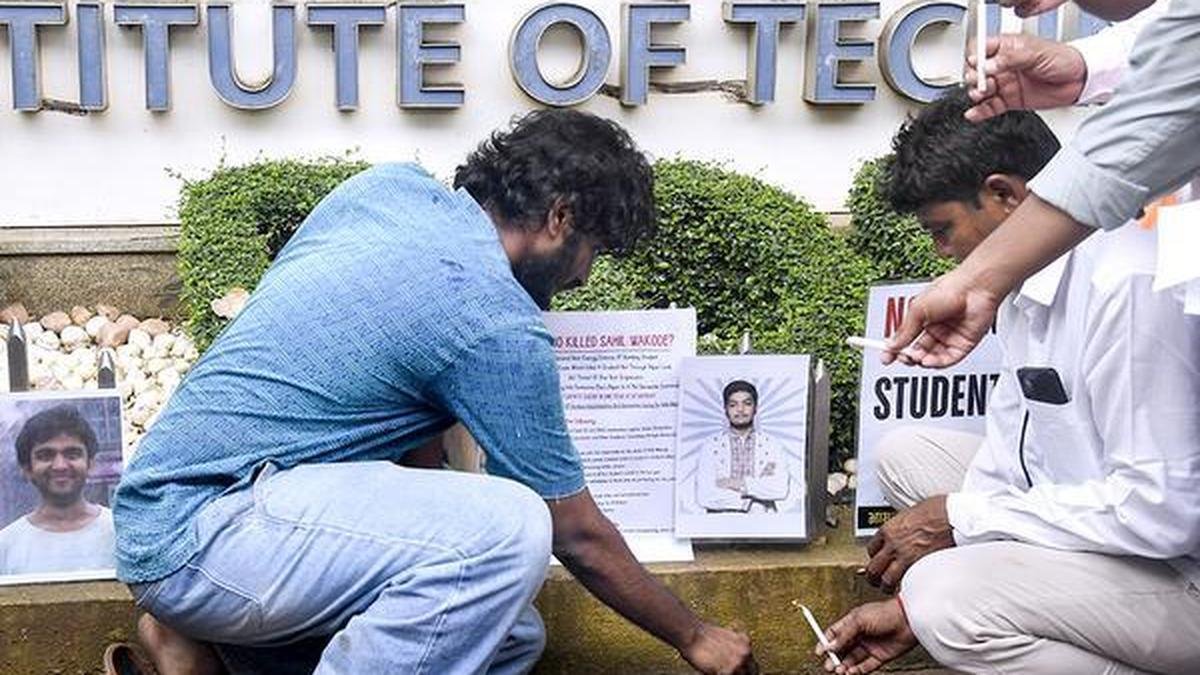
Perhaps the most urgent area for reform lies in the administration of examinations. Traditional Standard Operating Procedures (SOPs) for handling malpractice are rooted in a pre-digital, punitive culture that is ill-equipped to deal with the temptation of AI. When a student uses ChatGPT to cheat, the current reaction—public confrontation and humiliating suspension notices—often triggers severe emotional trauma rather than meaningful academic correction.
The system currently fails to recognize the vulnerability of a student caught in a high-stakes ecosystem. Revised SOPs must prioritize student well-being without compromising academic integrity. Malpractice should be handled with discretion, avoiding public scenes, and the discovery of an infraction must immediately trigger a handoff to student counselors rather than an isolated, punitive withdrawal. Academic institutions must differentiate between minor AI-policy breaches and major fraud, opting for restorative learning opportunities whenever possible.
Institutional Leadership as a Moral Obligation
Finally, the success of these reforms rests on the shoulders of academic leadership. Vice-Chancellors and Deans must be trained in modern crisis management and conflict resolution. Initiatives like the Leadership for Academicians Programme (LEAP) must be expanded to prepare administrators for the pressures of digital transformation and the increasing mental health challenges facing Gen Z.
The ultimate goal is to move past the binary of “academic rigor versus student welfare.” By modernizing recruitment pipelines, professionalizing teaching through specialized pedagogical training, and replacing archaic, fear-based discipline with modern, supportive frameworks, Indian higher education can transform from a rigid system of gatekeeping into an adaptive, student-centric environment. In the age of AI, the institution’s moral obligation is not just to test a student’s memory, but to safeguard their growth while maintaining the integrity of the degree.
Disclaimer: This content is auto-generated for informational purposes only.
Source: Read Original News