








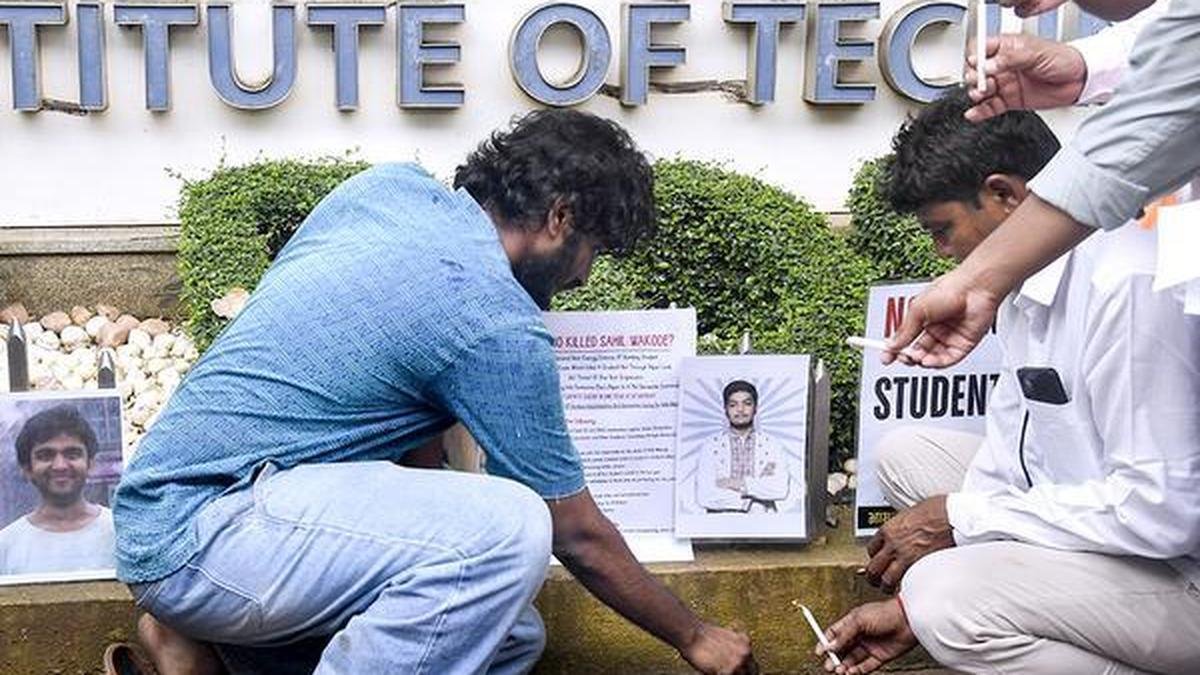
The recent tragic suicide of a second-year student at IIT-Bombay has once again brought the precarious state of student mental health in India’s premier institutions into sharp focus. While investigations into individual incidents are necessary, experts argue that the recurring nature of these tragedies suggests a systemic crisis rather than isolated failures. The prevailing atmosphere within elite technical institutions has been likened to “toxic air,” where the pressure to excel overshadows the fundamental purpose of higher education.
The Mirage of Success and Institutional “Pressure Chambers”
For students entering institutions like the IITs, the transition is often overwhelming. Many arrive from diverse backgrounds, moving away from home for the first time only to be thrust into a high-stakes environment characterized by hyper-competition. This competition does not cease upon admission; it merely shifts from entrance exams to securing elite branch changes or high-paying corporate packages.
When students fail to navigate this “pressure chamber”—compounded by language barriers, academic setbacks, and a lack of support systems—they often internalize these challenges as personal failures. The current institutional response, which largely focuses on hiring more counsellors or detecting warning signs, acts as a temporary hospital for an atmosphere that is fundamentally unhealthy. By treating the symptoms without addressing the “noxious fumes” of the institutional culture, colleges remain reactive rather than proactive.
Redefining the Four Pillars of Higher Education
To address the root cause, academic experts suggest a return to the core mandate of university education. An institution should function on four pillars: teaching, research, mentoring, and outreach. Currently, however, the focus is heavily skewed toward research—a trend driven by global rankings, government grants, and the pressure to achieve “Institute of Eminence” status.
This singular focus has left teaching devalued and mentoring largely absent. Holistic development—which includes character building, compassion, and emotional intelligence—has been sidelined. For an institution to run effectively, it must balance these four legs. When the emphasis on research erodes the bond between faculty and students, the institution loses its primary safeguard against student despair.
Restoring the Faculty-Student Bond
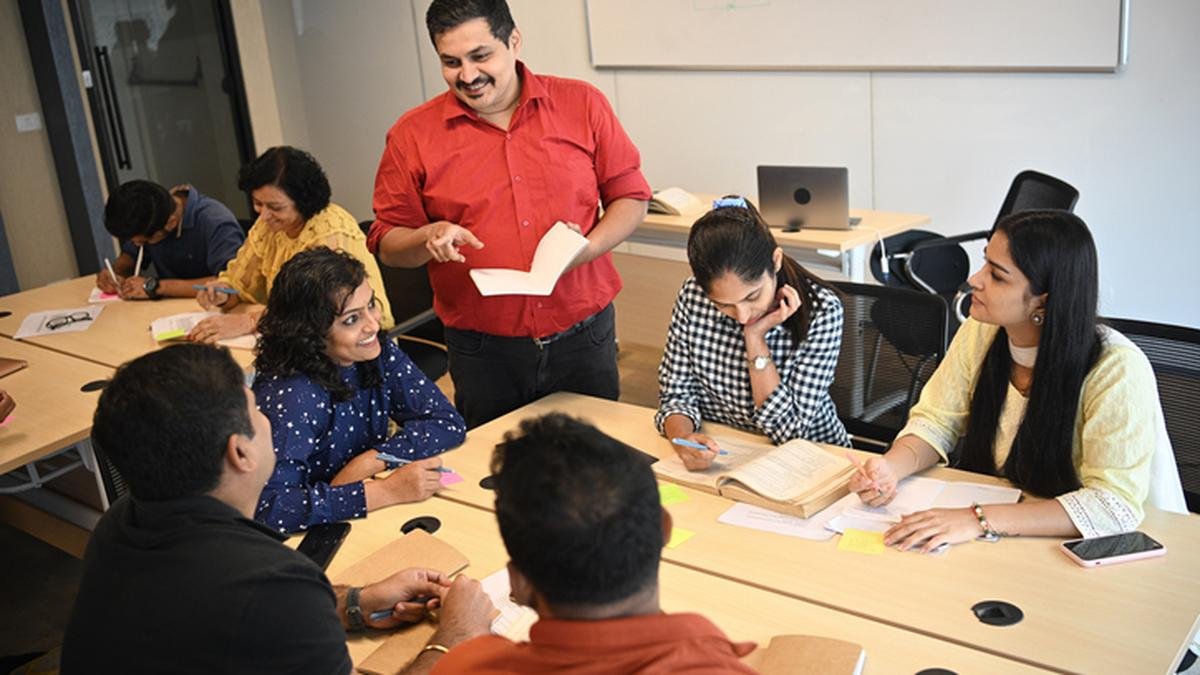
The solution lies in a fundamental shift from transactional academics to a culture of intentional mentoring. Programs like the “Universal Human Values” (UHV) course, which encourages students to discuss themes like cooperation, ethics, and self-esteem in small groups, provide a roadmap for change.
Effective mentoring requires more than a casual check-in; it demands small, structured groups where students meet regularly with faculty. These sessions, free from the pressure of grades or preaching, allow students to process the emotional and cognitive load of their experiences. By fostering empathy and building genuine human connections, institutions can transform their campuses from competitive silos into communities of support.
Policy Shifts and Institutional Responsibility
Education policy must shift to hold institutions accountable not just for their research output, but for the well-being and holistic development of their students. This involves:
- Training Faculty: Educators must be trained to serve as mentors, moving beyond classroom instruction to engage with students on a human level.
- Curricular Reform: Integrating humanities and social values into engineering curricula to provide a broader perspective on life and ethics.
- Democratic Governance: Cultivating an atmosphere where dialogue is encouraged and opposing viewpoints are treated with mutual respect, reducing the hostility that contributes to isolation.
Ultimately, cleaning the “toxic air” in our campuses requires a courageous re-evaluation of institutional priorities. If the goal of education is to produce resilient, responsible, and compassionate citizens, then the environment in which they learn must be designed to nurture their humanity as much as their intellect.
If you or someone you know is in distress, support is available. You can reach out to the Tele MANAS helpline at 14416.
Disclaimer: This content is auto-generated for informational purposes only.
Source: Read Original News