







Strategic Realignment: Netanyahu-MBZ Meeting Signals New Phase for Regional Architecture
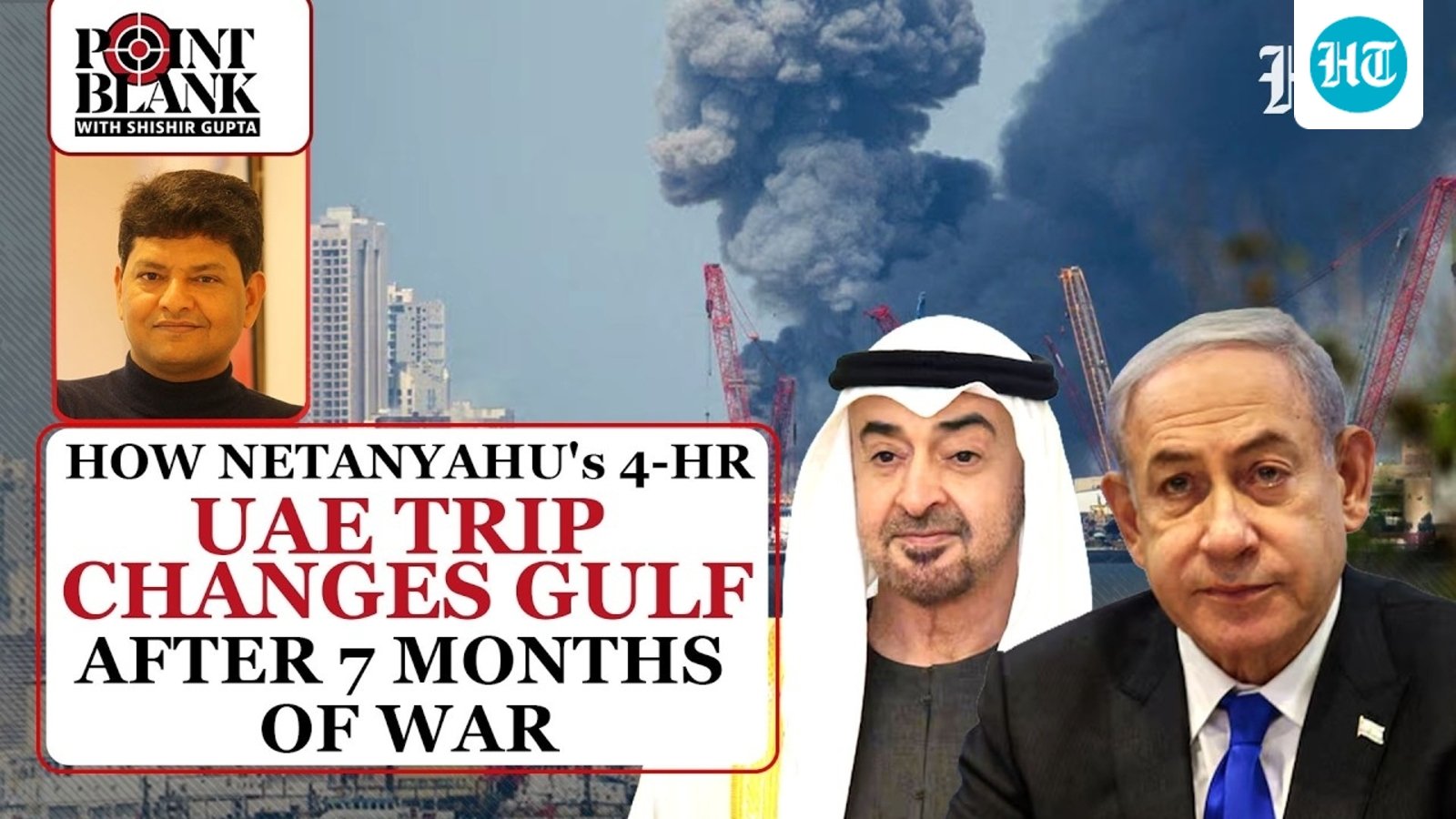
Israeli Prime Minister Benjamin Netanyahu’s recent visit to Abu Dhabi for consultations with UAE President Sheikh Mohamed bin Zayed (MBZ) has reverberated across West Asian capitals, serving as a powerful reminder of the enduring strength of the Abraham Accords. While the official agenda remained shielded from public scrutiny, the meeting underscored a deepening strategic alignment between Tel Aviv and Abu Dhabi, one that carries significant implications for regional security, the posture against Iran, and the future of critical infrastructure projects like the India-Middle East-Europe Economic Corridor (IMEC).
A Unified Front Against Regional Volatility
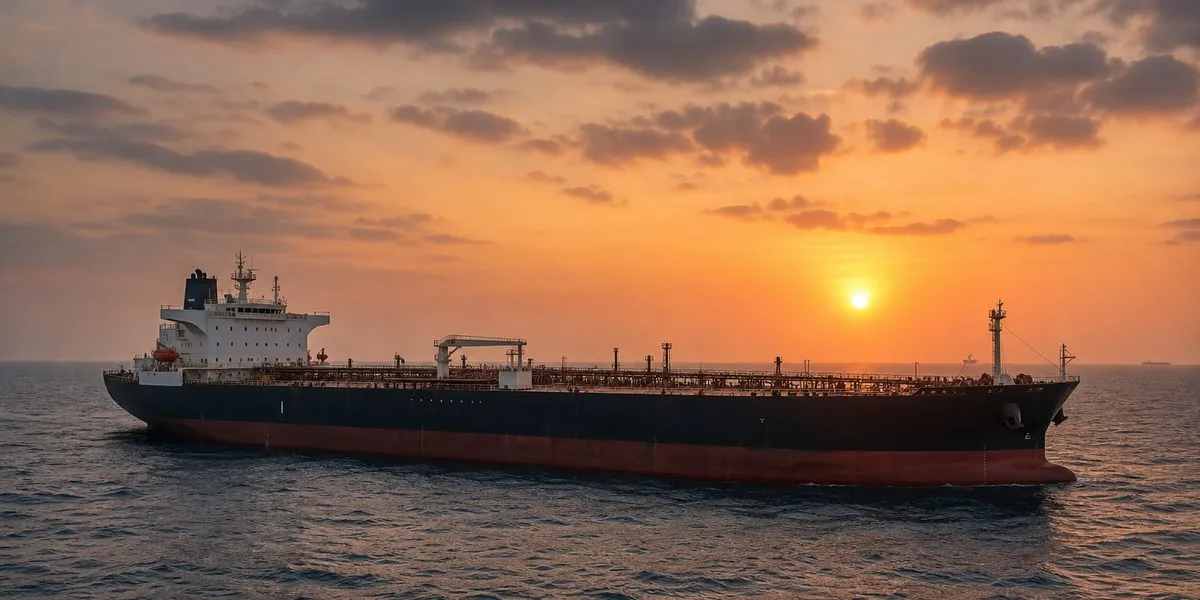
The meeting comes at a time of heightened regional anxiety, primarily fueled by the continued instability in the Red Sea and the aggressive posturing of Iran-backed proxies, most notably the Houthis in Yemen. For both Israel and the UAE, the convergence of security interests is no longer a matter of diplomatic convenience but a strategic imperative.
Analysts suggest that the dialogue between Netanyahu and Sheikh Mohamed likely focused on intelligence sharing and integrated defense measures. As Iran expands its influence through regional militias, the Israel-UAE relationship acts as a crucial buffer. By coordinating their military-technological capabilities, the two nations aim to establish a more resilient air and maritime defense framework, creating a deterrent architecture that is increasingly essential as the traditional security paradigm in the Gulf undergoes a fundamental transformation.
Strengthening the IMEC Vision
Beyond the immediate theater of defense, the engagement holds profound consequences for India’s geopolitical and economic ambitions. The India-Middle East-Europe Economic Corridor (IMEC), which seeks to link India to Europe via a network of shipping lanes and rail links through the UAE, Saudi Arabia, and Israel, has faced headwinds due to the ongoing volatility in the region.
The renewed focus on the Israel-UAE strategic partnership provides a much-needed political stabilizer for the project. If Abu Dhabi and Tel Aviv can demonstrate a sustained, friction-less coordination, it strengthens the argument for IMEC’s viability. For New Delhi, this is a critical development. India views the corridor not merely as a commercial logistics route, but as a strategic bridge that integrates its economy more deeply with the Gulf and Mediterranean markets. A stable, security-focused partnership between the UAE and Israel effectively clears the path for the long-term investment required to bring the IMEC vision to fruition.
The Uncertainty of Public Disclosure
Despite the significance of the meeting, the deliberate ambiguity surrounding the details of the discussions reflects the delicate nature of Middle Eastern diplomacy. By keeping the specifics of the agenda private, both leaders have maintained the flexibility to navigate domestic sensitivities and complex regional perceptions.
Observers emphasize that while the military and intelligence dimensions of the visit remain unconfirmed, the optics alone serve as a clear message to external actors. The normalization of high-level interaction between Israel and the UAE is an institutionalized reality, not a temporary convenience. This continuity is arguably the most important signal sent to the broader international community: the Abraham Accords are robust enough to withstand periods of regional turbulence.
As the situation in the Middle East continues to evolve, the Netanyahu-MBZ engagement stands as a testament to a shifting geopolitical landscape. For India, watching these developments closely is vital, as the consolidation of these ties directly impacts the security environment of its extended neighborhood and the success of its most ambitious connectivity project to date. Whether this meeting serves as a prelude to expanded security cooperation or a tactical consolidation of existing ties, one thing remains certain: the Israel-UAE axis is now a foundational pillar of modern Gulf security.
Disclaimer: This content is auto-generated for informational purposes only.
Source: Read Original News