








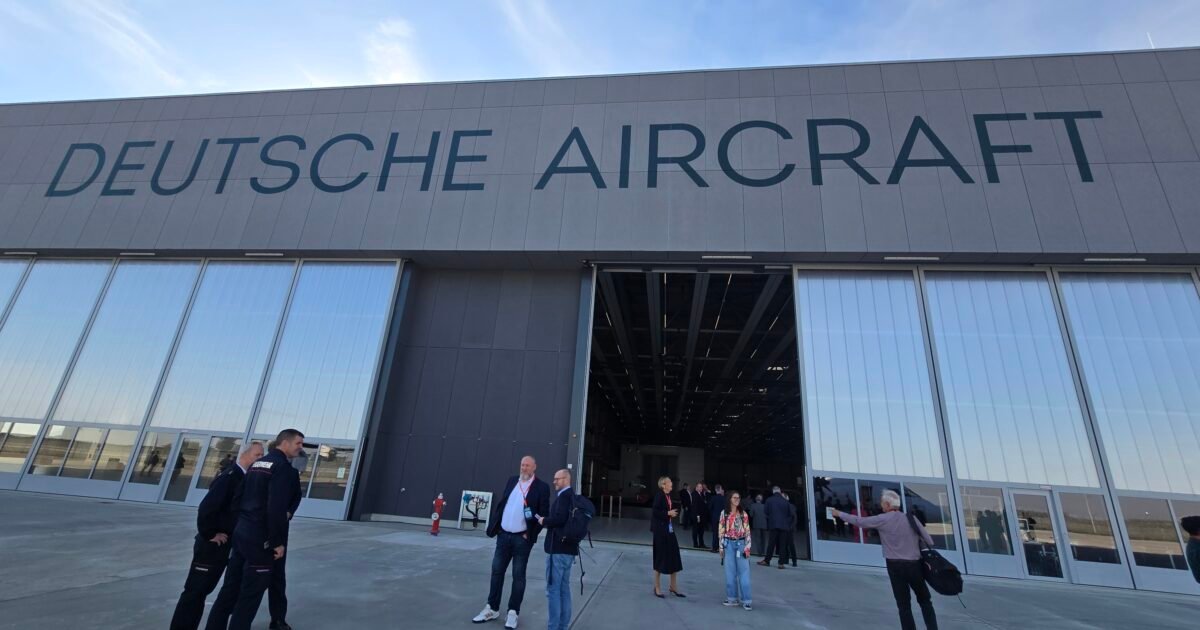
LEIPZIG, Germany — In a move that signals a dramatic rebirth for German aerospace manufacturing, Deutsche Aircraft has officially inaugurated its new production facility in Leipzig. This milestone marks the formal establishment of a manufacturing footprint for the company’s 40-seat regional turboprop program, effectively reviving Saxony’s aviation assembly legacy more than 60 years after the iconic Baade 152 project concluded in Dresden.
## A Marathon for European Industrial Sovereignty
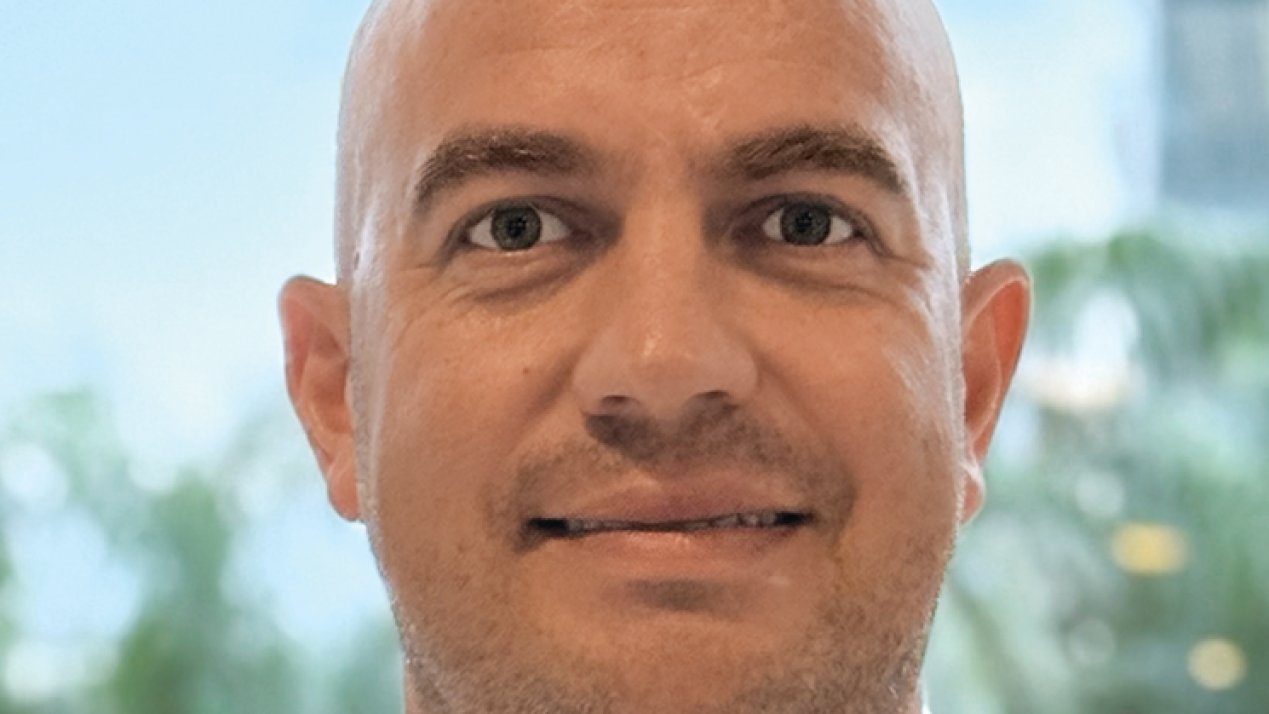
During the facility’s opening ceremony, Deutsche Aircraft Managing Director Nico Neumann contextualized the industrial ramp-up not as a rapid sprint, but as a “marathon.” He emphasized that the development of a clean-sheet derivative is a complex, long-term commitment critical to maintaining European industrial autonomy.
“Twenty-five years ago, the last aircraft was developed, built, and supported in Germany. What we are seeing here is a piece of German aviation history,” Neumann told industry stakeholders and government officials. He noted that the project is not merely an engineering endeavor but a strategic necessity to ensure Germany remains a global player in high-technology manufacturing.
## Mastering Operating Economics and Supply Chain Resilience
Deutsche Aircraft is acutely aware that the regional turboprop market is unforgiving, with commercial success dictated entirely by operating cost discipline. Neumann framed the aircraft as essentially a high-efficiency “bus” that must reliably generate revenue for operators. To achieve this, the company is prioritizing high dispatch reliability and reduced maintenance intervals to keep seat-mile costs competitive.
On the eve of the inauguration, the company hosted a summit in Leipzig for roughly 100 aerospace suppliers. The meeting was designed to synchronize delivery schedules and strengthen inventory resilience—a response to the global trend of supply chain volatility. By fostering transparent communication across its tier-one partners, Deutsche Aircraft aims to de-risk the program’s eventual entry into commercial service, ensuring that production rates remain steady despite potential external shocks.
## Strategic Pivot Toward Government and Special Missions
While the regional airline market remains a core focus, Deutsche Aircraft is aggressively targeting government and special mission contracts to secure a broader operational base. The company is leaning on the proven track record of its predecessor, the Dornier 328, which currently maintains a strong presence in multi-mission configurations worldwide. Notably, 30% of the active legacy fleet is utilized by organizations like the European Border and Coast Guard Agency (Frontex) and the United States Air Force for special operations.
Neumann used this momentum to issue a direct challenge to Berlin. He urged German federal defense and procurement authorities to prioritize the domestic D328 platform over foreign, off-the-shelf alternatives. “Resilience and sovereignty cannot simply be bought off the shelf when needed,” he argued, suggesting that Germany must invest in its own industrial capacity to ensure long-term security.
## The Push for a “Just Do It” Industrial Policy
The facility’s opening was supported by the Free State of Saxony and Minister-President Michael Kretschmer, whom Neumann credited for administrative efficiency. However, he cautioned that for the German aerospace sector to thrive, it must pivot away from competing on baseline labor costs and instead focus on high-technology systems supported by an agile regulatory framework.
Highlighting the success of the D328 Uplift testbed—a collaboration with the German Aerospace Center (DLR)—Neumann called for a shift in national mindset. He advocated for a “just do it” posture from the federal government, arguing that by eliminating bureaucratic delays, Germany can protect its technological edge. As the company moves toward full-scale production, the Leipzig site stands as a test case for whether a traditional European manufacturing powerhouse can successfully modernize its approach to compete in a hyper-globalized, high-tech landscape.
Disclaimer: This content is auto-generated for informational purposes only.
Source: Read Original News