







The Kifissos River, a waterway that serves as a critical drainage artery for the Athens basin, has once again become the epicenter of an environmental crisis. Authorities reported on Tuesday that they have uncovered another case of industrial contamination, marking the second such incident in less than a week. This latest breach has reignited urgent debates regarding the efficacy of environmental oversight in the Greater Athens area.
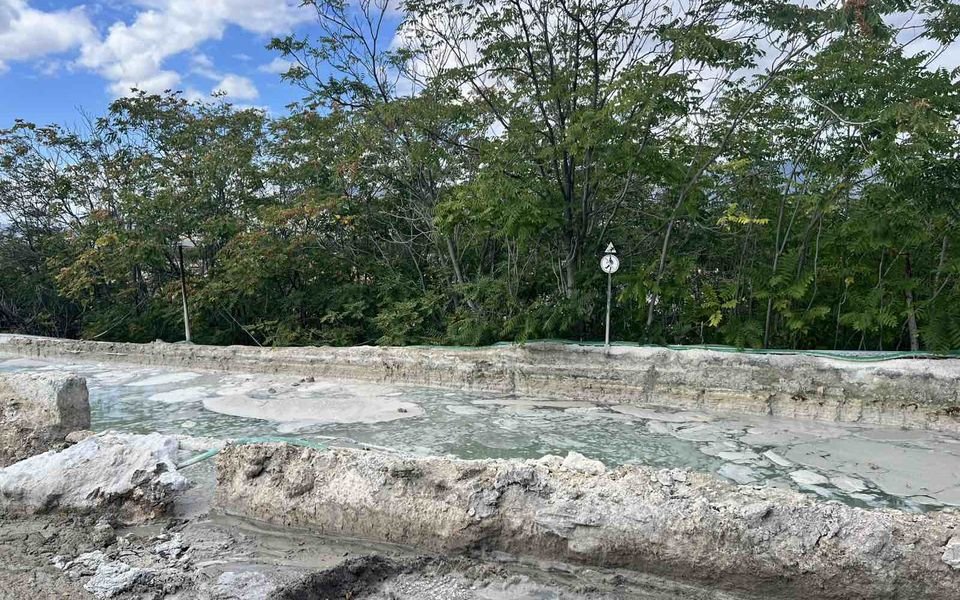
The discovery was made on Monday following a targeted inspection at a concrete plant located in the Metamorfossi district, north of the city center. According to an official statement released by the Hellenic Police, officers identified a significant leak originating from a precipitation tank within the facility’s liquid waste treatment system. Evidence gathered at the scene showed that hazardous industrial effluent was flowing steadily into a nearby stream, which serves as a direct tributary to the Kifissos River.
Police described the incident as a direct threat to public health and the local ecosystem. As a result of the investigation, a 55-year-old official employed by the concrete plant—who held responsibility for environmental compliance—was arrested and placed in custody.
This intervention follows a separate, high-profile case uncovered just last week in Egaleo, western Athens. In that instance, police arrested two individuals associated with a tanker company that had been illicitly disposing of industrial waste directly into the Kifissos via the drainage infrastructure of a local petrol station. Investigations revealed that the company had been operating as a disposal service for various industrial facilities and hospitals throughout the Attica region, allegedly using the riverbed as a convenient, clandestine dumping ground.
The frequency of these incidents highlights the deteriorating state of the Kifissos, which has long struggled with the legacy of unchecked urbanization and industrialization. Scientific monitoring of the river’s water quality paints a grim picture; experts report that the waterway has experienced a sharp, consistent decline over the past five years. Despite being one of the most vital hydrological features of the capital, the river is currently under intense pressure from a cocktail of pollutants, including raw sewage, agricultural livestock runoff, and, increasingly, concentrated industrial chemical waste.
Environmental advocates and urban planners have long pointed to the Kifissos as a neglected asset. Once a flowing feature of the Attic landscape, large sections of the river were covered over in decades past to accommodate the sprawling highway infrastructure of the modern city. This concealment, critics argue, has fostered a “hidden, forgotten” mentality that allows illicit industrial practices to persist largely out of the public eye.
The recent police activity suggests a shift toward more rigorous enforcement of environmental regulations. However, the recurring nature of these violations raises difficult questions about whether the current regulatory framework is sufficient to deter companies from viewing illegal waste disposal as a cost-saving shortcut. With the waterway already burdened by historic levels of contamination, each new spill further degrades the river’s ability to sustain any form of aquatic life and increases the risk of toxic material reaching the Saronic Gulf.
As the legal proceedings against the arrested officials move forward, the authorities are under increasing pressure to sustain these inspections. The two incidents within a seven-day window have served as a stark reminder that until systemic oversight of industrial waste management is overhauled, the Kifissos River remains a fragile line of defense against the environmental cost of the city’s industrial growth.
Disclaimer: This content is auto-generated for informational purposes only.
Source: Read Original News