








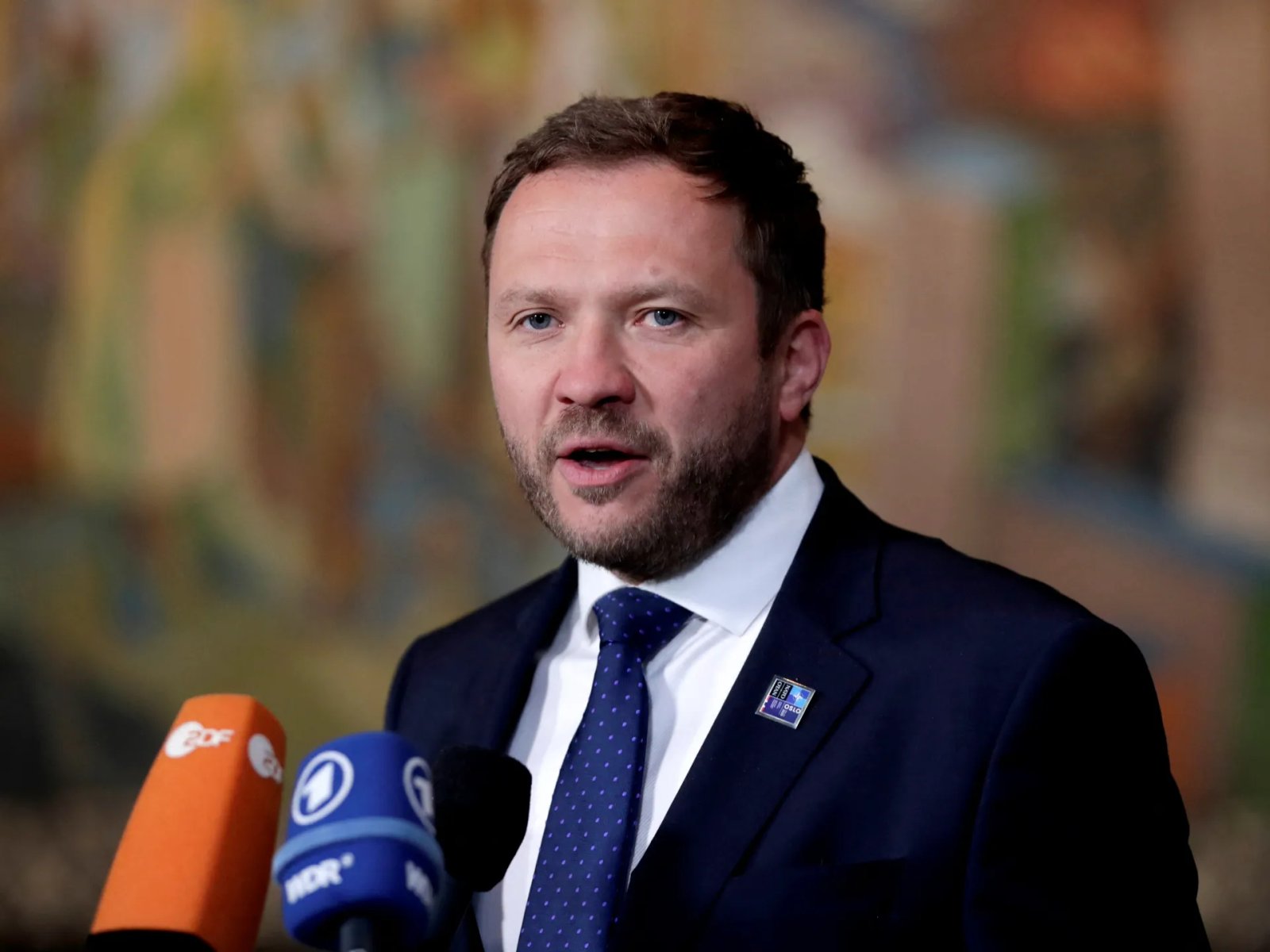
TALLINN — The Estonian government has officially pointed the finger at the Russian Federation for an August arson attack targeting Milrem Robotics, a prominent defense firm known for developing cutting-edge unmanned ground vehicles (UGVs) currently deployed in Ukraine. The accusation marks a significant escalation in diplomatic tensions along NATO’s eastern flank, with Tallinn labeling the incident a deliberate act of state-sponsored sabotage.
Estonian Foreign Minister Margus Tsahkna confirmed that investigations into the blaze concluded with the identification of perpetrators linked to Russian special services. While the suspects have been apprehended, the incident has prompted a swift diplomatic response, including the formal summoning of the Russian ambassador to Tallinn.
“We can conclude with certainty that the arson attack was an act of sabotage ordered by the Russian Federation,” Tsahkna stated, describing the event as a calculated effort to intimidate Western allies and disrupt the supply chain for critical military technology.
## The Intersection of Geopolitics and Defense Technology
The targeting of Milrem Robotics highlights the growing importance of robotics and artificial intelligence in modern conflict. As a leader in the development of autonomous ground systems, the company provides essential support to Ukrainian forces, offering solutions that remove human soldiers from high-risk environments.
Industry analysts observe that as military hardware becomes increasingly reliant on sophisticated AI-driven software and modular robotics, tech firms have effectively become frontline targets in a broader “hybrid war.” Security experts suggest that Russia’s interest in these facilities is not merely about physical destruction, but also about probing the operational security of companies that are integrating advanced data processing and autonomous navigation systems into defense architecture. The attack underscores the precarious position of European tech firms that are rapidly scaling production to meet the demands of a high-tech battlefield.
## Kremlin Denials and NATO’s Response
The Kremlin has dismissed the accusations, with spokesperson Dmitry Peskov characterizing the claims as “baseless” and lacking in evidence. Moscow’s refusal to acknowledge the findings has done little to soothe regional anxieties, as NATO member states increasingly view such acts of sabotage as part of a synchronized campaign to weaken the Western alliance from within.
NATO Secretary-General Mark Rutte issued a stern warning following the disclosure, emphasizing that Moscow’s “reckless campaign” of hostile activities across Europe is designed to undermine the unity of the alliance. However, Rutte maintained that such tactics are ultimately ineffective. “Russia is failing on the battlefield in Ukraine, and it is failing to undermine our unity,” he said, signaling that the incident will likely lead to increased security cooperation and intelligence sharing among Baltic and Nordic nations.
## A Growing Pattern of Hostility
The arson attack is the latest in a series of incidents that have led European intelligence agencies to increase their vigilance regarding critical infrastructure and the defense industrial base. The international reaction has been swift, with leaders from France, Lithuania, Latvia, and Sweden expressing full solidarity with Estonia.
French President Emmanuel Macron described the incident as a “dangerous headlong rush” by Russia, while Lithuanian and Latvian officials noted that Moscow’s aggressive behavior is no longer confined to Ukrainian territory. Swedish Prime Minister Ulf Kristersson echoed these sentiments, labeling the event “extremely serious” and warning that the ongoing pattern of disruption is directed against European stability at large.
As Estonia and its allies assess the implications, the attack serves as a stark reminder that the modern battlefield is no longer limited to physical borders. For tech companies operating in the defense sector, the challenge ahead involves fortifying not only their production lines but also their digital and operational infrastructure against a sophisticated, state-sponsored adversary determined to disrupt the global support network for Ukraine.
Disclaimer: This content is auto-generated for informational purposes only.
Source: Read Original News