







Standard Chartered Predicts Double Rate Hikes as Inflation Pressures Mount
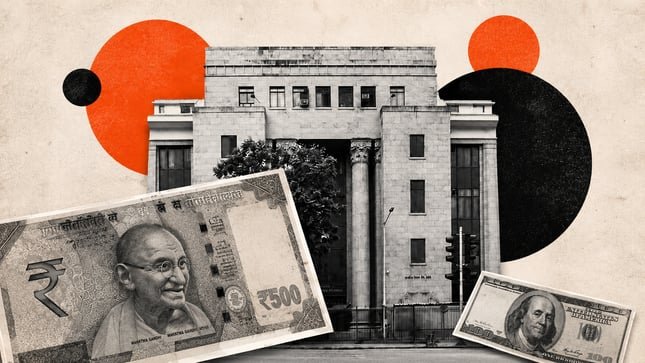
The Indian economy is bracing for a shift in monetary policy as global financial heavyweights project a more aggressive stance from the Reserve Bank of India (RBI). According to the latest report from Standard Chartered Global Research, the Monetary Policy Committee (MPC) is expected to implement two consecutive 25-basis-point (bps) hikes before the end of the calendar year, pushing the repo rate to 5.50%.
Anticipating a Hawkish Shift
The research note suggests that the central bank’s upcoming October meeting will serve as a catalyst for a tightening cycle. Analysts at the firm believe that the combination of persistent domestic price pressures and a surprisingly resilient macroeconomic environment leaves the MPC with little choice but to pivot toward higher interest rates.
Standard Chartered posits that the first hike will occur in October, followed by a secondary adjustment in December. This trajectory signals a departure from the previously accommodative stance, reflecting a proactive approach to curbing the inflationary surge that has impacted both wholesale and retail sectors across the nation.
The Drivers: Growth and Inflation
The primary impetus for this forecasted policy shift stems from the interplay between buoyant GDP growth and stubborn inflation. India has demonstrated a robust recovery trajectory post-pandemic, with strong consumption and investment numbers painting a picture of an economy that can withstand higher borrowing costs without stalling.
However, this growth narrative is complicated by rising commodity prices and supply chain bottlenecks that continue to stoke inflationary fires. The authors of the report point to recent MPC minutes, which revealed a growing consensus among committee members that the window to anchor inflation expectations is narrowing. By acting now, the central bank aims to ensure that consumer price index (CPI) figures do not drift beyond the upper tolerance threshold set by the RBI’s mandate.
Reading the MPC Minutes
Market watchers have noted that the tone within the MPC has become increasingly “hawkish.” In their most recent deliberations, committee members moved away from the emergency-era rhetoric that prioritized growth at all costs. Instead, the focus has shifted toward the “normalization” of liquidity and the withdrawal of excessive monetary support that was initially deployed to stimulate the economy during the lockdowns.
Standard Chartered’s analysis highlights that the RBI is now prioritizing price stability as a prerequisite for sustained, long-term growth. The expectation of a 5.50% repo rate by December is seen as a necessary recalibration to keep the Indian rupee competitive and to protect the domestic purchasing power of citizens amidst a global environment of rising interest rates.
Implications for the Indian Economy
If these projections materialize, the impact will be felt across the financial spectrum. For retail borrowers, this means a likely uptick in the cost of home, auto, and personal loans, as commercial banks typically pass on repo rate hikes to customers through their marginal cost of funds-based lending rates (MCLR).
Conversely, for fixed-income investors and savers, the environment may become more favorable as interest rates on deposits begin to climb from their historical lows. As the RBI prepares for its next policy review, all eyes remain on the MPC to see if they will follow the roadmap laid out by global analysts or choose a more tempered pace of policy tightening to balance the delicate recovery of the nation’s informal sector.
Disclaimer: This content is auto-generated for informational purposes only.
Source: Read Original News