







Beyond the Textbook: Why Storytelling and Scaffolding Redefine Classroom Success
For many students, history class is synonymous with a grueling exercise in memorization—dates, treaties, and names of leaders are often forgotten as soon as the final bell rings. However, a recent experiment in a history classroom suggests that transforming the curriculum into a lived experience can fundamentally change how students engage with complex topics.
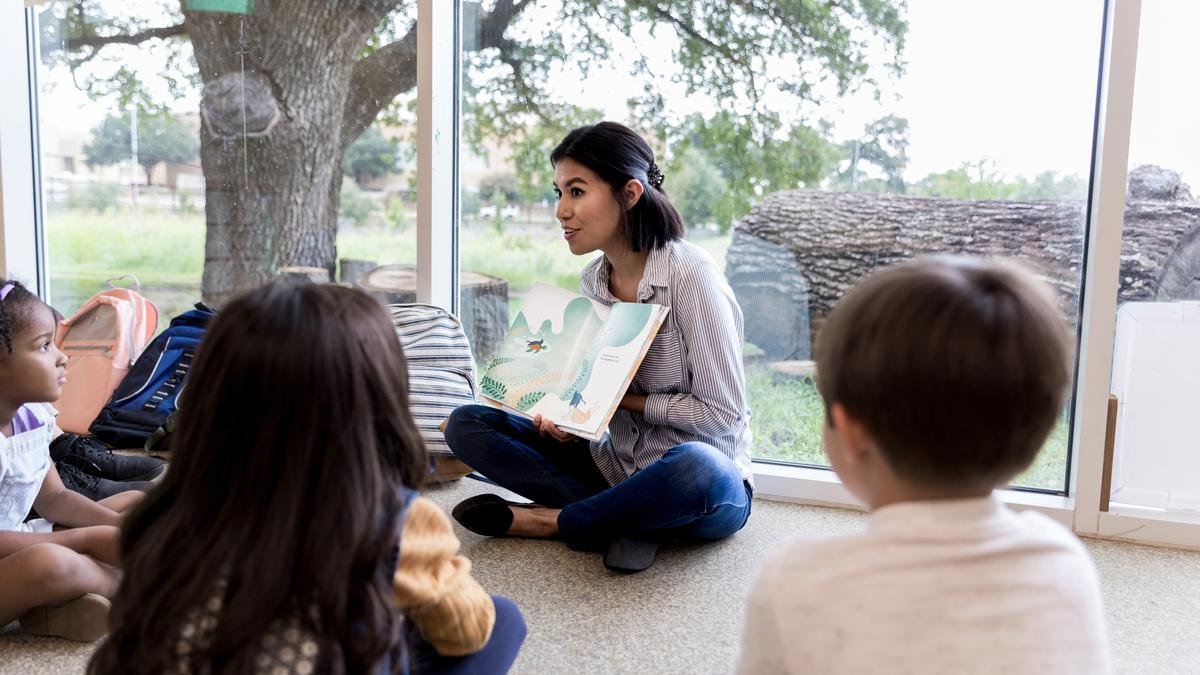
When a teacher divided her class into groups representing the Axis and Allied powers and international bodies, she moved beyond traditional lectures. By stepping into the shoes of historical figures like Winston Churchill or Joseph Stalin, students did more than learn facts; they debated the moral consequences of the Second World War. This technique, known as “scaffolding,” transforms the student from a passive recipient of information into an active character within the narrative, fostering a deeper, more permanent understanding of the material.
The Science of Neural Synchrony
This classroom dynamic is supported by a 2026 study published in Nature, titled “Enhanced word learning and neural synchrony during children’s storytelling.” Researchers utilized functional near-infrared spectroscopy (fNIRS) to track brain activity, discovering that when students are actively involved in a narrative, their brain wave patterns align with those of their teacher—a phenomenon known as “neural synchrony.”
The study revealed that in scaffolding scenarios, this synchrony occurs primarily in the child’s left prefrontal cortex, the area of the brain responsible for decision-making, attention, and memory retention. In contrast, passive listening—where the student is merely an audience member—activates the premotor cortex, which is associated with perceiving others’ actions but lacks the same level of cognitive engagement required for deep learning.
Arpan Banerjee, a scientist at the National Brain Research Centre, notes that this neural alignment is a strong indicator of comprehension. “Children learn better when there is active engagement from the teacher,” Dr. Banerjee explains. “It tunes several networks beyond language comprehension, including emotion, saliency, and flexible decision-making.”
The Limitations of Remote Learning
As educational policy increasingly grapples with the role of technology, the study offers a cautionary note regarding remote instruction. Findings indicate that the “scaffolding effect”—and the resulting neural synchrony—significantly diminishes in online settings. While digital classrooms became a necessity during the pandemic, the research underscores that face-to-face, instructor-led interaction is essential for the collaborative building of shared understanding.
Reframing Evaluation and Pedagogy
The study also challenges how institutions measure academic success. Interestingly, both passive storytelling and active scaffolding resulted in similar standard test scores, suggesting that traditional assessments may not capture the depth of a student’s true comprehension.
“The ideal way to test students would be via an active approach,” says Dr. Banerjee. “Give them real-life situations where they can project themselves and answer questions akin to solving puzzles.”
Furthermore, pedagogical research now emphasizes the role of the teacher-student relationship. Studies published in the Journal of Cognitive Neuroscience suggest that social closeness between an educator and a student is a stronger predictor of learning outcomes than neural synchrony alone. When students feel connected to their instructor, their ability to retain information increases, which has significant implications for how schools should structure course outlines and mentorship programs.
Future Directions for Inclusive Education
As schools look toward the future, the focus is shifting toward making these high-engagement strategies inclusive for all learners. Experts argue that the next phase of research must involve applying these scaffolding paradigms to neurodivergent students. By tailoring these techniques to work for everyone, educators can move away from isolating facts and toward a dynamic, inclusive model of learning that ensures every student has the chance to thrive beyond the limitations of the traditional textbook.
Disclaimer: This content is auto-generated for informational purposes only.
Source: Read Original News