






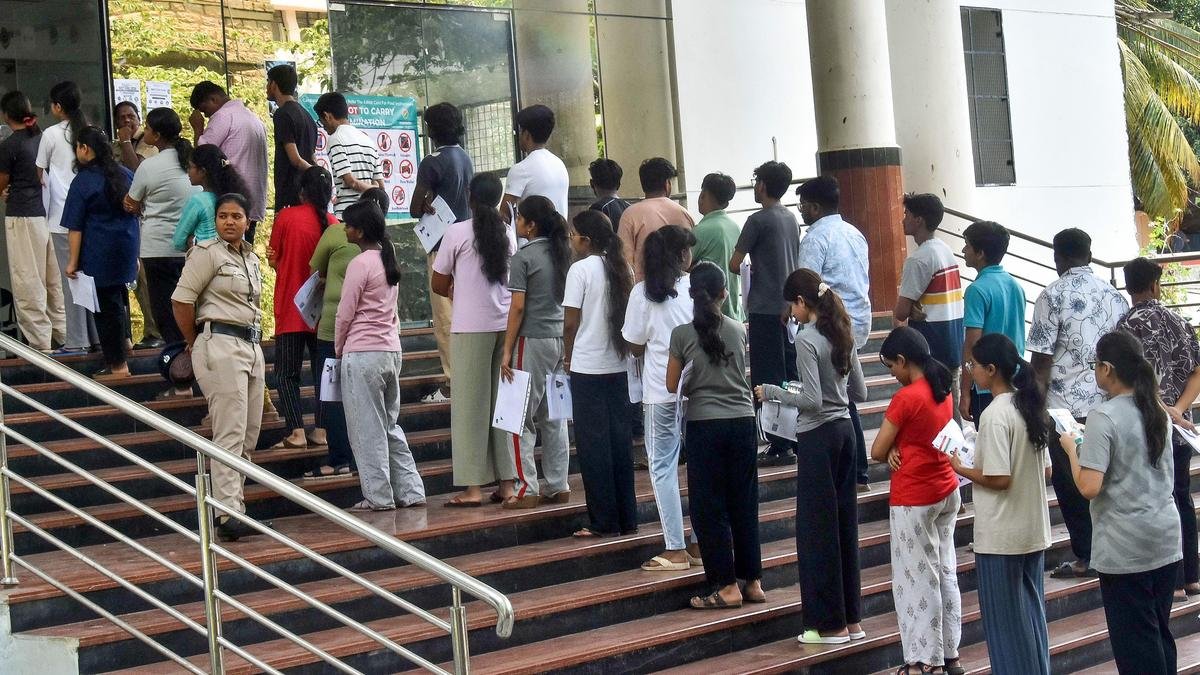
The landscape of post-graduate medical education in India reached a significant turning point in September 2026, as the Union government and the Supreme Court intervened to address the persistent issue of vacant super-speciality seats. By lowering the qualifying percentile for the 2025 National Eligibility-cum-Entrance Test-Super Speciality (NEET-SS) from 50% to 30%, policymakers aim to ensure that advanced clinical training resources do not remain underutilized.
Understanding NEET-SS and its Academic Structure
NEET-SS serves as the singular gateway for doctors aspiring to pursue Doctorate of Medicine (DM), Master of Chirurgiae (MCh), or Doctorate of National Board (DrNB) qualifications. Administered by the National Board of Examinations in Medical Sciences (NBEMS), the exam manages a competitive pool of approximately 15,000 applicants vying for roughly 7,000 seats nationwide.
Unlike many standardized entrance exams, NEET-SS is not a monolithic test. It is categorized into 15 distinct groups—including general medicine, paediatrics, orthopaedics, and oncology—each requiring a separate question paper. Because the curricula and professional demands of these fields vary, the qualifying cut-offs are customized for each paper, creating a complex, multi-layered selection process.
The Persistent Challenge of Vacancies
Despite the high stakes of medical specialisation, the phenomenon of vacant seats has troubled the academic system for years. In 2023, over 1,000 seats went unfilled, leading the Supreme Court to label the situation a “wastage of resources.”
The reasons for these vacancies are multifaceted. Market dynamics significantly influence student choices; doctors often prioritize super-specialisations that offer higher private-sector earning potential or better career longevity. Subjects like cardiovascular and thoracic surgery, for instance, have seen waning interest as medical practices shift toward non-invasive, drug-based, and radioactive interventions. Furthermore, the prohibitive cost of private medical education, combined with the extreme rigour of these courses, discourages many qualified candidates from accepting seats in institutions they deem less than ideal.
Policy Shifts and the Tamil Nadu Case
The recent judicial intervention was spurred by a petition from the Tamil Nadu Medical Officers Association. The state had reserved 50% of its super-speciality seats for in-service government doctors—a policy upheld by the Supreme Court in 2022. However, in the 2025 cycle, a mismatch occurred: despite having 111 candidates on a waiting list, 152 seats reserved for in-service doctors were prematurely diverted to the All India Quota.
The Supreme Court’s decision to mandate the reduction of the qualifying percentile to 30% acts as a corrective measure to salvage these seats. By returning 40 of these vacant seats back to Tamil Nadu, the court acknowledged the specific needs of doctors who balance public service with academic advancement, thereby facilitating better access for candidates in rural and underserved areas.
Looking Beyond the Cut-Off
While lowering the bar for entry provides a short-term solution to seat wastage, experts suggest it may not be a comprehensive remedy. Dr. Ravindranath of the Doctors’ Association for Social Equality notes that the problem is rooted in systemic infrastructure deficits.
“Reducing the cut-off might address the vacancies to an extent, but it cannot fix the fundamental issues,” he explains. Currently, many states—particularly in the Northeast and regions like Bihar and Uttar Pradesh—face a scarcity of government-run super-speciality seats. Furthermore, the lack of new, dedicated departments in government hospitals means that even after completing rigorous training, graduates often find limited institutional growth or promotion opportunities.
For the NEET-SS system to truly evolve, academic experts argue that the policy focus must shift from simply filling seats to improving the overall ecosystem. This includes addressing the heavy workloads and low stipends during training, as well as increasing the government’s investment in hospital infrastructure to ensure there are viable, long-term career paths for the next generation of super-specialists.
Disclaimer: This content is auto-generated for informational purposes only.
Source: Read Original News