








The Next Evolution of Amazon’s Entry-Level E-Reader
Amazon has long established a consistent hardware release cadence, typically refreshing its Kindle lineup in the months preceding the holiday shopping season. As the market for digital reading devices matures, the focus has shifted from radical hardware overhauls to incremental, user-focused refinements. Recent leaks surfacing from industry reports suggest that the forthcoming update to the entry-level Kindle will prioritize ergonomic adjustments and aesthetic diversification, moving beyond the modest performance bumps introduced in previous iterations.
While the most recent version of the basic Kindle focused on internal hardware, such as a brighter backlight and faster page-turning algorithms, the upcoming model appears poised to address feedback regarding physical form factor and usability. By iterating on the basic design language of the device, Amazon intends to bridge the gap between its budget-conscious readers and the premium features often reserved for the Paperwhite or Oasis series.
Ergonomic Redesign and Hardware Placement
Perhaps the most significant functional change identified in the leaked documentation is the relocation of the power button. In previous entry-level models, the power button was situated on the bottom edge of the device. Users frequently reported instances of accidental sleep cycles occurring when the e-reader was rested on a table or held in specific positions. By shifting the power button to the top right edge, Amazon is clearly responding to consumer usability testing. This placement is consistent with the standard design logic found in modern smartphones and tablets, where accidental inputs are minimized through strategic button placement.
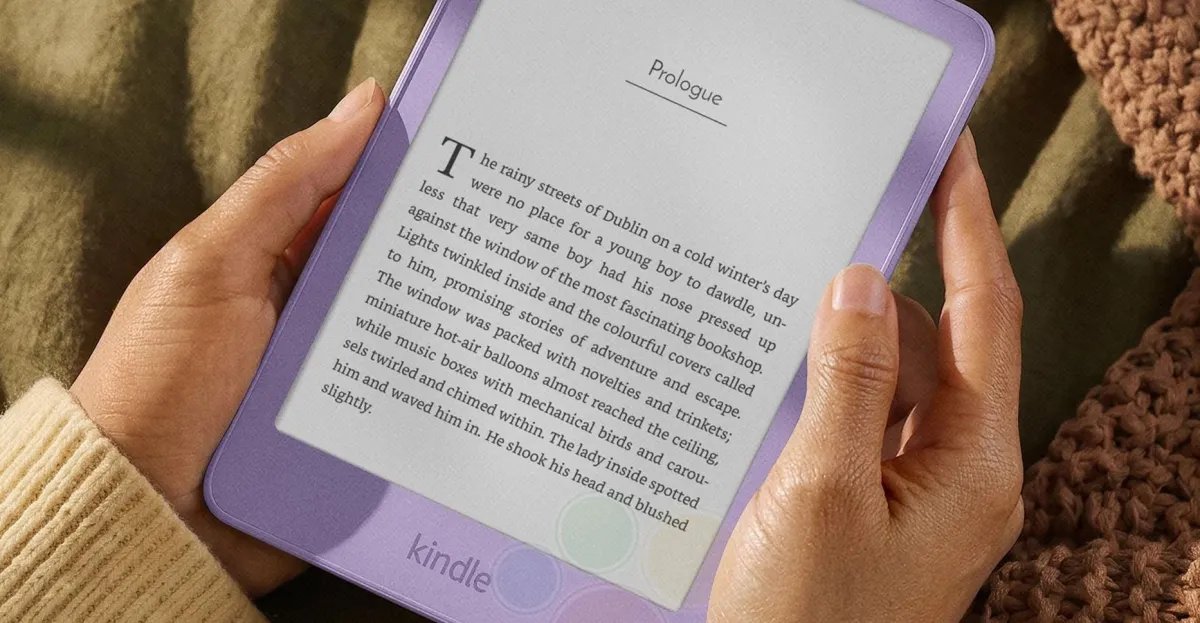
Beyond the power button, the physical architecture of the device shows a shift toward more rounded corners. This design choice implies a shift toward a more comfortable grip, particularly for extended reading sessions. Rounded corners allow for better distribution of pressure in the palm, potentially reducing fatigue during one-handed use. Furthermore, speculation regarding the display panel suggests that the device may feature a slightly recessed E Ink screen. A recessed screen is traditionally more durable and provides a clearer contrast against the bezel, potentially offering a more paper-like reading experience compared to flush-glass displays.
Diversification of Aesthetic Choices
While hardware performance remains the primary driver for e-reader adoption, aesthetic customization has become a significant factor in consumer purchasing decisions. The current entry-level Kindle, which debuted with limited color schemes including basic black and a specific shade of green, is expected to receive a broader palette. Leaked imagery indicates the inclusion of several distinct hues, including muted tones such as light blue, green, and mauve.
This shift indicates that Amazon recognizes the Kindle as a personal lifestyle accessory rather than a purely utility-driven device. By offering a wider variety of colors, Amazon is positioning the entry-level Kindle to appeal to a more diverse demographic, moving away from the industrial, utilitarian aesthetics that characterized early electronic reading devices. For the consumer, this allows for a degree of personalization that has previously been restricted to the use of third-party covers or skins.
Display Technology and Potential Variants
The leak provides early, albeit limited, insight into potential display hardware. While the exact specifications regarding resolution and refresh rates remain undisclosed, the visual evidence of a recessed panel has led industry analysts to hypothesize that Amazon may be segmenting the entry-level model into different tiers. In the past, internal display differences, such as the number of LEDs used for front-lighting or the inclusion of warm-light adjustments, were reserved for higher-end models.
If Amazon chooses to introduce multiple versions of the entry-level device, it could signal a strategy to capitalize on different user segments. For example, a base model might focus on maximum value, while a higher-spec variant could incorporate more advanced E Ink technology or extended color temperature control. This would allow the company to maintain a competitive entry point while offering a pathway for users to pay for premium visual features without needing to jump to the much more expensive Paperwhite line.
Market Impact and Cost Considerations
The impending release of this model arrives at a complex time for the consumer electronics market. Recently, Amazon adjusted the pricing of its entry-level Kindle upward, shifting it from $109.99 to $149.99. The company attributed this price adjustment to the rising costs of memory and storage components. Because this pricing shift has already occurred, the expectation for the new model is that it must justify this higher cost through tangible improvements in hardware quality, battery efficiency, and software responsiveness.
The impact of this update will likely be felt most strongly by consumers who have been holding onto older Kindle models from three or more years ago. As e-book files grow in size and the demand for faster navigation increases, the hardware improvements inherent in a new model—regardless of how minor they appear—provide a necessary boost to the overall reading experience. If the new Kindle successfully integrates a faster processor or more efficient power management alongside its new ergonomic design, it will cement its position as the standard-bearer for dedicated e-readers in a world dominated by multipurpose tablets.
As we approach the official announcement, the focus remains on whether these hardware refinements can maintain the Kindle’s dominant market share. By balancing aesthetic updates with common-sense design fixes, Amazon is doubling down on the simplicity that made the e-reader category successful in the first place, ensuring that the act of reading remains the primary priority.
Disclaimer: This content is auto-generated for informational purposes only.
Source: Read Original News