









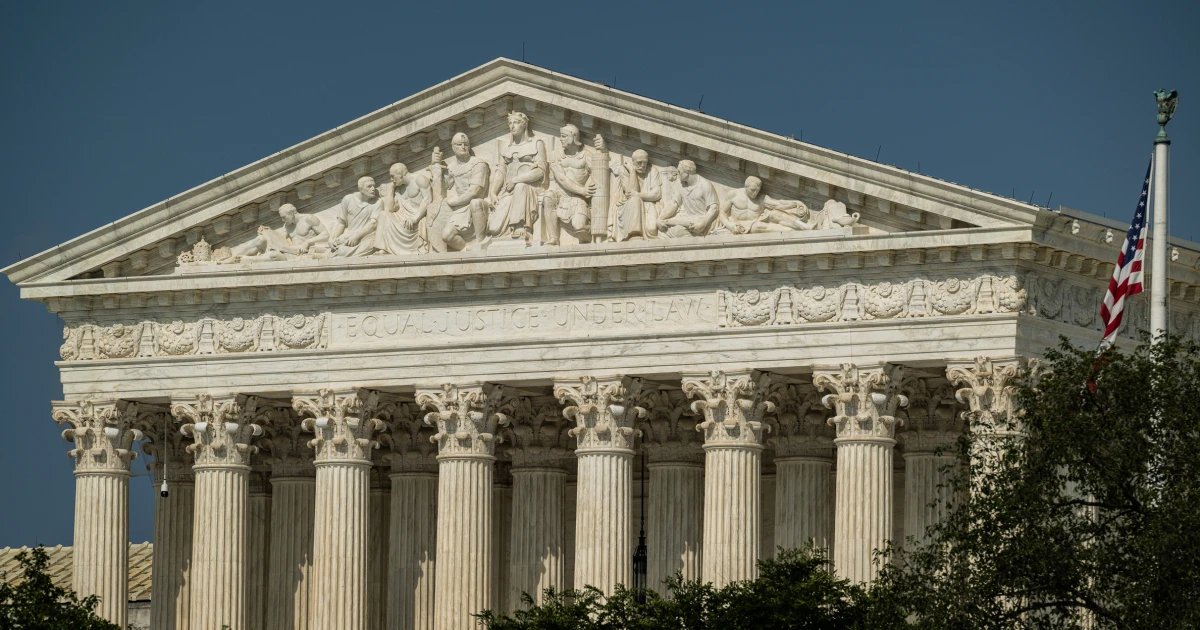
WASHINGTON — The Supreme Court on Tuesday intervened for the second time to clear the path for the Trump administration’s controversial policy of deporting certain immigrants to “third countries” with which they have no prior connection.
In an unsigned emergency order, the justices blocked a lower court ruling that had threatened to halt the removals. The appeals court had previously found that the administration’s current process is unlawful because it fails to provide migrants a sufficient opportunity to voice concerns regarding safety risks, a requirement under federal immigration law.
The court’s three liberal justices dissented from the decision. While granting the administration’s request to stay the lower court’s order, the Supreme Court signaled that the matter is far from settled; it announced that it will hear oral arguments in December to reach a definitive ruling on the legal challenges surrounding the policy.
Since President Trump’s second term began in January 2025, the administration has utilized agreements with several nations to relocate thousands of migrants. According to data from the Migration Policy Institute, approximately 15,000 people were deported to third countries in 2025 alone, with the majority sent to Mexico. Other destinations include Rwanda, Eswatini, and South Sudan.
The legal battle began when four unnamed immigrants challenged the practice, arguing that current policy denies individuals a “meaningful opportunity” to demonstrate that they face a credible threat of torture or persecution if sent to these unfamiliar nations. U.S. District Judge Brian Murphy initially sided with the plaintiffs, and the Boston-based 1st U.S. Circuit Court of Appeals subsequently upheld that view, citing federal protections against returning individuals to places where they would likely face harm.
The appeals court’s ruling briefly took effect on September 23, prompting an immediate scramble by the Trump administration to seek relief from the Supreme Court. In a filing, Solicitor General D. John Sauer warned that the judicial hold had caused “substantial logistical problems” for ongoing removal operations, resulting in increased government expenses and potential diplomatic friction. Sauer noted that the delay had already led to the cancellation of at least one flight carrying 70 individuals with criminal convictions.
The administration maintains that individualized screenings are unnecessary, asserting that the partner nations involved have provided diplomatic assurances that they will not mistreat relocated individuals.
Attorneys for the plaintiffs, however, argue that the government’s approach ignores the reality of the conditions faced by those deported. They point to the case of the lead plaintiff, identified as D.V.D., a Cuban national suffering from severe mental illness who fears that relocation would leave him without essential psychiatric care. Plaintiffs’ filings also allege that some individuals already deported to third countries have been subjected to indefinite detention and physical or sexual abuse.
Legal advocates for the migrants stressed that the lower court rulings did not mandate the release of detainees, but rather sought to ensure a procedural right to object to removals. The Supreme Court’s December hearing will now determine whether that procedural safeguard is legally required.
Disclaimer: This content is auto-generated for informational purposes only.
Source: Read Original News