








Digital Boundaries: India Mulls Age-Based Restrictions for Social Media Platforms
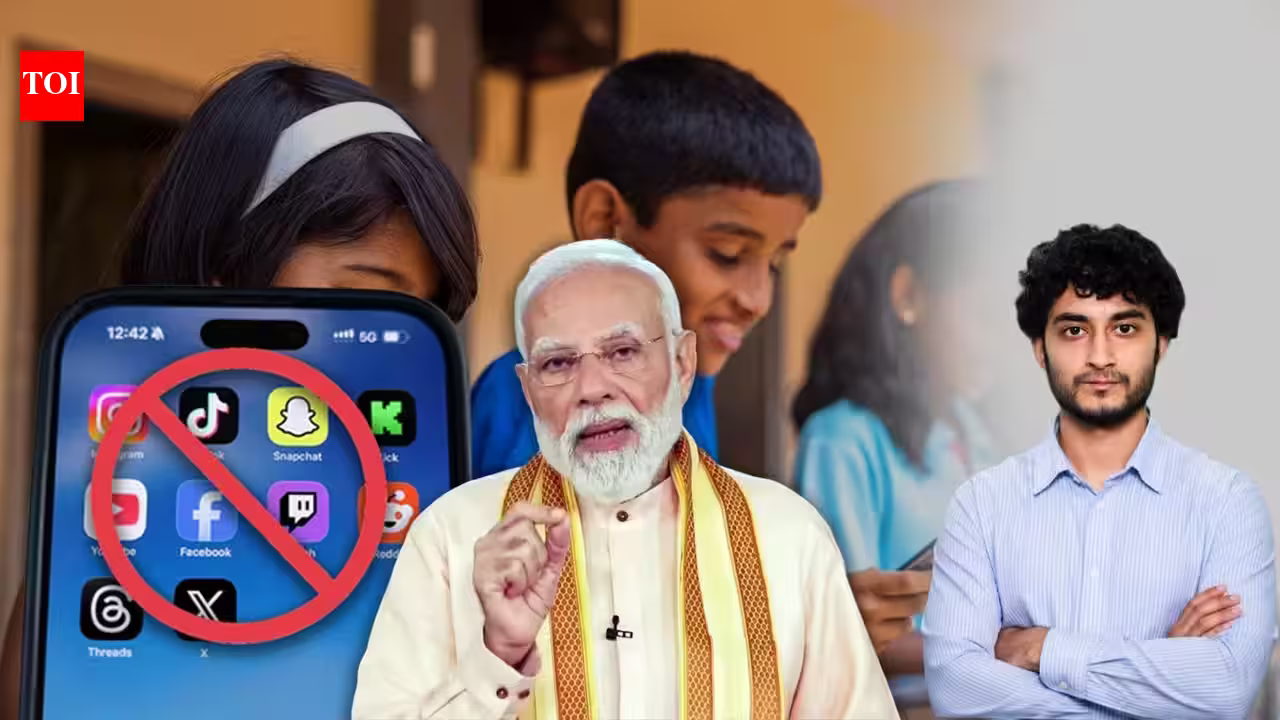
In a significant policy shift aimed at safeguarding the digital well-being of the youth, the Indian government has informed the Supreme Court of its intent to amend Information Technology (IT) intermediary rules. The proposed legislative framework seeks to restrict social media access for individuals under the age of 18, reflecting a growing global consensus that existing safeguards are insufficient to protect teenagers from the perils of the digital landscape.
The government’s submission before the apex court highlights a proactive stance against the mounting challenges associated with excessive social media consumption. As digital platforms become increasingly integrated into the daily lives of adolescents, concerns regarding exposure to predatory behavior, cyberbullying, and harmful, addictive content have reached a fever pitch. By tightening regulatory oversight, the Centre aims to curate a safer virtual environment that prioritizes the mental health and safety of younger demographics.
A Global Trend Toward Regulation
India is not alone in its endeavor to regulate youth interaction with tech giants. Across the globe, nations are grappling with the social consequences of the digital age, leading to a patchwork of emerging policies. Australia has taken a hardline approach by proposing strict age-based bans, while nations like Indonesia, Malaysia, and Gabon have implemented varying degrees of restrictive frameworks. In South America, Brazil has opted for a focus on parental controls, shifting the responsibility of digital gatekeeping onto guardians rather than imposing blanket state-mandated bans.
The common denominator among these international efforts is a growing recognition that Big Tech’s current business models often prioritize user engagement over the developmental needs of children. However, as India contemplates its own strategy, policymakers are faced with the harsh reality that drafting a policy is significantly easier than enforcing one.
The Hurdle of Implementation and Privacy
While the intent behind the proposed restrictions is clear, the technical execution remains shrouded in uncertainty. To date, the Indian government has not detailed the mechanism it intends to employ for verifying the ages of its millions of social media users. This omission has sparked a fierce debate among tech policy experts, digital rights activists, and privacy advocates.
The primary obstacle lies in the paradox of age verification: to ensure a user is over 18, a platform must collect sensitive identity documentation—such as Aadhar data or government-issued IDs. This necessity creates a massive surface area for potential data breaches and raises fundamental concerns regarding user anonymity and digital privacy. Furthermore, critics argue that aggressive verification systems could alienate citizens who are wary of providing their biometric or personal data to profit-driven platforms.
Additionally, the prevalence of virtual private networks (VPNs) and the ease of creating false identities suggest that a technical ban may only offer a veneer of security. Adolescents, particularly those tech-savvy enough to navigate complex online environments, are likely to find workarounds, potentially pushing their digital activity toward unmonitored or “dark” corners of the web where protection is even less accessible.
As the Supreme Court weighs the government’s proposal, the discourse remains divided. While the impetus to protect the next generation from the corrosive effects of unfiltered social media is widely supported, the path forward must navigate the delicate balance between state-enforced safety and the fundamental right to digital privacy. Whether India can implement a robust, privacy-compliant system remains the central question as the nation prepares to reshape its digital infrastructure.
Disclaimer: This content is auto-generated for informational purposes only.
Source: Read Original News