








The Strategic Pivot of Synduality: Echo of Ada
Bandai Namco’s ambitious entry into the extraction-shooter landscape, Synduality: Echo of Ada, is undergoing a fundamental transformation. Originally conceived as a centerpiece for a vast, interconnected multimedia franchise, the title was designed to merge high-stakes online PvPvE (Player versus Player versus Environment) mechanics with a distinct, mecha-centric aesthetic. However, market reception proved more challenging than anticipated. Following a 2025 launch that struggled to maintain a significant concurrent player base on Steam, the publisher has announced a definitive roadmap that moves away from its original live-service model toward an offline, solo-experience format.
This decision marks a rare instance where a publisher chooses to preserve a game rather than simply shuttering it completely. By transitioning to an offline architecture, Bandai Namco intends to maintain the integrity of the game’s world, narrative, and core mechanical loop while removing the volatility of unpredictable online interactions. The transition is scheduled for completion in May 2027, providing a multi-year window for existing players to navigate the current ecosystem before the shift occurs.
Analyzing the Mechanics of Extraction and Risk
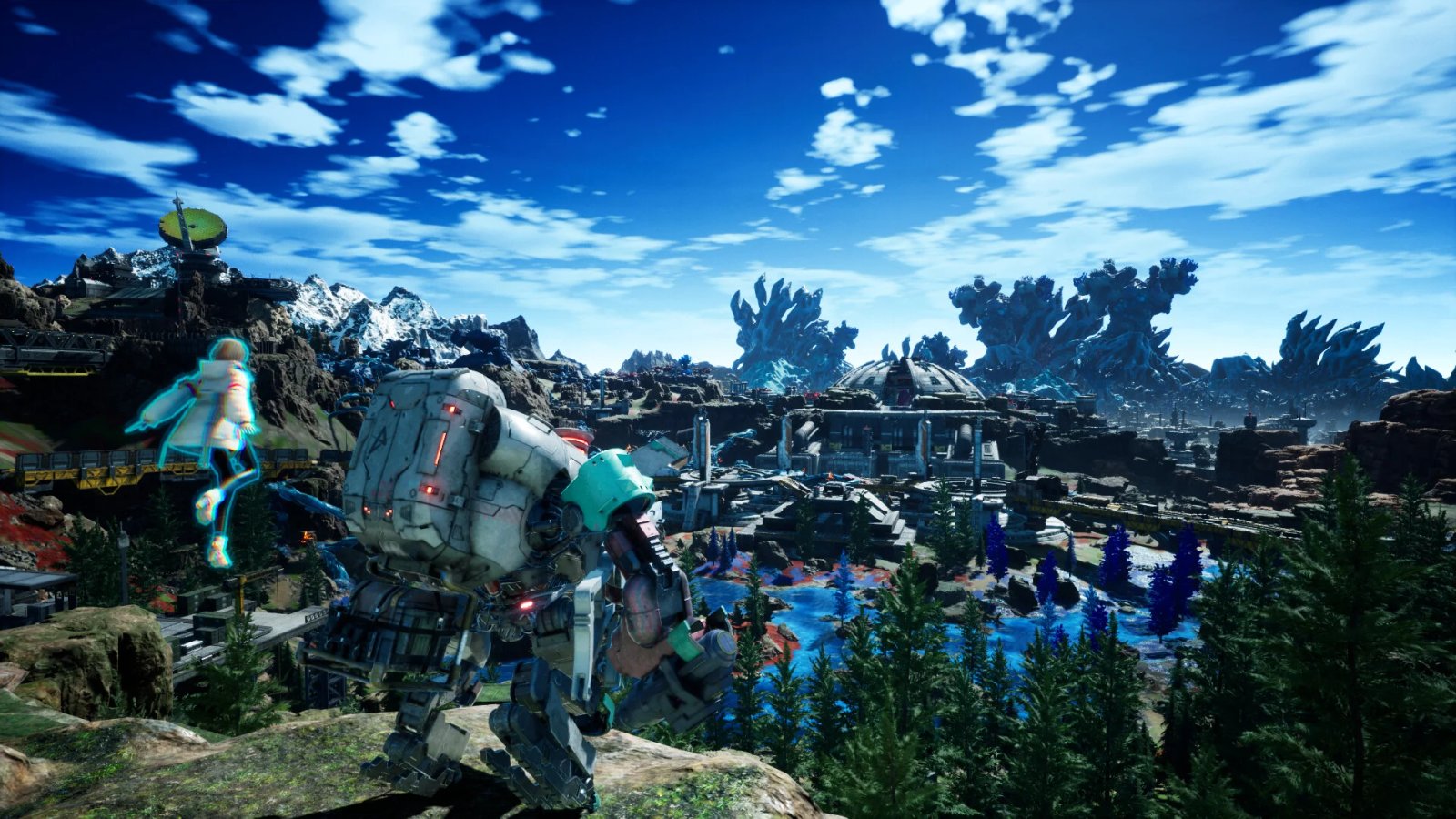
The core of Synduality: Echo of Ada revolves around a resource-collection cycle. Players pilot mechanical units known as Cradles, venturing into hostile environments to salvage valuable materials and artifacts. The tension in the game is derived from the high-stakes nature of these sorties: if a player is destroyed during a mission, they lose their gathered resources and their deployed hardware.
In the original online implementation, this risk was exacerbated by the presence of human players. These rival salvagers could ambush, outmaneuver, or trap unsuspecting players, leading to total inventory loss and significant temporal setbacks. The technical difficulty of recovery—having to grind for hours to replace lost equipment—created a punishing experience that, while rewarding to some, became a primary source of frustration for the general user base. By moving to an offline PvE environment, the game effectively removes the most volatile variable: the human element. This shift transforms the game from a high-stress competitive encounter into a strategic simulation of resource management and combat against fixed AI behaviors.
The Shift to Offline PvE Gameplay
The upcoming offline mode promises a more curated experience where players can interact with the narrative and exploration aspects of the game without the constant threat of player-initiated loss. For many in the community, this represents an improvement. Players have frequently cited the time required to regain lost resources as a major barrier to enjoyment. In the refined version of the game, the challenge will stem from the environment and scripted enemy encounters, which are inherently more predictable and fair than the unpredictable tactics employed by human adversaries.
This structural change impacts how players engage with the game’s progression. Without the pressure of PvP, the focus moves toward loadout optimization and environmental navigation. The AI-driven threats are balanced to provide a challenge consistent with the player’s equipment level, ensuring that the difficulty curve remains accessible rather than punishing. This approach shifts the design philosophy from one centered on emergent social conflict to one focused on the mastery of systemic mechanics.
Commercial Adjustments and Legacy Planning
In preparation for this transition, Bandai Namco has implemented specific commercial changes to the game’s economy. The monetization of digital currency within the title will cease on December 17, 2024. This date serves as a critical milestone in the transition, signaling the end of the game’s reliance on microtransactions to sustain its server infrastructure. This is a standard procedure for games pivoting away from live-service models, ensuring that the final build of the software functions as a static, complete package.
By neutralizing the microtransaction layer, the developers are signaling a move toward long-term stability. The game will no longer require continuous server maintenance or backend connectivity to facilitate competitive matchmaking, effectively future-proofing the title against the inevitable decay of server-side support. This allows players to retain their progress and access the game world as a permanent fixture in their library.
The Impact of Live Service Reversals
The trajectory of Synduality: Echo of Ada serves as a case study in the current industry trend of reevaluating live-service investments. While many titles are simply abandoned when they fail to capture a mass audience, the preservation of this game suggests that Bandai Namco acknowledges the value of the underlying intellectual property and the dedication of its existing community. The effort to develop an offline mode involves significant engineering, likely requiring the removal of network-dependent code, the refactoring of spawn logic, and the reconfiguration of the game’s core loops to ensure they remain functional without server-side validation.
The outcome for the consumer is a “complete” product. Rather than losing access to their purchase, fans of the mecha aesthetic will have a stable, playable experience that focuses on the intended exploration and combat of the Synduality universe. Whether this change will attract new users remains to be seen, but the move demonstrates a commitment to longevity that is becoming increasingly important in the era of digital distribution. For the developers, it is a strategic repositioning that prioritizes the preservation of the game’s, and by extension the franchise’s, identity over the maintenance of an unsustainable competitive infrastructure.
Disclaimer: This content is auto-generated for informational purposes only.
Source: Read Original News