









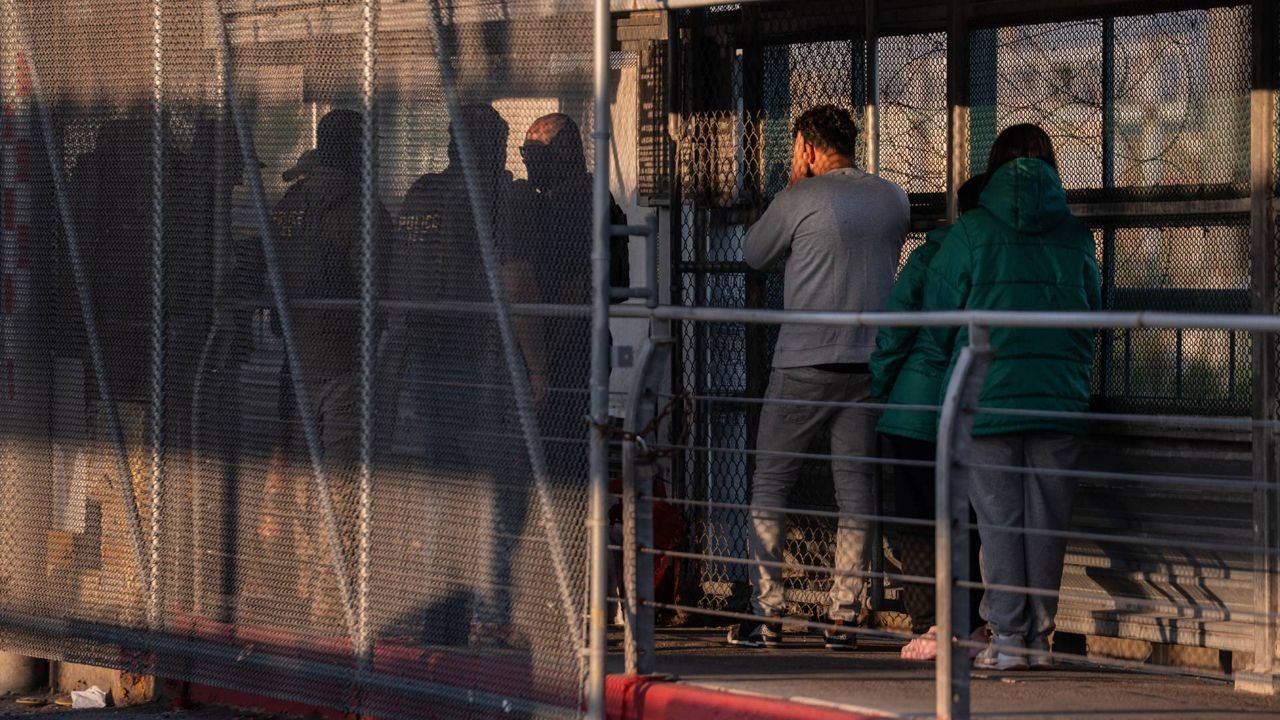
WASHINGTON — The Supreme Court intervened on Tuesday in the ongoing legal battle over the Trump administration’s deportation practices, issuing an order that allows the government to continue sending migrants to third countries while the justices deliberate the policy’s legality.
The high court’s decision temporarily stays an earlier ruling by an appeals court that had placed constraints on the administration’s ability to execute these removals. By opting to hear the case, the justices have signaled that they will address a critical question: whether migrants are entitled to a “meaningful opportunity” to contest their removal to nations with which they have no prior ties or cultural connection.
The administration’s policy of deporting individuals to third-party nations—often referred to as “third-country removals”—has become a centerpiece of the Trump administration’s immigration crackdown. Federal attorneys argued that the appeals court’s previous intervention had already caused operational disruptions, forcing the cancellation of at least one deportation flight carrying approximately 70 individuals bound for three different nations.
Under a framework of often-secret agreements, the administration has utilized this policy to remove roughly 25,000 people to more than two dozen countries, ranging from Liberia and Guyana to Mexico, which serves as the destination for the vast majority of those deported. Administration officials have maintained that the practice is a necessary tool for individuals with final deportation orders who cannot be returned to their home nations—either because those countries refuse to accept them or because of logistical barriers. The government contends that the receiving countries provide assurances that those sent there will not be subject to persecution or torture.
However, the policy has drawn sharp condemnation from immigration advocates and legal experts who argue that it imposes severe, unvetted risks on vulnerable populations. Attorneys representing the immigrants have documented cases where individuals were deposited in unfamiliar nations, only to find themselves imprisoned, destitute, or facing extreme safety hazards. They argue that many of the migrants caught in this process have no criminal records and were previously identified as being at significant risk of torture or persecution in their home countries. For these individuals, the third-country policy effectively leaves them with no viable path to safety, often forcing them to return to the very conditions they initially fled.
This legal confrontation arrives at a time when the administration has intensified its broader immigration agenda, publicly pledging to carry out the mass deportation of millions of people living in the United States illegally. The Supreme Court’s decision to take up the case ensures that the debate over the limits of executive power in immigration enforcement will remain at the forefront of the nation’s judicial and political discourse for the coming months. Until a final ruling is reached, the administration’s current deportation protocols will remain in effect.
Disclaimer: This content is auto-generated for informational purposes only.
Source: Read Original News