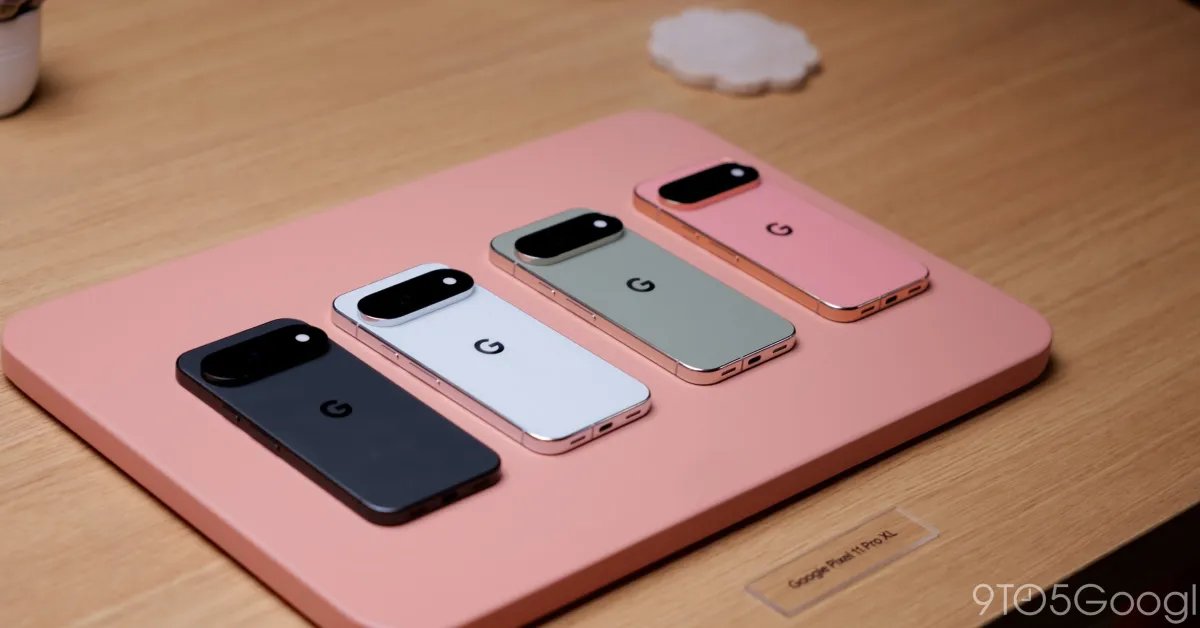









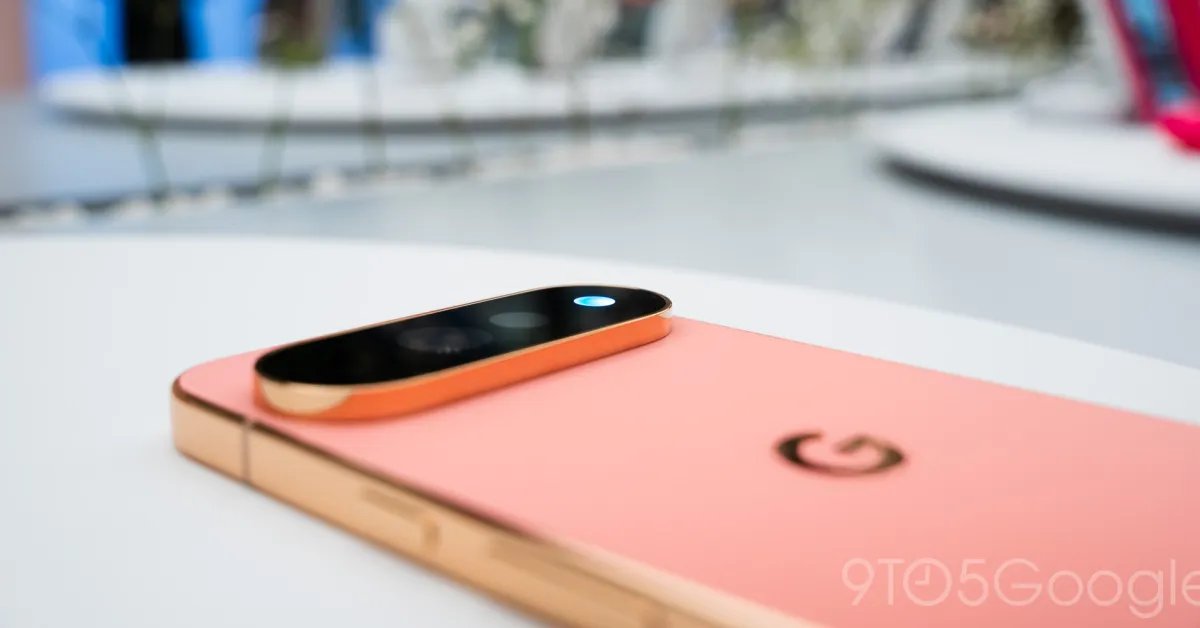
Google has officially expanded its testing phase for Android 17 with the release of QPR2 Beta 6 and the subsequent minor update, Beta 6.1. These rollouts represent the final stages of the software preview cycle before the platform reaches its stable, public release scheduled for December. The updates are currently available for a wide range of devices, spanning from the Pixel 6a through the latest Pixel 11 series, including the diverse foldable configurations.
Enhanced Priority Communication with HiLight
A primary addition in this development cycle is the introduction of the HiLight feature, which focuses on message management. HiLight is designed to elevate communications from specified contacts, effectively filtering the influx of notifications to ensure users stay informed about essential messages from their chosen favorites.
By integrating this functionality directly into the messaging stream, Android 17 aims to reduce digital clutter. Users can designate specific individuals as favorites, and the system will apply distinct visual cues to their incoming messages. This implementation assists in prioritizing personal or urgent alerts amidst a high volume of general notifications. The feature signifies a broader trend in mobile operating systems toward intelligent filtering, where the device proactively assists the user in distinguishing between high-priority interactions and routine alerts.
Visual Feedback for Battery Charging
Beta 6.1 introduces a subtle but functional change to the interface regarding power management. When a device is connected to a power source, the battery icon now displays a distinct outline. This visual indicator provides immediate confirmation that the charging protocol has been successfully initiated.
While this may appear to be a minor aesthetic adjustment, it serves a clear utility-driven purpose. By offering an explicit visual state for the charging process, the system minimizes ambiguity for the user. It allows for quick verification that the connection is secure and the power delivery is active, even at a glance. Such interface improvements reflect Google’s ongoing focus on refining the user experience through clear, communicative design elements that require minimal cognitive load.
Adjustments to Security and Feature Availability
The current beta cycle has also seen the removal of the App Lock functionality. This feature, which previously allowed users to restrict access to sensitive applications through biometric or passcode authentication, has been pulled from the build. This change mirrors the recent removal of custom layout adjustments within the Quick Settings menu.
The rationale behind these removals remains the subject of speculation, as it is currently uncertain if these capabilities will be reinstated before the final stable launch. Such shifts are common during the beta phase, where developers frequently test, retract, and refine features to ensure platform stability. For users who rely on granular security controls, the absence of App Lock represents a notable change in the security landscape of the operating system, necessitating a reliance on individual app-level security settings until further updates provide clarification.
Addressing Stability and Hardware Considerations
With the rollout of Beta 6.1, Google has prioritized stability and bug remediation. The focus remains on ironing out performance inconsistencies identified in previous builds. However, certain hardware-specific issues persist. Notably, users of the Pixel 11 Pro Fold are advised that they may need to re-enroll their Face Unlock credentials.
This requirement is a standard procedure in instances where biometric data integrity or the underlying authentication drivers undergo significant revision. By prompting a re-enrollment, the system ensures that the biometric profile is correctly mapped to the updated security architecture of Android 17. Users participating in the beta program are encouraged to manage these settings promptly to avoid disruption to their device access methods.
Impact and Future Outlook
The rapid deployment of Beta 6 and 6.1 underscores the iterative nature of mobile software development. By providing these preview versions to the public, Google leverages user feedback to optimize the operating system across an extensive hardware portfolio, which now covers nearly a decade of device releases.
The trajectory of these updates indicates a shift toward more proactive user interfaces, such as HiLight, alongside a commitment to maintaining rigorous stability standards. As the December release approaches, the focus will likely shift from feature experimentation to final system hardening. For enthusiasts and developers, these beta builds offer a comprehensive look at the upcoming platform standards and the evolving direction of the Android ecosystem. Users are advised to monitor official release notes closely, as the transition from the beta environment to the stable version will be the final step in the current development cycle.
Disclaimer: This content is auto-generated for informational purposes only.
Source: Read Original News