








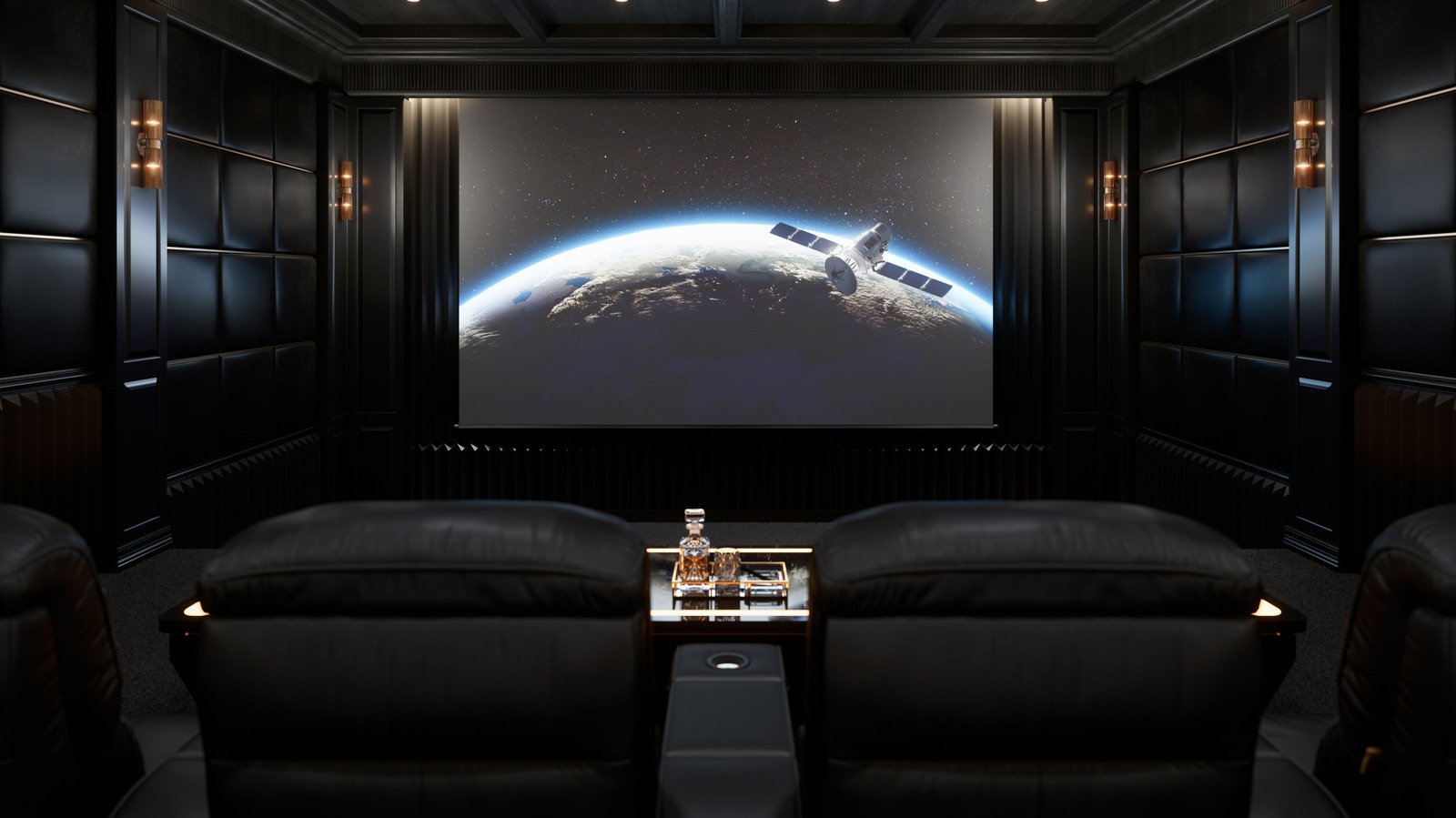
The modern home theater experience is defined by more than just high-resolution visuals. A truly immersive setup requires a sophisticated audio environment that can accurately reproduce the depth, clarity, and spatial dynamics of film and music. As the demand for cinematic quality at home continues to grow, consumers are presented with a wide spectrum of audio hardware, ranging from compact, minimalist soundbars to intricate, multi-component passive speaker systems.
Defining the Role of Component Audio
For enthusiasts seeking uncompromising sound quality, component-based systems remain the industry standard. This approach involves selecting individual speakers for dedicated channels—front, center, and surround—paired with a robust subwoofer and an external A/V receiver. Systems like those offered by Bowers & Wilkins, particularly the 606 S3 and 607 S3 bookshelf speakers paired with an HTM6 S3 center channel, demonstrate the power of this modular philosophy. By separating the soundstage, users gain precise control over dialogue clarity and frequency response.
While these systems require a significant investment in both capital and spatial planning, they offer a level of transparency and power that integrated solutions often struggle to match. The use of premium materials, such as titanium dome tweeters and Continuum woofers, ensures that the system maintains acoustic integrity even at high volumes. Such setups are ideal for dedicated media rooms where the user can optimize the placement of each component to suit the dimensions of the space.
Integrated Soundbars and Multi-Channel Packages
Not every user has the space or the inclination to wire a complex multi-speaker system. In response, manufacturers have developed high-performance integrated solutions that utilize advanced digital signal processing to mimic surround sound. The Samsung HW-Q990F serves as a prime example, offering an 11.1.4-channel experience within a streamlined package. These systems rely on spatial audio formats such as Dolby Atmos and DTS:X, bouncing sound waves off ceilings and walls to create a dome of audio immersion.
For many, the primary advantage of these units is the ease of installation and the elimination of clutter. Features like HDMI 2.1 passthrough ensure that high-bandwidth content, such as 4K gaming at 120Hz, remains uncompromised. Furthermore, proprietary technologies like Samsung’s Q-Symphony allow the soundbar to synchronize with a compatible television’s internal speakers, expanding the soundstage further without requiring additional external hardware.
The Rise of Versatile Wireless Audio
Wireless technology has reached a point where latency and compression are no longer significant hurdles for home theater enthusiasts. Premium wireless systems, such as the Sony Bravia Theater Quad or the KEF LSX II LT, provide high-fidelity output with a fraction of the cabling required by traditional passive speakers. These units appeal to users who value aesthetic cleanliness without sacrificing the depth of a multi-driver setup.
The Sony Bravia Theater Quad, for instance, uses four identical speakers to form a 4.0.4 array that adapts to the specific acoustics of the room via automated calibration apps. This focus on digital room correction is a crucial advancement in consumer technology, as it allows users to achieve a balanced sound profile regardless of irregular room shapes or furniture placement. When paired with wireless subwoofers, these systems provide a compelling balance between simplicity and sonic performance.
Navigating Budget and Performance Constraints
Entry-level audio does not necessarily mean poor quality, as seen in bookshelf speakers like the Elac Debut 2.0 B6.2 and the Wharfedale Diamond 12.1. These speakers cater to users building a system over time, allowing for a phased investment. The flexibility of passive bookshelf speakers allows a user to start with a stereo pair and eventually expand into a full 5.1 or 7.1 setup as their budget and space allow.
Conversely, all-in-one budget solutions like the Logitech Z906 provide a comprehensive 5.1 surround sound experience at a fraction of the cost of audiophile-grade gear. While these systems may lack the sophisticated codec support for the latest object-based audio formats, they are excellent entry points for gaming setups or smaller living spaces. The impact of transitioning from standard television speakers to a dedicated 5.1 system is profound, as it introduces genuine directional audio cues that are essential for gaming and film narratives.
Selecting the Right System for the Space
The choice between a multi-component system, a high-end soundbar, or a compact wireless arrangement ultimately depends on the specific requirements of the user and the architecture of the home. Factors such as room size, acoustic treatment, and the intended use-case—whether it be primary film viewing, casual music listening, or competitive gaming—are the determining variables in the selection process.
As hardware manufacturers continue to refine internal acoustics and connectivity, the barrier for achieving high-quality home theater audio is lowered. Whether opting for the transparency of KEF’s Meta-technology speakers or the expansive, synchronized performance of a Sonos bundle, the current market offers tailored solutions for every category of user. Careful consideration of power requirements, port connectivity, and room-calibration features remains the most effective strategy for constructing a lasting and satisfying home theater audio environment.
Disclaimer: This content is auto-generated for informational purposes only.
Source: Read Original News