







The Transition to a Discless Ecosystem
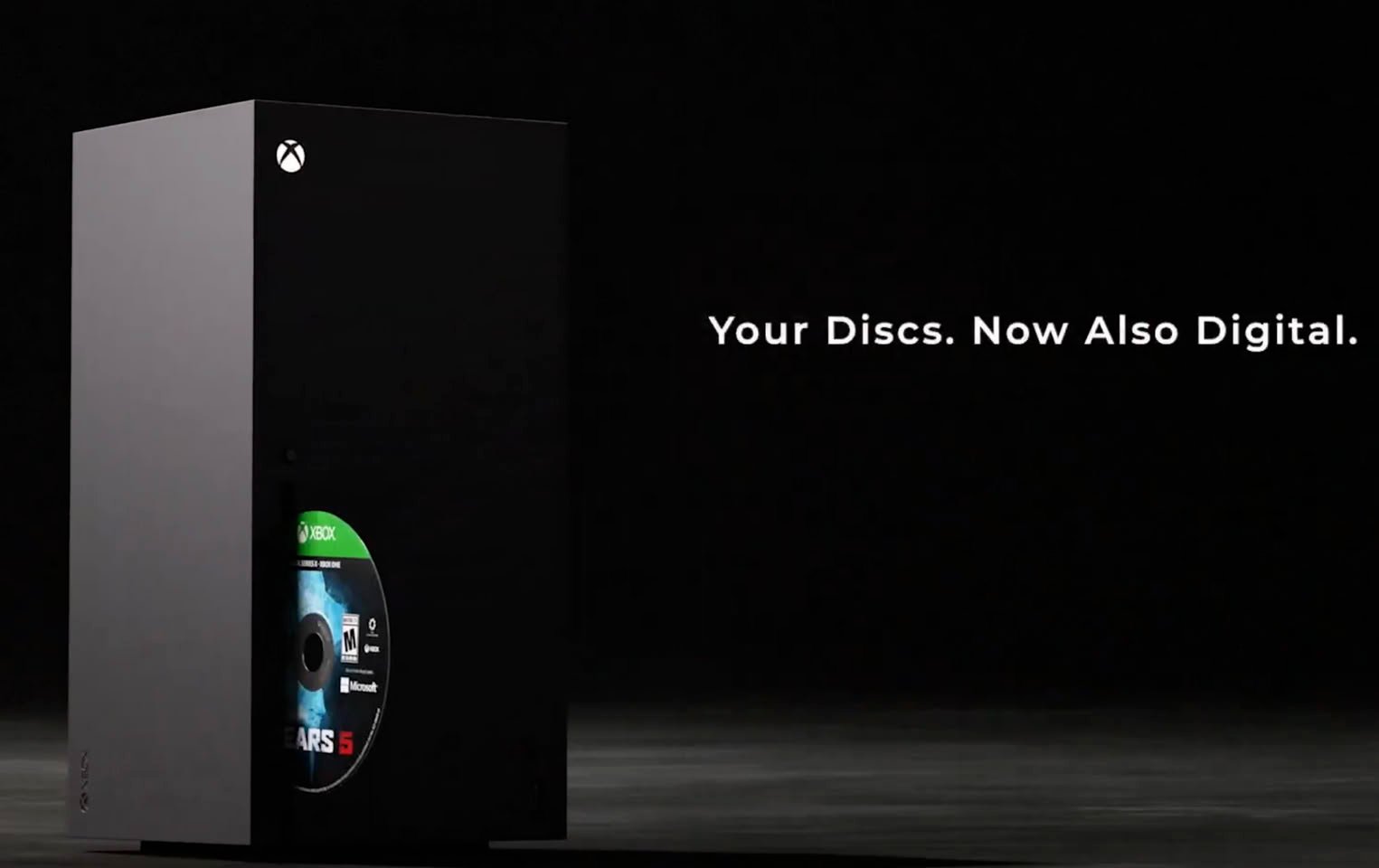
Microsoft has officially transitioned its Xbox Disc-to-Digital program from a limited testing phase for Xbox Insiders to a full-scale public release. This strategic move signals a decisive shift in the company’s hardware philosophy, effectively preparing the consumer base for an era where physical media drives may be excluded from future hardware iterations. By providing a bridge between physical libraries and digital ownership, Microsoft is attempting to maintain the promise of backwards compatibility while simultaneously modernizing its software distribution infrastructure.
For years, the industry has seen a gradual migration toward digital storefronts. While many players continue to value the physical disc for its resale value and tangible ownership, the convenience of a library stored entirely on a cloud-linked account has become the preferred standard for most consumers. The Disc-to-Digital program serves as a bridge, allowing users who have invested heavily in physical media for the Xbox One and Xbox Series X generations to retain their software access should they eventually upgrade to a console that lacks an optical drive.
Understanding the Mechanics and Eligibility
The mechanics of the program are straightforward in theory but complex in practice. When a user utilizes the Disc-to-Digital feature, they are essentially registering their physical disc with their Xbox account, which then grants them a digital license for that title. Once this digital entitlement is granted, the user can download and play the game without needing the disc inserted into the console.
However, Microsoft has been clear regarding the limitations of this system. Not every game title is eligible for this conversion. The eligibility criteria are influenced by a multifaceted array of factors, including licensing agreements with third-party publishers, technical requirements, and manufacturing specifics. Because these factors can shift over time, a game that is eligible for conversion today may not be available for the program tomorrow. This fluidity suggests that Microsoft maintains significant oversight, and users should not view this as a permanent, universal guarantee for every physical disc in their collection.
Hardware Constraints and Backwards Compatibility
A critical point of concern for long-time collectors is the limitation regarding older hardware generations. The current scope of the Disc-to-Digital program is strictly confined to Xbox One and Xbox Series X game discs. Despite the robust backwards compatibility features that allow Xbox Series consoles to play original Xbox and Xbox 360 titles, those older formats are entirely excluded from the digital conversion process.
This development provides a clearer picture of what the future holds for the rumored Xbox Project Helix console. If the next iteration of the console abandons the disc drive entirely, users will only be able to bring forward their digital libraries and a specific, curated subset of their physical Xbox One and Series X collections. Titles from the original Xbox and Xbox 360 eras, while still playable on current hardware, will likely remain inaccessible on any future discless consoles unless Microsoft expands the program or develops a new method for legacy digital migration.
Licensing, DRM, and Revocability
The terms and conditions accompanying this program underscore the reality of modern digital distribution: the user is purchasing a license to play, not the underlying intellectual property. Microsoft has explicitly stated that these digital licenses are subject to revocation. While the company has not provided extensive technical documentation on how it plans to monitor this, the system clearly relies on advanced Digital Rights Management (DRM) to enforce compliance.
Because the program is designed to prevent the duplication of assets, the digital license is tethered to the verification of the physical disc’s status. If a user sells their physical copy, misplaces it, or if the system detects that the disc is no longer in the owner’s possession, the associated digital license may be revoked. This creates an environment where the “digital” version remains tethered to the physical asset in a custodial sense, even if the disc itself is no longer required for day-to-day operation. The precise methodology for handling edge cases—such as temporarily lending a disc to a friend—remains opaque, prompting questions about how strictly the platform will enforce these restrictions in real-world scenarios.
Impact on the Gaming Market
The broader implication of this program is the slow erosion of the secondary market for physical games. By incentivizing players to convert their discs to digital licenses, Microsoft effectively removes those units from the used-game economy. Once a disc is “converted,” its value as a tradeable item is effectively negated, as the license is now locked to the user’s account.
For the gaming ecosystem, this represents a significant shift in power. Publishers gain greater control over the distribution and lifecycle of their products, while Microsoft consolidates its platform into a service-oriented model. While this offers clear benefits to the player in terms of convenience, reduced hardware wear, and simplified access, it marks the beginning of the end for the traditional physical ownership model. As the industry moves toward this service-first approach, the Disc-to-Digital program stands as a transitional tool, designed to ease consumer anxiety while paving a firm path toward an all-digital future. Whether this will lead to a more consumer-friendly environment or a more restrictive one remains to be seen as the program matures and more publishers opt into the ecosystem.
Disclaimer: This content is auto-generated for informational purposes only.
Source: Read Original News