







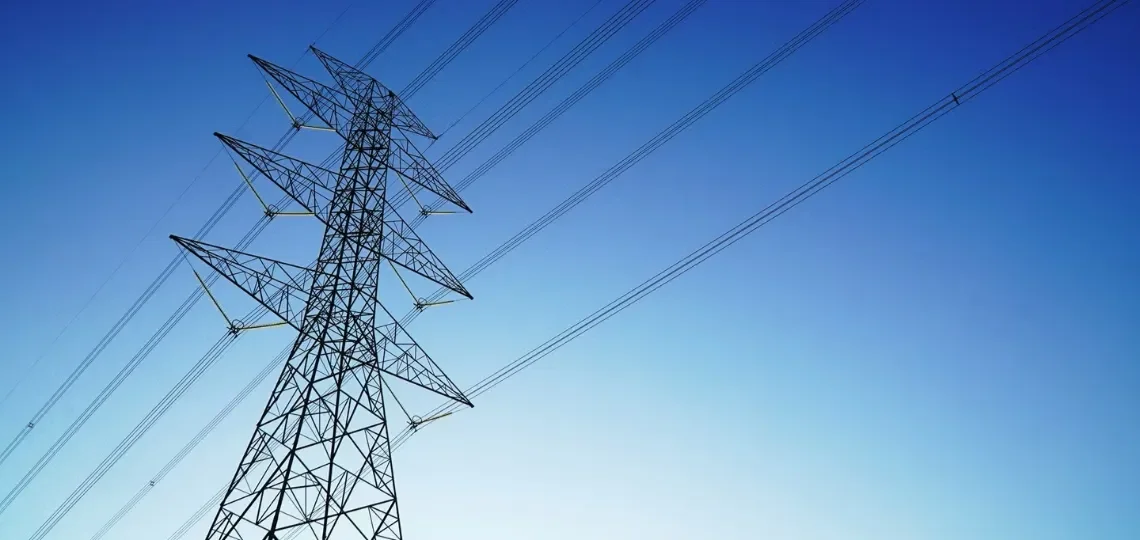
India Greenlights Massive Rs 1.86 Lakh Crore Energy Infrastructure Overhaul
In a landmark move to accelerate the country’s transition toward sustainable energy, the Union Cabinet, chaired by Prime Minister Narendra Modi, has officially approved the Green Energy Corridor Phase-III (GEC-III) scheme. This ambitious initiative represents a critical pillar in India’s strategy to modernize its power infrastructure, aiming to facilitate the seamless evacuation of 135 gigawatts (GW) of renewable energy across various states and union territories.
Strengthening the National Grid
The core objective of GEC-III is the significant reinforcement of India’s Intra-State Transmission System (InSTS). By expanding and upgrading transmission lines, the government intends to ensure that the massive influx of renewable power generated at solar and wind farms can be efficiently distributed to demand centers. This infrastructure boost is essential to achieving India’s target of reaching 900 GW of installed non-fossil fuel capacity by 2035.
A cornerstone of this approval is the integration of 50 gigawatt-hours (GWh) of Battery Energy Storage Systems (BESS). These storage facilities will be strategically deployed at generator sites or other vital grid locations to tackle the inherent challenges of renewable energy, such as intermittency and grid congestion. By providing storage, the government aims to mitigate peak-hour curtailment and ensure a steady power supply even when solar generation is unavailable.
Financial Scope and Economic Impact
The financial commitment for this project is substantial, with a total project outlay of Rs 1,86,405 crore (approximately $21.2 billion) slated for completion by the fiscal year 2032-33. The budget is divided between Rs 1,36,378 crore designated for transmission infrastructure and Rs 50,000 crore dedicated specifically to the rollout of battery storage capacity.
To alleviate the financial burden on the system and ultimately lower costs for the end consumer, the central government has committed a robust Central Financial Support package of Rs 54,082 crore. Officials have emphasized that this financial assistance is designed to offset intra-state transmission charges, ensuring that the transition to green energy remains affordable for the Indian public.
Implementation Strategy
The execution of this massive undertaking will utilize a dual-track approach. Greenfield transmission projects will be developed through Tariff Based Competitive Bidding (TBCB), fostering a transparent and efficient market environment. Meanwhile, brownfield upgrades and network reinforcements will follow a Cost Plus Basis (CPB) model. State Transmission Utilities are tasked with spearheading the rollout, with private Transmission Service Providers (TSPs) participating under the Build-Own-Operate-Maintain (BOOM) framework.
A Boost for Employment and Sustainability
Beyond the technical and energy benefits, the GEC-III scheme is expected to act as a significant engine for economic growth. The construction, manufacturing, and operation phases are projected to generate substantial direct and indirect employment opportunities. Specifically, the growing demand for BESS technology is anticipated to catalyze the domestic energy storage manufacturing sector, while the ongoing grid management requirements will necessitate a long-term pipeline of skilled technical professionals.
By aligning national infrastructure development with environmental goals, the Indian government seeks to secure long-term energy independence while drastically reducing the nation’s carbon footprint. This initiative marks a pivotal chapter in India’s journey toward becoming a global leader in the sustainable energy landscape.
Disclaimer: This content is auto-generated for informational purposes only.
Source: Read Original News