







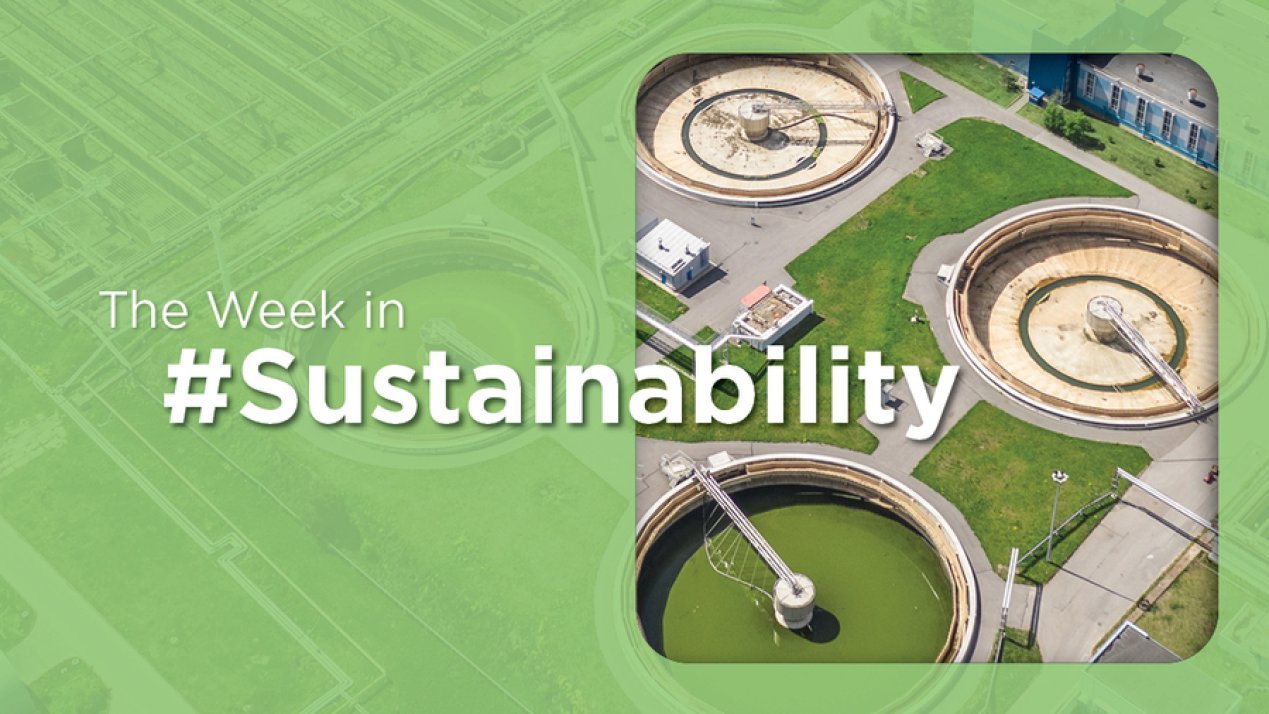
Mexico’s escalating water crisis is emerging as a critical threat to the nation’s economic stability, with experts warning that it could shave 4% to 5% off the annual GDP. This structural challenge, driven by a significant capital gap in public infrastructure and inefficient agricultural water usage, is forcing the private sector to lead a transition toward decentralized, sustainable resource management. Meanwhile, major financial institutions are stepping in to accelerate corporate ESG transitions, even as global reports underscore the massive economic potential of climate-focused investments.
The Macroeconomic Cost of Mexico’s Water Scarcity
The current water deficit is far more than an environmental concern; it is a direct bottleneck for Mexico’s industrial ambitions, particularly as the country positions itself as a global nearshoring hub. Industry experts note that public funding currently addresses less than 6% of the required decade-long investment needed to stabilize water infrastructure. With nearly 76% of all extracted water consumed by inefficient flood-based agricultural practices, manufacturing corridors and commercial real estate are facing an existential squeeze.
To mitigate these risks, private enterprises and massive beverage conglomerates are bypassing traditional grid reliance. Companies are increasingly investing in proprietary circular water infrastructure, sophisticated on-site recycling plants, and complex greywater exchange agreements. These moves reflect a growing trend of industrial decentralization, where tech-enabled resource management is becoming a requirement for maintaining long-term operational continuity.
Strategic Financing Drives Sustainable Transformation
In a sign that the financial sector is aligning with these sustainability mandates, Grupo Coppel has successfully closed a syndicated sustainable credit facility worth up to MX$5 billion (approximately US$279.93 million). Arranged by BBVA México, this deal is notable for its innovative structure, which links interest rates and borrowing terms directly to verifiable performance metrics.
By tying financing to the company’s ability to hit specific benchmarks in clean energy adoption and the electrification of its nationwide logistics fleet, the facility creates a direct financial incentive for green growth. This transaction is considered a landmark for the Mexican market, as it successfully bundles commercial banking institutions with pension funds—a move that signals a maturation of ESG-linked debt instruments within domestic capital markets. This type of financial engineering allows for the infusion of capital into infrastructure projects that are essential for long-term climate resilience.
The Global Case for Climate Investment
The need for such rapid capital deployment is supported by findings from the United Nations Environment Programme (UNEP) and the Climate and Clean Air Coalition (CCAC). Their latest report demonstrates that the “cost of inaction” is significantly higher than the cost of transition. According to the data, every US$1 invested in joint climate and air pollution mitigation generates roughly US$15 in economic benefits.
While market-specific benefits return about US$4 for every dollar spent, the inclusion of broader public health and environmental “non-market” gains bolsters the total return to US$15. This data provides a strong argument for governments and private entities alike to stop viewing climate action as a mere expense and instead treat it as a high-yield investment.
Government Shifts and Future Policy
The federal government is also beginning to recalibrate its approach to match these economic realities. Under the administration of President Claudia Sheinbaum, the government has moved to prioritize water infrastructure as a cornerstone of its national agenda. Recent briefings led by Minister of Environment Alicia Bárcena and the National Water Commission (CONAGUA) suggest a new institutional focus on watershed rehabilitation and climate-resilient water allocation. As these policies take shape, the convergence of federal mandate and private sector capital will likely define the success of Mexico’s efforts to decouple economic growth from water consumption.
Disclaimer: This content is auto-generated for informational purposes only.
Source: Read Original News