







The Economic Implications of Rising Commercial LPG Costs
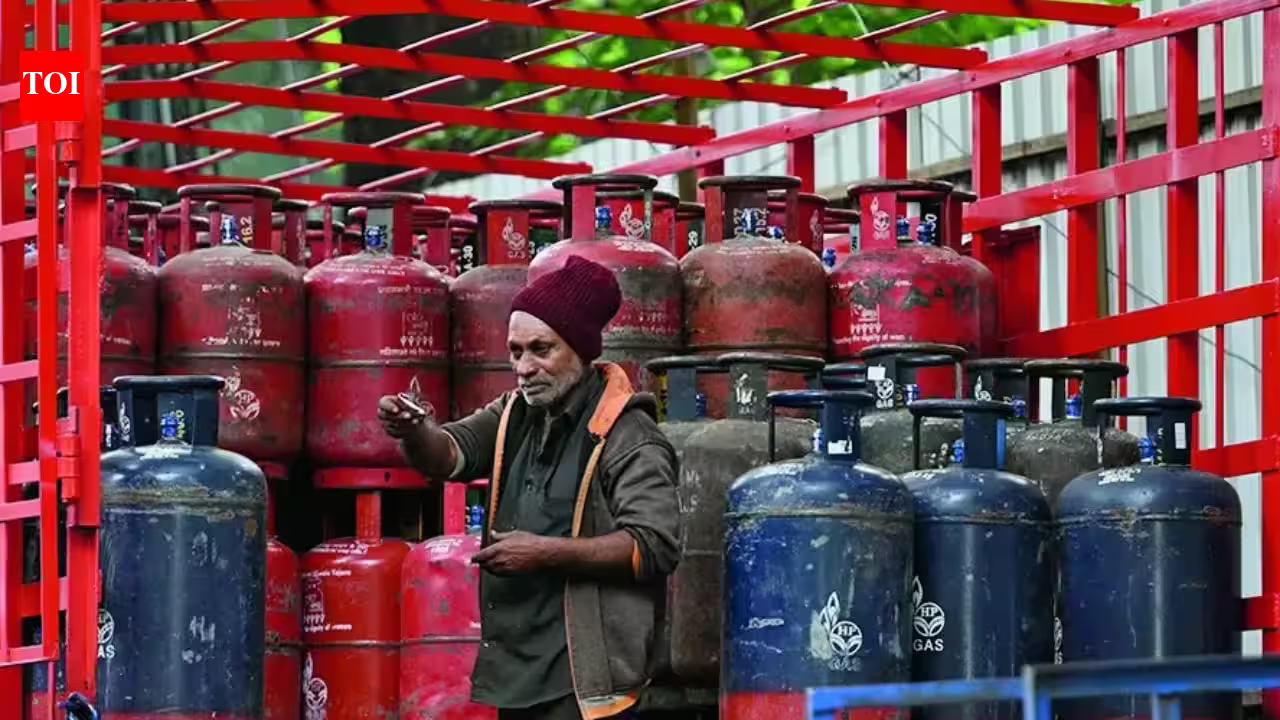
The recent upward adjustment in the price of the 19-kg commercial LPG cylinder, which now stands at Rs 2,810 following a Rs 62.50 hike, serves as a significant signal for the Indian hospitality and food service sectors. This change, compounded by a previous increase of Rs 9.50 in the preceding month, highlights the volatile nature of energy input costs for businesses operating on tight margins. For small-to-medium enterprises (SMEs) like restaurants, cafes, and catering services, LPG represents a primary overhead. When fuel costs rise, the immediate pressure on profit margins often necessitates a strategic review of operational expenditures and pricing models.
Furthermore, the simultaneous rise in Aviation Turbine Fuel (ATF) by approximately Rs 16 per litre—moving from Rs 121 to Rs 137—indicates a broader inflationary trend in energy logistics. While commercial LPG affects the service industry directly, the surge in fuel costs creates a ripple effect throughout the supply chain. Businesses that rely on third-party logistics or those involved in the distribution of perishable goods may find their transport costs climbing, leading to a cumulative increase in the landing cost of inventory. In an economy where consumer demand is sensitive to price fluctuations, businesses must now decide whether to absorb these additional costs or pass them on to the end consumer, a choice that carries inherent risks to market competitiveness.
Rationalizing Subsidies Through Biometric Authentication
Parallel to the rise in commercial costs, the Indian government has initiated a critical policy shift for domestic LPG users. Effective October 1, 2026, the mandate for Biometric Aadhaar Authentication (BAA) represents a concerted effort to enhance the transparency and fiscal discipline of the subsidy delivery mechanism. By linking individual gas connections to verified biometric identities, the Ministry of Petroleum and Natural Gas aims to address several systemic inefficiencies, including the existence of ghost beneficiaries, duplicate connections, and the unauthorized diversion of subsidized fuel into the commercial market.
From an analytical perspective, this policy is an attempt to optimize the fiscal burden of the national subsidy bill. By ensuring that financial support is directed exclusively toward legitimate households, the state can sustain the welfare architecture without inflating the national deficit. The implementation of BAA acts as a filter that separates social welfare intent from commercial market realities. This move aligns with broader digital governance trends in India, where the integration of Aadhaar has successfully streamlined direct benefit transfers (DBT) and reduced leakages across various public distribution schemes. For the oil marketing companies (OMCs), this ensures that their inventory management aligns with legitimate demand projections rather than inflated figures caused by ineligible beneficiaries.
Operational Adjustments for Domestic Consumers
The shift toward mandatory authentication requires a high degree of compliance from millions of domestic users across both urban and rural India. The government has mitigated the potential for administrative friction by providing multiple avenues for compliance. Whether through the doorstep services provided by delivery personnel using specialized mobile applications, visits to physical distributor showrooms, or the use of digital platforms like IndianOil ONE, HelloBPCL, and HP PAY, the infrastructure for authentication is designed for accessibility.
The policy also provides a degree of flexibility for consumers who might be hesitant about biometric data sharing or unable to complete the process. By allowing users to opt for non-subsidized LPG in 5-kg or 10-kg cylinders via digital channels, the administration ensures that the market for domestic cooking fuel remains open to all, provided they are willing to pay the market rate. This distinction between the subsidized, regulated market and the open market price creates a clear delineation between welfare-oriented service and commercial service. The success of this rollout will depend on the digital literacy of consumers and the efficiency of the OMCs in managing the backend processing of these biometric verification requests.
Macroeconomic Impact and Energy Security
The adjustment of LPG prices—both commercial and domestic—reflects the complex interplay between global energy indices and domestic policy requirements. India remains a significant importer of crude oil and liquefied petroleum gas, making the economy susceptible to global price shocks. When global prices rise, the domestic retail price must eventually calibrate to prevent widening the fiscal deficit. The dual approach of hiking commercial prices while tightening subsidy eligibility for domestic users is a classic strategy to maintain macroeconomic stability while protecting the most vulnerable sections of society.
For the Indian business landscape, these energy shifts underscore the need for greater reliance on energy-efficient technologies. Businesses that invest in energy-efficient burners, induction cooking, or renewable energy sources are better positioned to insulate themselves from the periodic volatility of fossil fuel pricing. The current trend also signals that the era of inexpensive, heavily subsidized energy is transitioning toward a model of targeted efficiency. As the country matures as a digital-first economy, the integration of data-driven subsidy management will likely become the standard for all public utilities, including electricity and water.
Strategic Outlook for Stakeholders
The path forward requires proactive engagement from all stakeholders. For business owners, the current environment necessitates a re-evaluation of energy procurement and usage. Relying on traditional fuel sources without measures to optimize efficiency is becoming increasingly unsustainable. Companies must look toward cost-management strategies such as bulk procurement planning or the adoption of new, lower-cost energy alternatives where feasible.
For the average consumer, the requirement for biometric authentication is a necessary hurdle for maintaining access to the subsidy. The transition period will likely see intensified efforts from OMCs to educate the public, particularly in rural districts where digital infrastructure is still evolving. The government’s emphasis on maintaining supply through digital channels for those who decline BAA suggests that the state is not looking to withdraw services, but rather to modernize the verification process.
In summary, the confluence of rising commercial LPG prices and the new biometric mandate represents a transformative phase in India’s energy sector. It highlights the government’s commitment to fiscal prudence and the necessity for businesses to navigate a landscape defined by higher input costs and more stringent compliance requirements. By balancing the need for welfare with the realities of a global energy market, India is signaling a shift toward a more transparent, technology-enabled energy future. While these adjustments present immediate challenges for many, they are foundational steps toward a more resilient and efficiently managed national energy infrastructure.
Disclaimer: This content is auto-generated for informational purposes only.
Source: Read Original News