








The Evolving Architecture of Global Trade Diplomacy
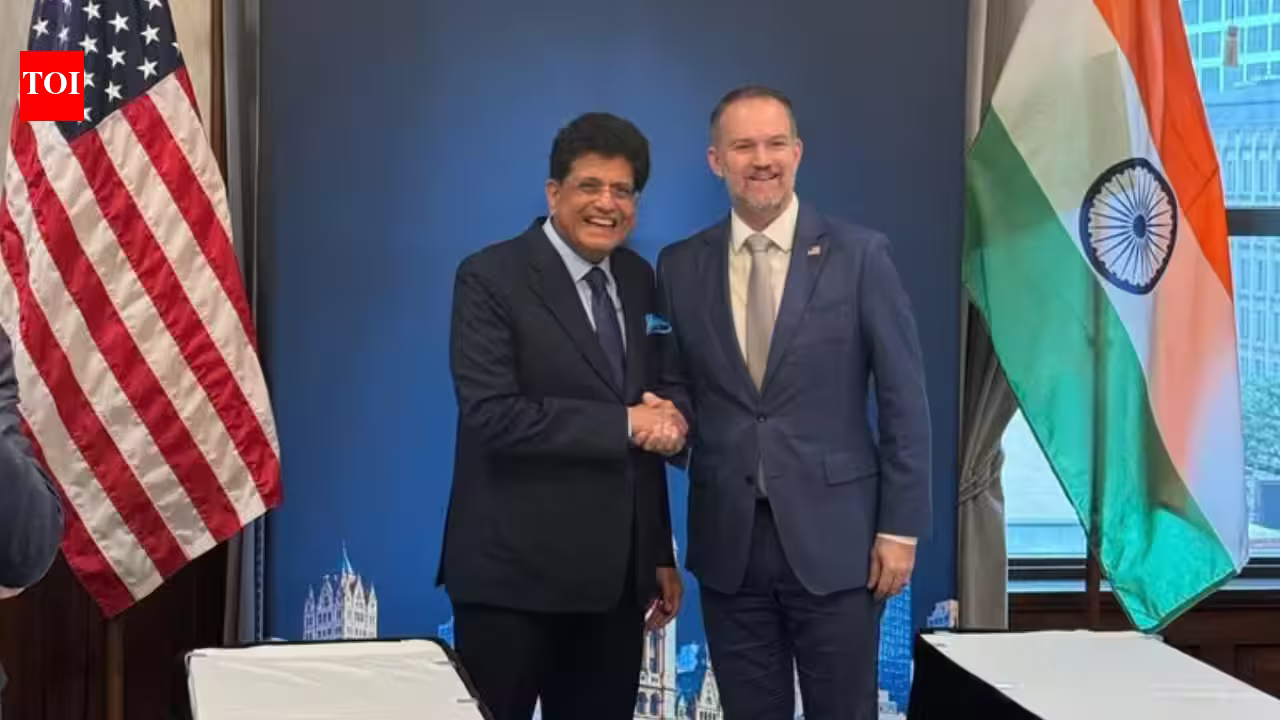
The recent G20 trade ministers’ meeting in Milwaukee served as a pivotal platform for redefining the parameters of international commercial engagement. As global supply chains face unprecedented scrutiny and geopolitical tensions reshape market access, the interaction between US Trade Representative Jamieson Greer and Indian Commerce Minister Piyush Goyal highlights a shift toward more pragmatic, interest-based bilateralism. The proceedings in Milwaukee were characterized by a departure from standard diplomatic rhetoric, focusing instead on structural industrial challenges and the necessity of re-evaluating long-standing tenets of the multilateral trading system.
For India, this dialogue represents a critical juncture. Minister Goyal’s active engagement reflects India’s ambition to balance its commitment to the World Trade Organization (WTO) with the pursuit of tailored bilateral agreements that provide the necessary policy space for a developing economy. As the US pushes for a recalibration of trade norms—specifically regarding the Most-Favored-Nation (MFN) principle and industrial excess capacity—New Delhi must navigate these expectations while safeguarding its domestic manufacturing interests and food security requirements.
Addressing Steel Overcapacity and Market Distortions
One of the most concrete outcomes of the Milwaukee ministerial was the endorsement of the “Milwaukee Framework,” designed to address the persistent issue of steel overcapacity. This development is significant for the Indian steel sector, which has increasingly sought to integrate itself into global supply chains while facing competition from subsidized industrial outputs from dominant global players.
The US stance on excess capacity, which characterizes it as a fundamental distortion of market mechanisms, aligns with broader international concerns about supply chain resilience. By emphasizing stronger coordinated action, trade remedies, and rigorous supply-chain monitoring, the Milwaukee Framework serves as a warning to nations that rely on state-supported industrial expansion to dominate global market share. For Indian firms, this presents a dual reality: it offers a more predictable regulatory environment for high-quality exports, but it also necessitates compliance with stringent transparency and transshipment scrutiny. The focus on “structural excess capacity” suggests that trade policy is no longer just about tariffs; it is now deeply integrated with industrial policy and the geographic re-routing of raw materials.
Reconsidering the Most-Favored-Nation Principle
Perhaps the most provocative element of the recent discourse is the US push to rethink the Most-Favored-Nation (MFN) principle. Traditionally, MFN status has been the bedrock of the rules-based global trading system, mandating that concessions granted to one trading partner must be extended to all WTO members. However, the American critique suggests that the rigid, unconditional application of this principle may inadvertently empower entities that employ distortive, non-market trade practices.
India’s position remains cautious. As a developing nation, India relies on the stability and predictability of the current multilateral framework to ensure its exporters have fair access to global markets. A move toward a conditional trade order could complicate India’s export strategy, potentially leading to a more fragmented global landscape. Nevertheless, the Indian government’s insistence on a system that is “equitable and non-discriminatory” suggests a readiness to engage in reform, provided such changes do not strip developing nations of the policy levers required to foster domestic industrialization. The tension between the US desire for flexibility to counter unfair practices and India’s preference for a rules-based system will likely dominate trade negotiations for the coming decade.
The Strategic Push for an India-US Bilateral Trade Agreement
Parallel to the broader G20 discussions, the bilateral deliberations between Minister Goyal and USTR Greer represent a significant effort to solidify the economic component of the India-US strategic partnership. The progress toward an interim bilateral trade agreement is indicative of a shared desire to move beyond aspirational frameworks toward tangible commercial results.
For the Indian business community, an interim deal is viewed as a gateway to deeper integration with American manufacturing and technology ecosystems. Minister Goyal’s outreach to American CEOs at the National Association of Manufacturers underscores India’s pitch: that it is not merely a market for finished goods, but a partner in advanced manufacturing and resilient supply chain construction. By encouraging US firms to collaborate with Indian small and medium enterprises, the government is looking to replicate the success of localized industrial hubs. This strategy aims to reduce reliance on legacy supply chains while positioning India as a stable, democratic alternative in the global manufacturing map.
Food Security and the Weaponization of Trade
The discussion regarding the weaponization of food supply chains provides insight into the intersection of geopolitics and essential commodities. Minister Goyal’s emphasis on distinguishing between domestic food-security measures and the intentional disruption of supply chains is a vital nuance. India, as a significant producer and consumer of agricultural goods, has often had to implement export restrictions to protect domestic price stability.
In the current global climate, where food security is increasingly viewed through the lens of national security, India’s ability to defend its domestic policy interventions at the G20 level is essential. By framing these measures as legitimate tools for stability rather than acts of market interference, India is working to prevent its sovereign interests from being conflated with global supply chain manipulation. This diplomatic balancing act ensures that India retains the flexibility to manage its internal market while remaining a responsible participant in the global food trade.
Future Outlook for Global Commercial Relations
The developments in Milwaukee signal that the era of passive globalization is ending, replaced by a more assertive era of economic statecraft. As the US prepares to host the leaders’ summit later this year, the agenda set in Milwaukee—focusing on industrial capacity, supply chain integrity, and the reform of multilateral rules—will likely serve as the blueprint for the next phase of global trade policy.
For Indian industry, the message is clear: the global trade landscape is shifting toward a model that rewards transparency, structural efficiency, and high-level strategic alignment. As New Delhi continues to negotiate the specifics of an India-US bilateral agreement, the focus on integrating Indian MSMEs into the global value chain and securing intellectual property exchanges will be paramount. Ultimately, the ability of India to position itself as a reliable, high-value manufacturing partner will depend on its capacity to synchronize domestic regulatory reforms with the changing demands of its key international counterparts. The “trade minister for life” remark, while light-hearted, underscores the reality that these geopolitical shifts are not transient, but are setting the trajectory for the next era of industrial growth and diplomatic engagement.
Disclaimer: This content is auto-generated for informational purposes only.
Source: Read Original News