







Mexico’s escalating hydrological crisis is signaling a profound shift in the nation’s economic landscape, with experts warning that a severe water deficit could shave 4% to 5% off the national GDP. While industrial expansion and nearshoring were once the primary drivers of growth, the country is now facing a structural bottleneck where the demand for water far exceeds public infrastructure capacity. With federal spending plans covering less than 6% of the required decade-long investment, private enterprises are increasingly turning to advanced technology and off-grid solutions to secure their operational future.
The Infrastructure Gap and Economic Risk
The gap between required capital and actual public investment is creating a significant fiscal burden. To maintain a functional water network, international standards suggest an annual investment of 1.3% of GDP, which equates to roughly MX$350 billion in Mexico. However, current federal allocations for the next six years average only about MX$31.1 billion annually. This shortfall is not merely a logistical failure; it is a catalyst for economic contraction. Unmanaged water decay, including inadequate wastewater treatment and the rapid depletion of aquifers, is already costing the Mexican economy more than MX$102 billion annually. As water scarcity worsens, industries face production halts, rising operational costs, and an erosion of investor confidence that threatens to stifle the country’s nearshoring momentum.
Technological Intervention and Corporate Autonomy
With municipal water grids becoming increasingly unreliable, corporations are deploying high-tech, decentralized infrastructure to maintain business continuity. Major players, particularly in the manufacturing, real estate, and beverage sectors, are moving away from traditional utility dependency. This “off-grid” strategy increasingly relies on sophisticated engineering, including Zero Liquid Discharge (ZLD) systems that utilize AI-driven membrane filtration and real-time sensor data to recycle process water continuously.
These companies are also leveraging digital tools to manage resource consumption more efficiently. By integrating IoT (Internet of Things) sensors, firms can monitor water quality and usage patterns across their facilities with precision, identifying leaks or inefficiencies before they impact production. Furthermore, some facilities are even deploying atmospheric water harvesting technologies, capable of extracting hundreds of thousands of liters of water directly from the air, effectively decoupling their operations from the regional hydrological cycle.
Agriculture and the Nearshoring Bottleneck
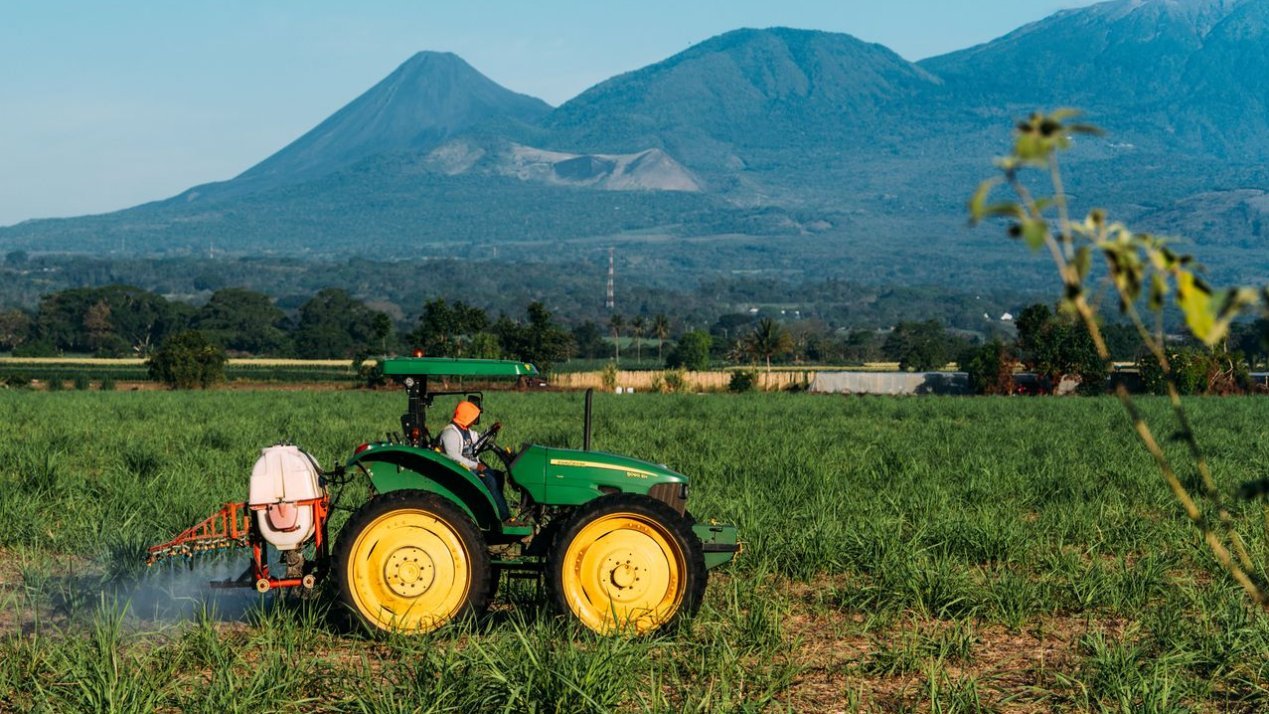
The primary driver of the current crisis is a legacy agricultural sector that consumes over 75% of extracted water, largely through inefficient flood-irrigation methods. This massive consumption leaves little for the industrial sectors that drive export growth and foreign direct investment. Because industry in states like Nuevo Leon and Querétaro accounts for a smaller portion of total consumption yet generates a disproportionate amount of GDP, the competition for limited water resources has become a critical factor for business site selection.
To address this, large corporations are increasingly acting as private financiers of public-good infrastructure. Companies like Coca-Cola FEMSA and Heineken are investing in their own supply chains by subsidizing drip-irrigation systems and moisture-monitoring tech for local farmers. By helping the agricultural sector modernize, these beverage giants are effectively “releasing” millions of cubic meters of water back into the regional basins. This collaborative, tech-forward approach suggests that the future of Mexican industry will not be defined by access to public utility grids, but by the ability of private enterprises to engineer their own sustainable water loops. As the regulatory landscape tightens, the integration of circular water infrastructure will likely become the standard for any business aiming to survive in an increasingly water-stressed market.
Disclaimer: This content is auto-generated for informational purposes only.
Source: Read Original News