






Reviving the Pixel Referral Ecosystem
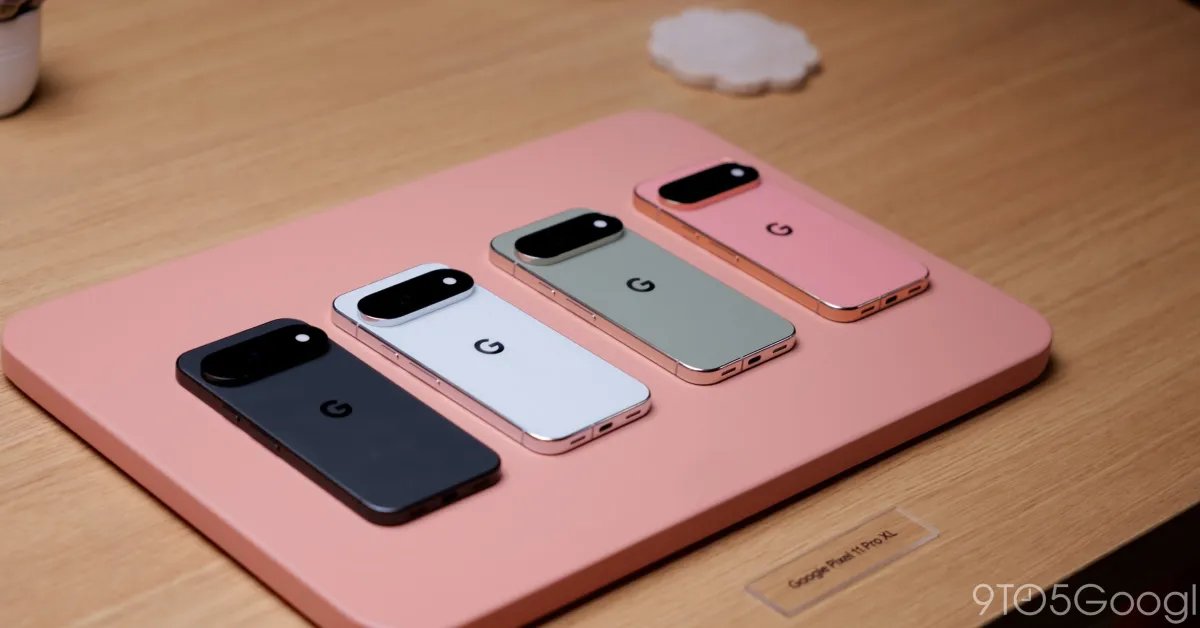
The Google Store has officially reactivated its referral program following the recent rollout of the Pixel 11 series. This strategic initiative is designed to incentivize existing device owners to advocate for the new hardware while providing a tangible financial benefit to potential new users. By leveraging a peer-to-peer recommendation model, Google aims to increase its market penetration during the critical months leading into the end-of-year shopping cycle.
The mechanics of the program are straightforward. Participants are issued unique, alphanumeric referral codes that can be shared with individuals looking to purchase a new Pixel device from the United States Google Store. When a customer applies one of these codes during the checkout process, they receive a 10 percent discount on their phone purchase. This creates an immediate conversion advantage for the buyer, effectively lowering the barrier to entry for the latest high-end hardware.
Technical Incentives and Reward Structures
For the referring party, the program serves as a loyalty benefit. Once a successful transaction is completed using a provided code, the referrer is eligible to receive $50 in Google Store credit. The distribution of this credit is tied to the return window of the purchased device. Specifically, the credit is issued approximately 30 days after the purchase date—a timeline chosen to align with the 15-day remorse period allowed for returns.
There are defined constraints on how many times a single user can participate. Each individual can generate up to 10 unique referral codes. Consequently, a user who successfully refers 10 new customers can earn a maximum of $500 in credit. This credit is not permanent; it expires one year from the date of issuance, which encourages users to reinvest that capital back into the Google ecosystem for accessories, subscriptions, or future hardware upgrades.
Implementation and Tracking
Managing the referral process is handled through a dedicated portal on the Google Store website. Users navigate to the official referral dashboard to generate their codes or send automated invitations via email. This interface serves as the central hub for monitoring progress, allowing participants to track how many of their distributed codes have been redeemed and the status of their pending store credits.
The system is designed for ease of use, ensuring that the friction between identifying a potential customer and completing the transaction is minimal. By embedding these tools directly into the user account settings, Google streamlines the administrative burden of running such a program, allowing the referral codes to function as standard discount tokens during the checkout verification phase.
Strategic Timing and Market Positioning
The timing of this program restart is deliberate. By launching the initiative shortly after the Pixel 11 debut and ensuring it remains active until November 4, Google is positioning the Pixel 11 series for strong sales performance before the chaotic retail environment of late November. While the referral discount is designed to be versatile, the company has explicitly stated that these codes cannot be used during high-traffic promotional periods, such as Black Friday or during the initial launch phase of future products.
This exclusion ensures that the referral program remains a targeted tool for steady growth rather than a competing factor in broad, site-wide liquidation events. It allows Google to maintain control over profit margins while still rewarding loyal customers for their role in community-led growth. Furthermore, the ability to combine these referral codes with certain other store offers adds a layer of value that makes the Pixel 11 hardware more attractive in a competitive smartphone market dominated by frequent price fluctuations.
The Broader Impact on Hardware Adoption
The impact of such referral programs extends beyond immediate unit sales. For a hardware manufacturer like Google, these programs provide insight into the effectiveness of “word-of-mouth” marketing. When users share codes, they are essentially providing a social endorsement of the Pixel brand. This is a critical component of Google’s long-term strategy to expand the user base for its custom hardware, which relies heavily on the integration of software, artificial intelligence, and physical device performance.
By providing a direct financial return to the consumer, the program fosters a sense of partnership between the brand and its advocates. As the Pixel 11 continues to settle into the market, these incentives act as a bridge for prospective buyers who may have been hesitant to switch platforms or upgrade from older generations. The program effectively turns individual device owners into localized sales representatives, creating a self-sustaining cycle of acquisition that complements traditional advertising channels. The combination of hardware longevity, consistent software updates, and now, a structured incentive program, reaffirms Google’s commitment to maintaining a robust and loyal consumer base for its hardware division.
Disclaimer: This content is auto-generated for informational purposes only.
Source: Read Original News