







Innovation in Robotics: University of Nottingham’s “Snake Robot” Wins Top Nuclear Industry Award
Engineering researchers at the University of Nottingham have achieved a major milestone in industrial robotics, with their specialized “snake robot” technology securing the Best Cross-Sector Technology award from the Game Changers nuclear innovation initiative. Sponsored by Sellafield Ltd, the program recognizes breakthroughs that solve critical decommissioning challenges within the nuclear sector. This accolade marks a significant success for the team, highlighting how advanced mechanical design and remote sensing are transforming safety and operational efficiency in one of the world’s most hazardous work environments.
Redefining Hazardous Inspections with AI and Advanced Engineering
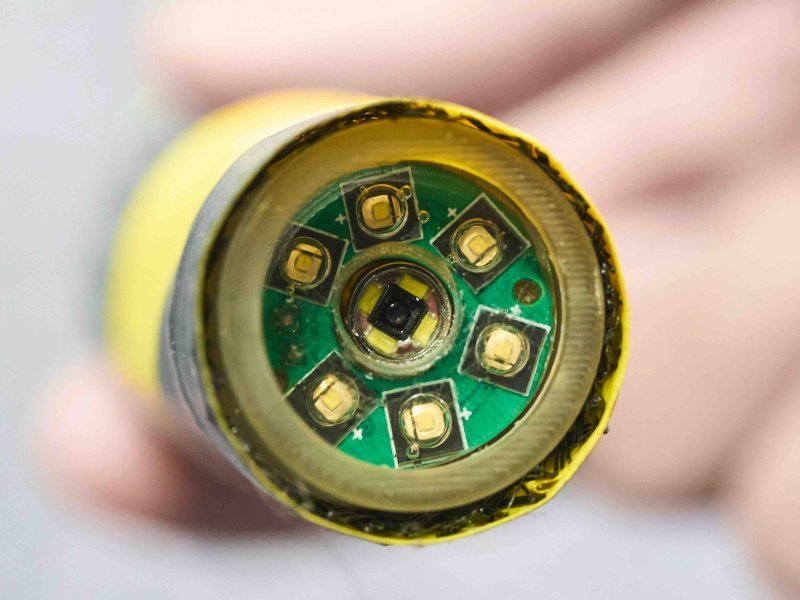
The snake robot is designed to reach areas previously considered inaccessible to human personnel. With a diameter ranging from just 4mm to 40mm and a length extending up to 10 meters, the device is engineered to navigate tight, complex spaces that are often riddled with radiation. Each robot is outfitted with a sophisticated suite of onboard sensors, including high-definition cameras, LED lighting arrays, and radiation dosimeters.
Dr. Xin Dong, an Associate Professor at the University of Nottingham who has dedicated over 14 years to the development of this platform, explains that the robots operate on a high-dexterity control system. “The snake robots are controlled like a puppet on wires with a lot of joints,” Dr. Dong noted. By replacing manual tensioning with precision motors and computer-assisted controls, the engineering team has enabled the robot to achieve fluid, precise movements in extreme conditions. This capability allows the robots to conduct detailed radiation surveys and visual inspections, providing operators with high-quality data while eliminating the need for human exposure to radioactive environments.
Real-World Impact and Economic Efficiency
The deployment of these machines has proven to be a game-changer for nuclear decommissioning efforts. Over the last two years, four of these robots have been actively utilized, contributing to an estimated £5 million in cost savings for the UK nuclear industry. A notable success story involves the use of the technology at the Dounreay site in Scotland, where engineers successfully navigated the device through a narrow 30mm gap to inspect a containment-shielded cell.
The success of the platform is a testament to the university’s commitment to “translational research”—the ability to take theoretical engineering breakthroughs and apply them directly to industrial pain points. Alasdair Cairns, Pro Vice-Chancellor for Research and Knowledge Exchange at the University of Nottingham, emphasized the strategic importance of this development. “The ‘snake robot’ technology builds on many years of pioneering research in robotics, advanced manufacturing and remote inspection,” Cairns said. “Its successful transfer into nuclear decommissioning demonstrates the exceptional value of sustained investment in research capability, facilities, and people.”
Future Outlook for Cross-Sector Technology
As the nuclear industry continues to modernize, the role of robotic automation is becoming increasingly central to regulatory compliance and safety protocols. Currently, the snake robot is undergoing further rigorous testing at various nuclear sites throughout the UK. The goal is to standardize these devices for broader radiation survey applications, potentially extending the robots’ utility to other industries that require non-invasive inspection of delicate or dangerous infrastructure.
By blending advanced robotics with real-world nuclear safety requirements, the University of Nottingham team has provided a blueprint for how academic institutions can drive tangible industrial innovation. With the Game Changers award serving as a validation of their methodology, Dr. Dong and his team are now looking ahead to the next phase of deployment, aiming to increase the efficiency of decommissioning projects and further minimize the risks associated with the handling of nuclear materials. This project serves as a prime example of how intelligent mechanical design, supported by robust computational controls, continues to push the boundaries of what is possible in modern, high-stakes industrial environments.
Disclaimer: This content is auto-generated for informational purposes only.
Source: Read Original News