









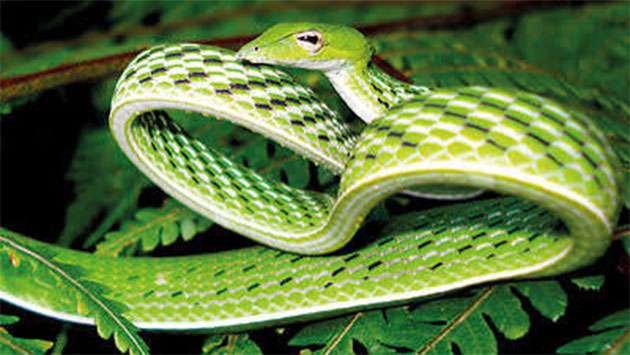
GENEVA – A major scientific assembly has placed a spotlight on the critical conservation status of 63 endemic snake species, marking a pivotal moment in global herpetology and biodiversity protection. The announcement, delivered during a high-level session at the Global Congress on Wildlife Conservation, underscores the urgent need for international intervention to prevent the extinction of these uniquely regional reptiles.
The 63 species in question, many of which are exclusive to sensitive habitats across South Asia and parts of the Indo-Pacific, have long been overshadowed by larger, more charismatic megafauna. Experts at the congress warned that these snakes, while often ignored by the general public, occupy vital ecological niches as both specialized predators and essential components of the food web. Their decline, often driven by habitat fragmentation, illegal wildlife trade, and the accelerating impacts of climate change, is now being viewed as a bellwether for the health of their respective ecosystems.
“We are looking at a group of species that are remarkably fragile because they exist nowhere else on Earth,” said Dr. Elena Rossi, lead researcher on the biodiversity steering committee. “When a snake is endemic to a single valley or a specific type of montane forest, the loss of even a few hectares of land can spell the difference between survival and total extinction. These 63 species are effectively the silent casualties of modern development.”
The data presented during the congress highlighted a harrowing trend: nearly half of the identified snakes are now classified as ‘critically endangered’ or ‘data deficient,’ leaving researchers racing against the clock to map their populations before they disappear. Among those highlighted are several rare arboreal vipers and fossorial species—snakes that live underground—which are particularly susceptible to shifting soil temperatures and moisture levels.
Delegates at the congress are calling for the implementation of immediate, localized protection zones. The proposed strategy involves a three-pronged approach: the establishment of community-managed corridors to connect isolated habitats, a crackdown on the illicit pet trade that specifically targets rare, endemic morphs, and a significant increase in funding for field surveys.
“The visibility of these species at such a global forum is a breakthrough,” noted conservation strategist Marcus Thorne. “For years, the ‘snake bias’—whereby conservation funding flows to mammals and birds—has left these reptiles in a vacuum of support. By placing these 63 endemic species at the heart of our conservation policy, we are acknowledging that a functional ecosystem requires every thread of its tapestry, including the slithering ones.”
The congress is expected to conclude with a resolution to draft a Global Reptile Protection Initiative, which would see member nations commit to specific baseline protection standards for endemic species by the end of the year. As the session continues, the message remains clear: for these 63 species, the time for oversight has ended, and the time for decisive action has arrived.
Disclaimer: This content is auto-generated for informational purposes only.
Source: Read Original News