






The Scope of the Connectivity Disruption
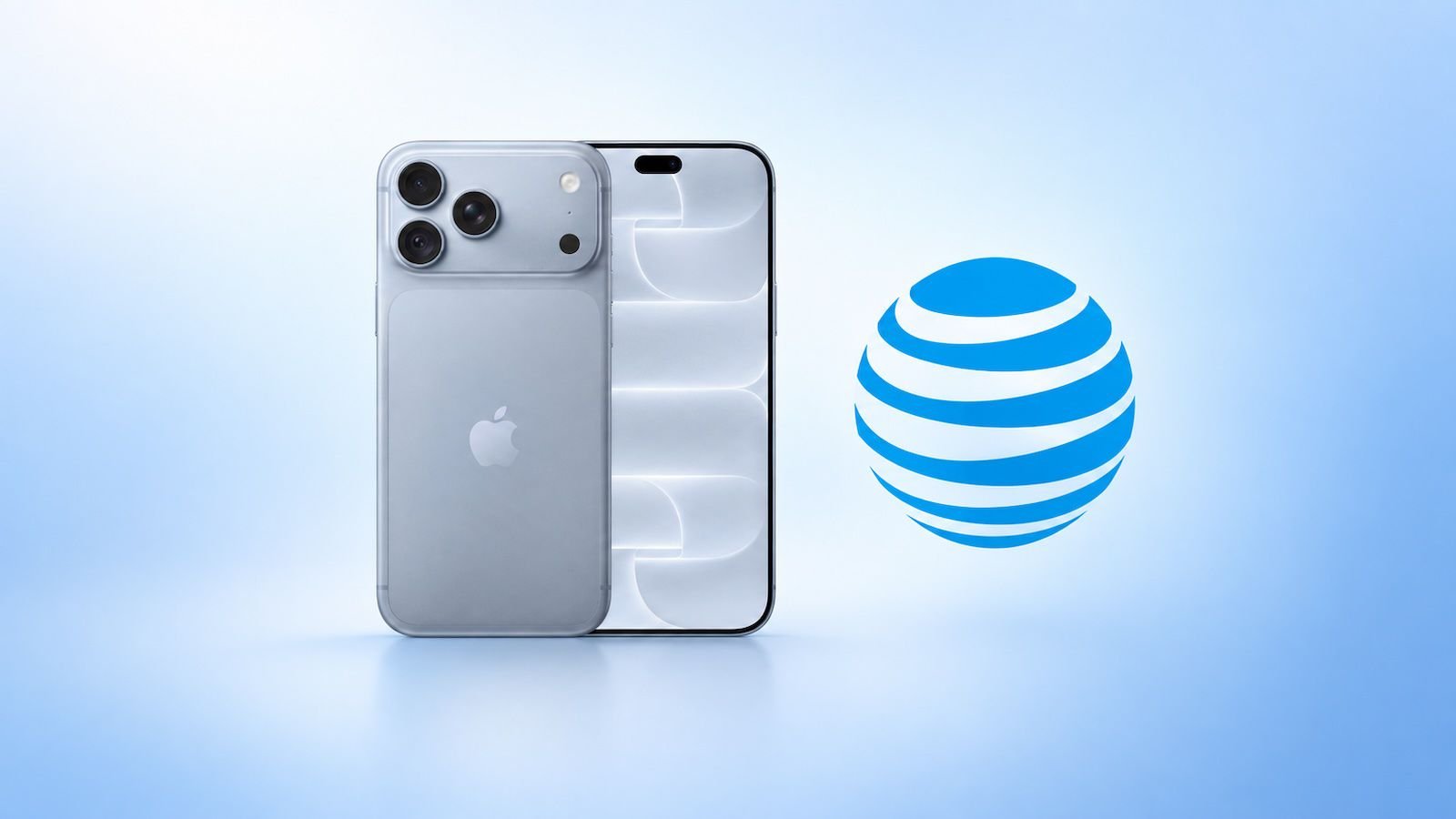
AT&T has officially acknowledged a persistent technical conflict affecting the iPhone 18 Pro Max, causing significant cellular connectivity failures for a subset of its subscriber base. The issue manifests as a complete loss of network service, rendering the device incapable of placing phone calls, sending or receiving text messages, or accessing mobile data. In many instances, these devices are forced into a persistent SOS mode, which severely limits the utility of the hardware and prevents users from accessing essential communication channels, including emergency services.
The scale of the problem has reached thousands of verified reports across various technical forums and community support boards. Users have documented a range of symptoms, from intermittent signal drops to a total inability to register with the AT&T network. The situation is particularly critical given that these devices, despite being the flagship offering of the current generation, are failing to perform the primary function for which they were purchased.
Recommended Software Mitigation
In response to the growing influx of complaints, AT&T has issued a direct communication to affected customers, urging them to install the latest software patch, iOS 27.0.1. The directive from the carrier emphasizes the urgency of the situation, particularly noting the inability of some devices to process calls to 911. The update is accessible via the device Settings under General and Software Update.
However, the efficacy of this patch remains a subject of intense debate among the user community. While AT&T points toward the software update as the primary solution, initial field reports from users suggest that the installation of iOS 27.0.1 does not consistently resolve the underlying connectivity error. Furthermore, the official release documentation from Apple regarding the 27.0.1 update focuses primarily on an unrelated patch for a Face ID authentication issue on the iPhone 18 Pro series, leaving a notable void in the technical explanation regarding cellular stabilization.
Hardware Architecture and Modem Disparities
A technical point of interest regarding this issue is the specific hardware configuration of the United States version of the iPhone 18 Pro Max. Unlike its counterparts in other global markets, which utilize Apple’s proprietary C2 modem, the U.S. version of the iPhone 18 Pro Max is built with the Qualcomm X80 cellular modem. This distinct hardware architecture makes the U.S. model unique among the new device lineup, as the base iPhone 18 Pro and the iPhone Duo models operate on the Apple-designed silicon in all regions.
While a correlation between the modem hardware and the connectivity failure has not been formally confirmed, industry observers are closely monitoring this distinction. If the root cause is tied to the Qualcomm X80’s firmware or its integration with AT&T’s network infrastructure, the complexity of the resolution increases significantly. A software-based workaround may prove insufficient if there is an incompatibility at the baseband or radio frequency layer, requiring a more profound investigation into how the modem interfaces with the carrier’s specific frequency bands.
Potential Consequences of Hardware Failures
The industry remains in a state of cautious observation regarding the long-term implications of these reports. If the root cause is determined to be a software bug within the modem’s firmware stack, Apple will likely be forced to roll out a subsequent patch, such as an iOS 27.0.2 update, designed to optimize the handshake between the modem and the carrier network.
Conversely, if the diagnostic reveals a fundamental hardware defect or a design flaw in the antenna or transceiver circuitry specific to the U.S. model, the situation could escalate into a major logistical challenge for Apple and its retail partners. A large-scale hardware recall or a widespread exchange program would be a rare and costly endeavor for the manufacturer. For now, the lack of a public statement from Apple regarding the hardware components keeps the focus strictly on software troubleshooting, though the urgency of the situation suggests that internal engineering teams are likely prioritizing a resolution.
The Irony of Digital Notifications
The current situation highlights a peculiar paradox in modern telecommunications infrastructure: the reliance on mobile networks to alert users that their mobile networks are failing. By sending SMS messages to notify iPhone 18 Pro Max users of a critical connectivity update, AT&T is utilizing the very channel that is prone to failure for a significant portion of its target audience. This creates a challenging bottleneck where those in the most desperate need of the fix—those currently trapped in an offline, SOS-only state—are the individuals least likely to receive the notification intended to guide them toward a solution.
Looking Toward a Resolution
As the situation develops, users are encouraged to maintain vigilance for further software updates. If the installation of the current patch does not yield results, it is advised to document the frequency of signal loss and coordinate with technical support from either Apple or AT&T to ensure that the issue is logged in the company’s official tracking systems. As more telemetry data becomes available from the devices experiencing these interruptions, both the carrier and the manufacturer will gain a clearer picture of the variables contributing to the failure, hopefully paving the way for a definitive stability patch. Until then, users experiencing these issues should consider using Wi-Fi calling as a temporary fallback, provided they have access to a reliable wireless network to circumvent the cellular modem’s current shortcomings.
Disclaimer: This content is auto-generated for informational purposes only.
Source: Read Original News