






Nationwide Protests Erupt Over Electoral Roll Revisions
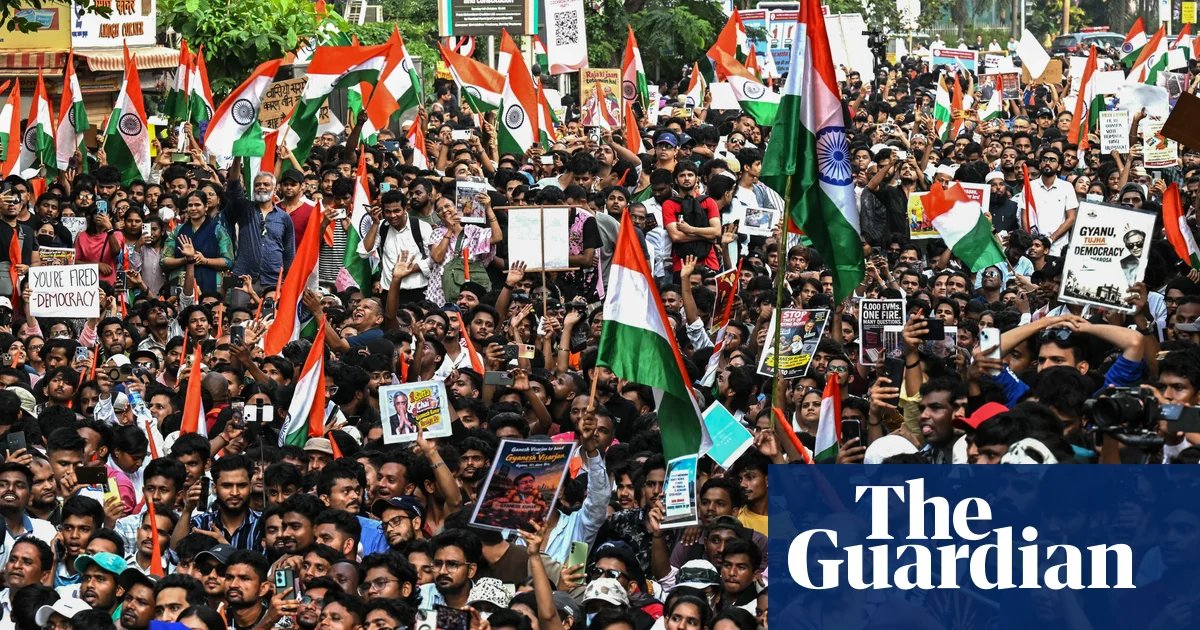
A growing grassroots movement, now formally operating under the banner of the “Cockroach Janata Party,” has launched a fresh wave of nationwide demonstrations against the Indian government. The youth-led campaign, which gained significant political traction after successfully pressuring the national education minister to resign in July, is now setting its sights on the integrity of India’s democratic processes.
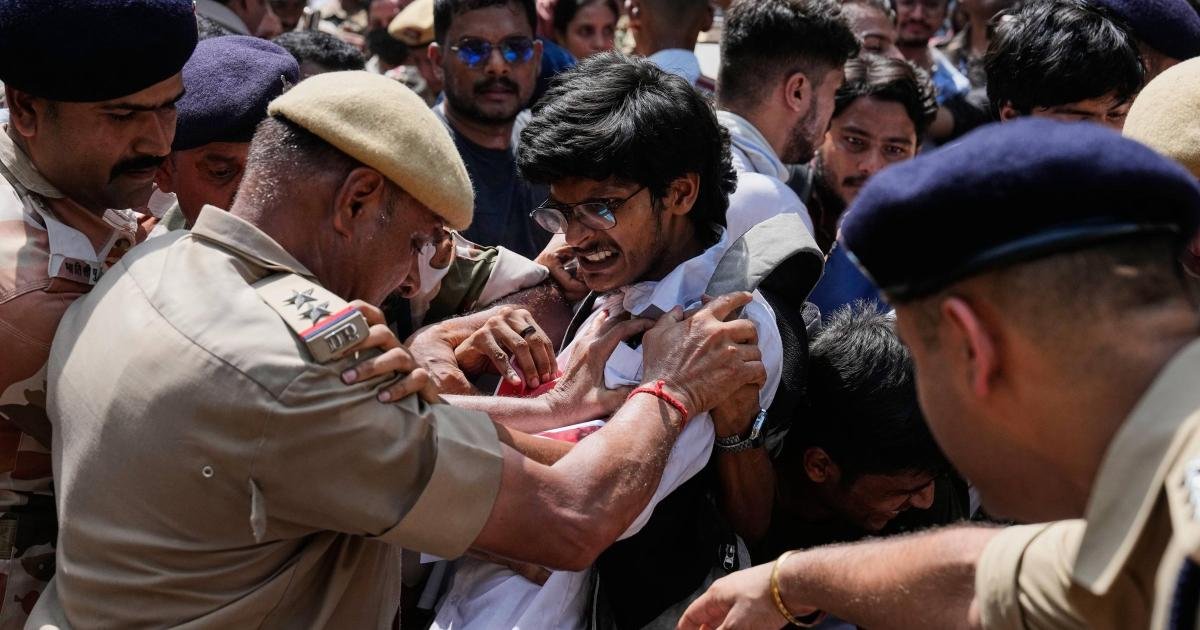
On Friday, demonstrators gathered in Mumbai to signal the start of a coordinated nationwide protest campaign. Simultaneously, in New Delhi, a coalition of student activists and civil society groups assembled at Jantar Mantar—the capital’s primary protest site—to demand immediate transparency regarding the current electoral roll revisions.
Mounting Pressure on the Election Commission
At the heart of the unrest is the “Special Intensive Revision” (SIR) of voter rolls, a process currently being managed by the Election Commission of India. Opposition parties and activists have accused the commission of manipulating voter registrations to unfairly bolster the electoral prospects of Prime Minister Narendra Modi’s Bharatiya Janata Party (BJP). Both the commission and the central government have categorically denied these allegations of bias.
Tensions reached a boiling point following reports from The Indian Express, which alleged that two of the three serving election commissioners had formally challenged the legality of several recent procedural changes. According to the report, Chief Election Commissioner Gyanesh Kumar bypassed his colleagues’ objections, despite the legal requirement that the three-member body reach decisions through a majority vote. The commission has since disputed the report, characterizing the events as routine “deliberations” rather than formal dissent.
Voter Disenfranchisement Concerns
The Special Intensive Revision process, which originated in the state of Bihar before expanding across the country, has drawn intense scrutiny regarding its documentation requirements. Critics argue that the new criteria are overly complex and bureaucratic, creating significant hurdles for citizens attempting to verify their eligibility.
Data released by the Election Commission indicates that in certain regions, the total number of registered voters could plummet by as much as 30%. While officials insist the purge is necessary to remove duplicate and ineligible entries, skeptics fear it will effectively disenfranchise millions of legitimate voters, particularly in marginalized communities.
From Student Anger to Political Force
The movement driving these protests originated earlier this year, fueled by a potent mix of public frustration over record-high youth unemployment and a series of high-profile examination paper leaks. Led by activist Abhijeet Dipke, the movement quickly evolved from a digital campaign into a formidable political force.
Following the successful ousting of the education minister earlier this summer, the “Cockroach Janata Party” has broadened its scope. By moving beyond education-specific grievances to target the broader issues of governmental accountability and the independence of electoral institutions, the movement has placed the Election Commission under unprecedented public pressure. As demonstrations continue to spread, the government faces a deepening challenge in maintaining public confidence in the institutions governing the world’s largest democracy.
Disclaimer: This content is auto-generated for informational purposes only.
Source: Read Original News