








A wave of extreme weather events is sweeping across the globe this week, with severe flooding, landslides, and powerful storms causing significant disruption and loss of life across Europe, Asia, and North America. Meteorologists and disaster management authorities are struggling to respond as high-impact weather patterns, fueled by shifting atmospheric conditions, hit multiple continents simultaneously.
In eastern Spain, authorities are bracing for a major weather event known as a “Dana”—an isolated depression at high altitudes—which is expected to bring torrential rain and catastrophic flooding. The phenomenon occurs when cold, upper-level air masses collide with warm, humid air rising from the Mediterranean Sea, creating volatile and slow-moving thunderstorms.
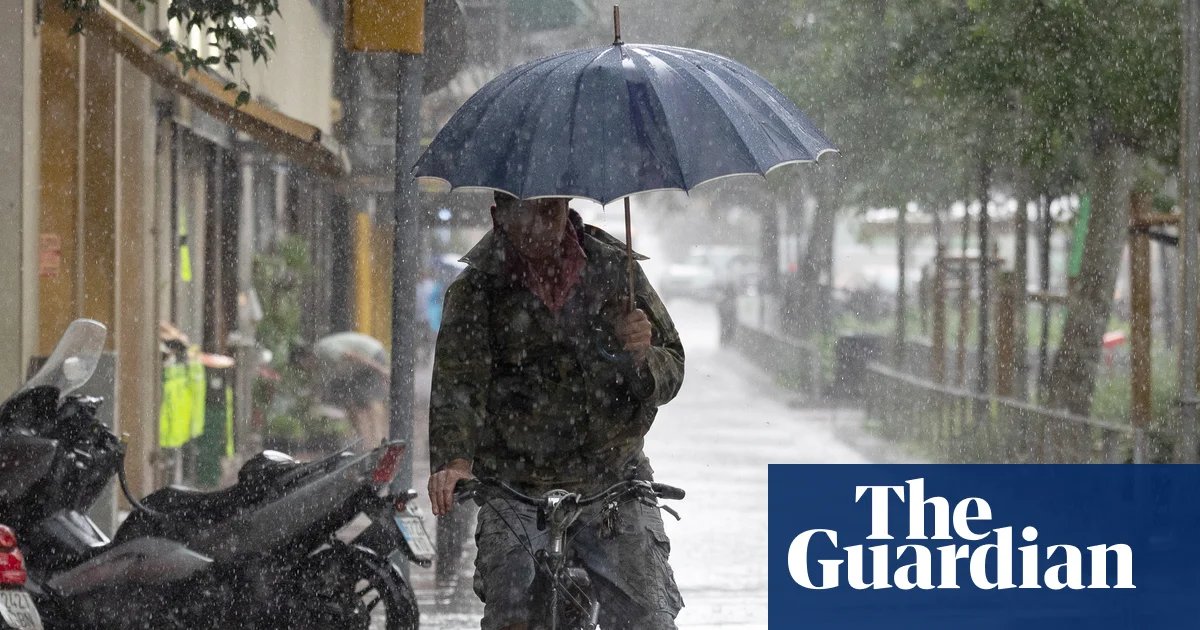
Weather models indicate that some regions could face between 200mm and 300mm of rainfall, putting cities like Valencia and Castelló de la Plana at high risk. Given that Valencia has suffered from repeated damaging floods in recent years, local officials are taking proactive measures to prevent further loss of life. Schools across the region have been shuttered for nearly half a million children, and in neighboring Catalonia, several towns have been placed under lockdown as the storm approaches.
The human toll of extreme rainfall is already stark in South Asia, where Nepal has been reeling from a series of disasters. According to the National Disaster Risk Reduction and Management Authority, 542 disaster incidents were recorded between September 24 and 27, resulting in 27 deaths. The majority of these tragedies were caused by 304 separate landslides and 87 instances of flash flooding.
The scale of the deluge in Nepal was historic, with 186 meteorological sites recording over 100mm of rain. In Lumbini province, the town of Dedhgaun reported a staggering 544.2mm of rainfall. While government efforts to alert the public were vast—nearly a million people received SMS flood warnings and 2,000 residents were relocated from high-risk zones—the landscape remains vulnerable.
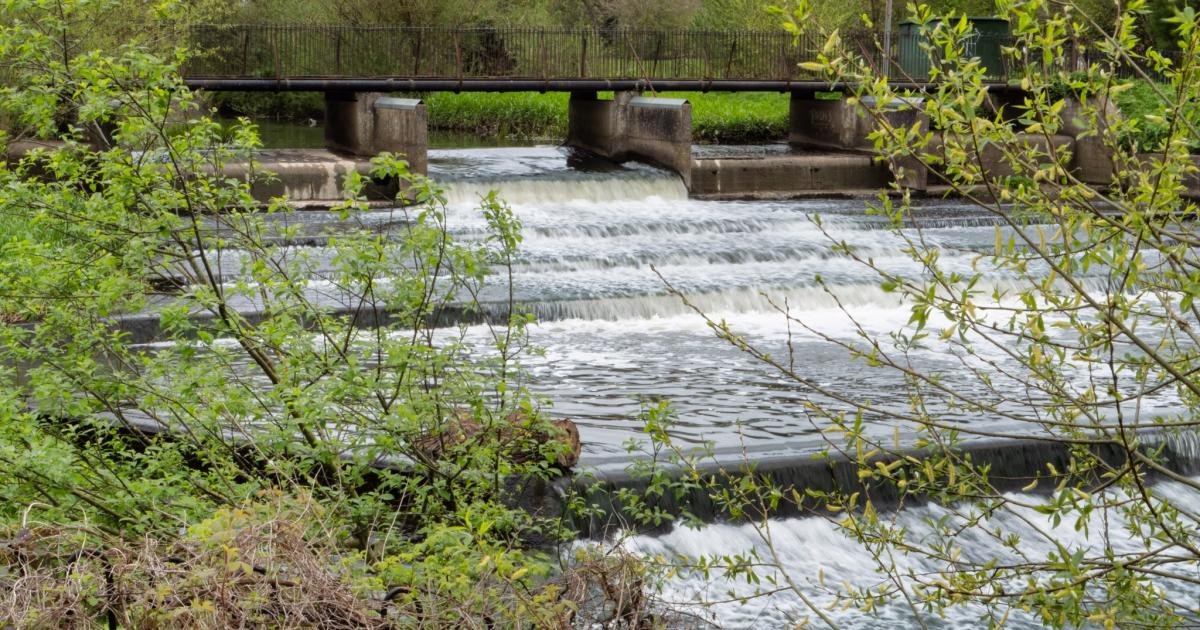
The cascading effects of the South Asian rains have extended into India, where the Gandak River in Bihar reached a record water level of 91.25 meters on Tuesday. This surpassed the previous high, set only last year in 2024, by 0.35 meters. Engineering teams are currently engaged in a desperate effort to reinforce embankments, having already repaired 169 seepage points to prevent a full-scale breach as water pressure continues to mount.
Meanwhile, the United States is dealing with the aftermath of the first major “nor’easter” of the autumn season. The deep low-pressure system, characterized by intense north-easterly winds, battered the northeast coast on Saturday with gusts peaking at 74mph (119km/h) and waves reaching 3 meters in height. The storm crippled infrastructure, leaving approximately 200,000 people without power and inundating streets across New York City. Tragically, one fatality was reported in Brooklyn after a tree collapsed during the storm.
Amidst the destruction, the nor’easter briefly turned the spotlight on historical archives. The sheer force of the tide and coastal erosion unearthed the wreckage of the Warren Sawyer, a three-masted ship that sank in 1884. The remains of the vessel washed ashore on Nantucket, Massachusetts, serving as a reminder of the power these storms have wielded over coastal communities for centuries.
As these disparate regions navigate their respective crises, climate experts are increasingly pointing to the heightened intensity of these weather systems. Whether it is the Mediterranean’s Dana or the nor’easters of the Atlantic, the convergence of warm ocean temperatures and atmospheric instability continues to push emergency services and urban infrastructure to their absolute breaking points.
Disclaimer: This content is auto-generated for informational purposes only.
Source: Read Original News