





Silent Guardians: The Women Fighting Uttarakhand’s Escalating Forest Fires
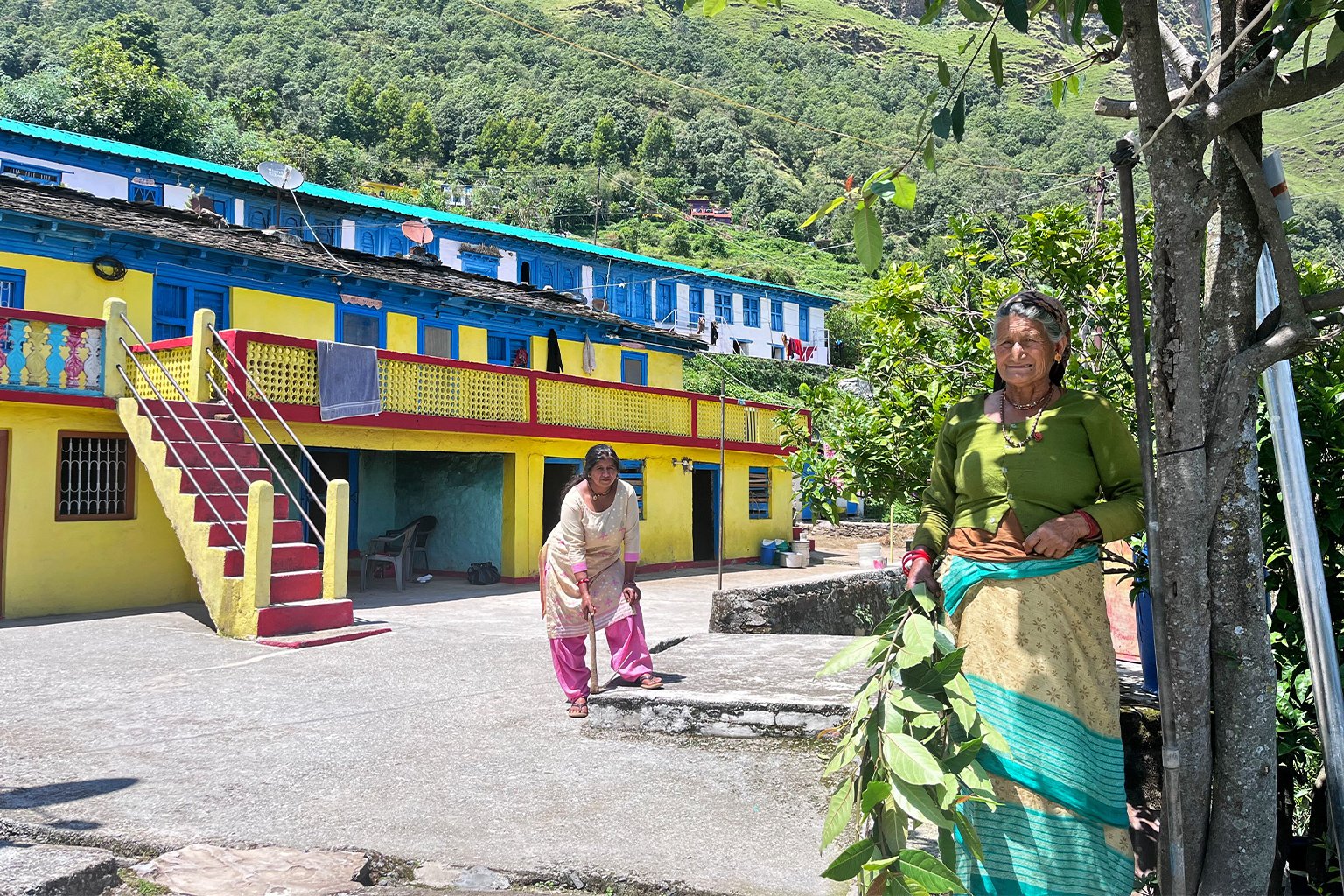
As climate change accelerates the warming of the Western Himalayas, the state of Uttarakhand has found itself at the epicenter of a growing environmental crisis. While authorities struggle to manage the intensifying wildfire season, the real battle on the ground is being fought by a demographic often overlooked: the women of rural mountain villages. Left to manage farms and livestock while men migrate to cities for employment, these women have become the unofficial, unpaid, and ill-equipped first responders to forest fires.
The Frontline Reality
Uttarakhand’s geography is dominated by vast, forested landscapes that provide essential resources like water, fuel, and fodder. However, the region is now experiencing high-elevation warming that outpaces global averages, pushing fire seasons deeper into the winter months.
Kavya Pandey, a researcher with the Bengaluru-based Centre for Wildlife Studies, notes that women are disproportionately affected due to their traditional roles. Because their daily routines involve gathering firewood from the deep forests, they are inevitably the first to witness the inception of a blaze. Often lacking access to modern communication or emergency infrastructure, these women rely on age-old methods to alert one another. A series of whistles or rhythmic ululations serves as a siren, prompting groups of women to drop their chores and rush to the smoke.
A Battle With Household Tools
The methods employed by these rural volunteers are as primitive as they are brave. Lacking professional firefighting gear or fire-resistant suits, they confront roaring flames dressed in everyday synthetic sarees. The toll on their health is severe; many suffer from chronic respiratory issues due to smoke inhalation, eye irritation, and physical injuries ranging from burns to lacerations.
Their primary tactical tool is the jhapa—a bundle of green branches used to beat back flames. In more intense situations, they utilize traditional agricultural sickles to create fire lines, physically separating dry brush from the advancing front to starve the fire of fuel. Despite the danger, their efforts are rarely acknowledged with formal training or compensation. While seasonal fire watchers are sometimes hired, these positions predominantly go to men, leaving the women to protect their livelihoods at their own personal risk.
Community-Led Success
Despite the lack of institutional support, some villages have turned the tide through collective organization. Under the leadership of local van panchayats—community-managed forest councils—women are shifting the focus from reaction to prevention.
Kamla Devi, a council head in Marhmanley village, has demonstrated that empowering women can lead to tangible safety improvements. By educating residents on controlled burning practices and strictly managing how brush is cleared, her community has successfully kept their surroundings free of major blazes for three consecutive years.
“Before, people burned brush haphazardly,” Kamla says, emphasizing the shift toward planned, community-led management.
As the Himalayan ecosystem faces permanent changes due to rising temperatures, the story of these women highlights a stark paradox: those least responsible for climate change are the ones bearing the heaviest burden of its consequences. Their resilience underscores an urgent need for local authorities to provide these frontline defenders with the training, equipment, and formal recognition necessary to protect both their homes and the vital Himalayan forests.
Disclaimer: This content is auto-generated for informational purposes only.
Source: Read Original News