








India’s Climate Resilience at Crossroads: A Focus on Sustainable Infrastructure
As the effects of global climate change become increasingly visible across the Indian subcontinent, the nation is facing a critical juncture in how it designs, builds, and maintains its infrastructure. From the erratic monsoon patterns causing flash floods in the Himalayan north to the sweltering heatwaves gripping the industrial heartlands of the west, the demand for “climate-resilient” construction has transitioned from an academic discussion to a national emergency.
The Cost of Climate Volatility
Recent meteorological data suggests that India is experiencing a higher frequency of extreme weather events than in previous decades. For urban planners, this creates a formidable challenge: how to retrofit colonial-era drainage systems and rapidly expanding metropolitan landscapes to withstand unprecedented rainfall. In cities like Bengaluru, Mumbai, and Delhi, the intersection of rapid urbanization and poor ecological planning has led to recurrent waterlogging, paralyzing economic activity and causing significant damage to private and public property.
Experts argue that the current engineering models are largely reactive rather than proactive. By shifting toward “sponge city” concepts—a framework that prioritizes permeable surfaces, wetlands, and urban forestry—India could potentially mitigate the impact of urban flooding. However, implementing such changes requires a fundamental overhaul of municipal governance and a significant allocation of budgetary resources toward green infrastructure.
Balancing Growth and Sustainability
The Indian government has made ambitious strides in its commitment to renewable energy and sustainable development. Initiatives such as the National Solar Mission and the promotion of green building certifications, like IGBC (Indian Green Building Council) ratings, indicate a growing consciousness within the private sector. Nevertheless, the scale of India’s infrastructure needs is immense. As the country moves toward becoming a $5 trillion economy, the tension between rapid industrialization and the preservation of fragile ecosystems remains palpable.
“We cannot afford to view climate resilience as a luxury,” says Dr. Anjali Mehta, a policy analyst specializing in environmental infrastructure. “It is an economic imperative. If our logistics, power grids, and housing aren’t built to last through climate extremes, the long-term cost of reconstruction will far outweigh the initial investment in sustainable building practices.”
Local Solutions for Global Challenges
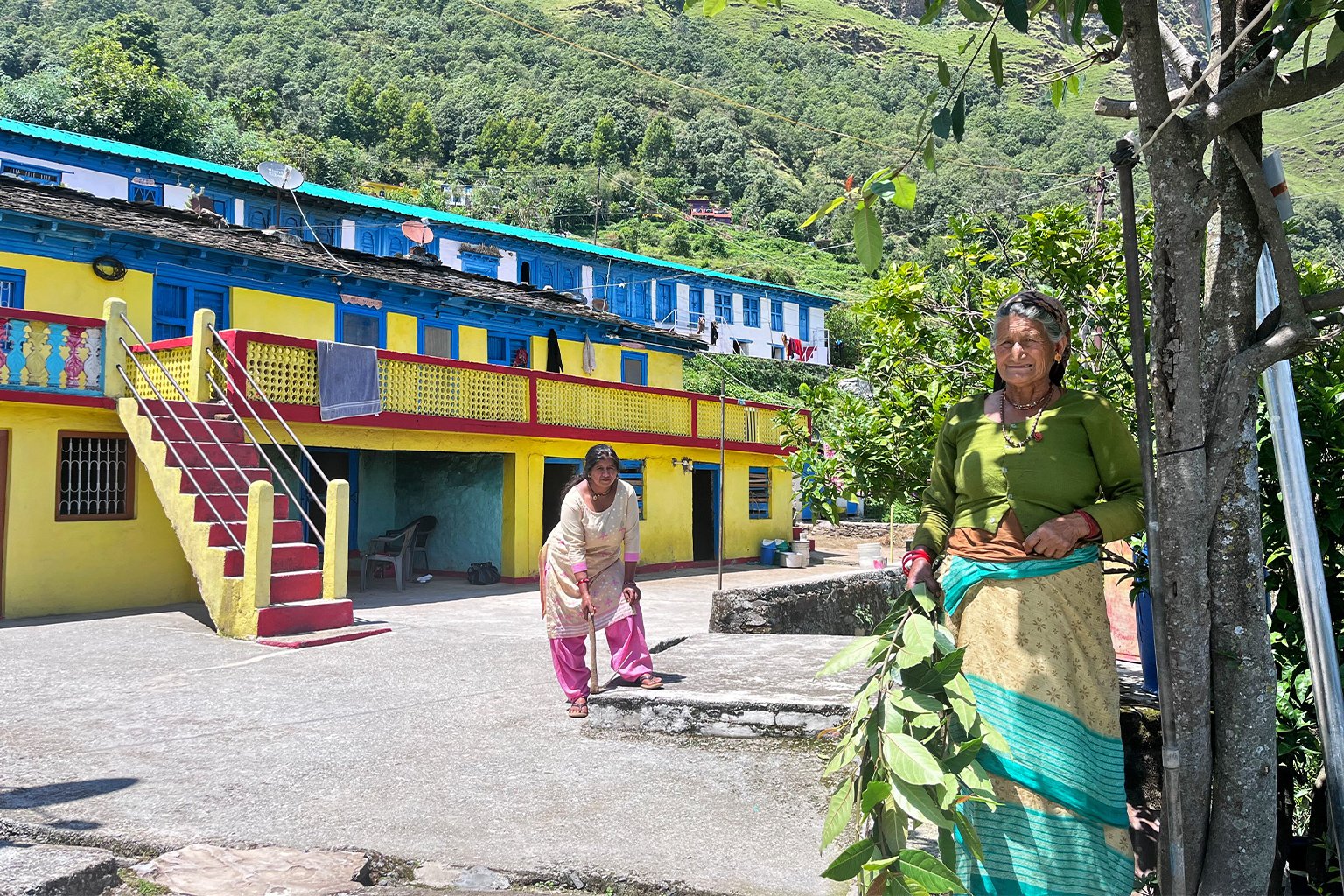
While federal policies set the stage, the most innovative solutions are currently emerging at the state and grassroots levels. Communities in coastal regions are increasingly experimenting with traditional architecture that utilizes locally sourced materials, which often provide better thermal regulation than modern concrete. Similarly, decentralized water management systems in arid states like Rajasthan are serving as models for how rural populations can adapt to depleting groundwater levels.
The transition to a climate-resilient India will require more than just engineering solutions; it demands a shift in civic behavior. Urban planning must integrate citizen participation to ensure that green spaces are maintained and that water-efficient practices become the norm rather than the exception.
As India prepares to navigate the remainder of the decade, the focus must remain on integrated planning. By blending cutting-edge technology with traditional ecological wisdom, the country has the opportunity to create a sustainable blueprint for the rest of the developing world. The challenge is immense, but the path forward is increasingly clear: development that does not account for the climate reality is simply not sustainable.
Disclaimer: This content is auto-generated for informational purposes only.
Source: Read Original News