









Rajasthan HC Mandates Maintenance: Widow Must Share Salary with In-Laws Following Breach of Undertaking
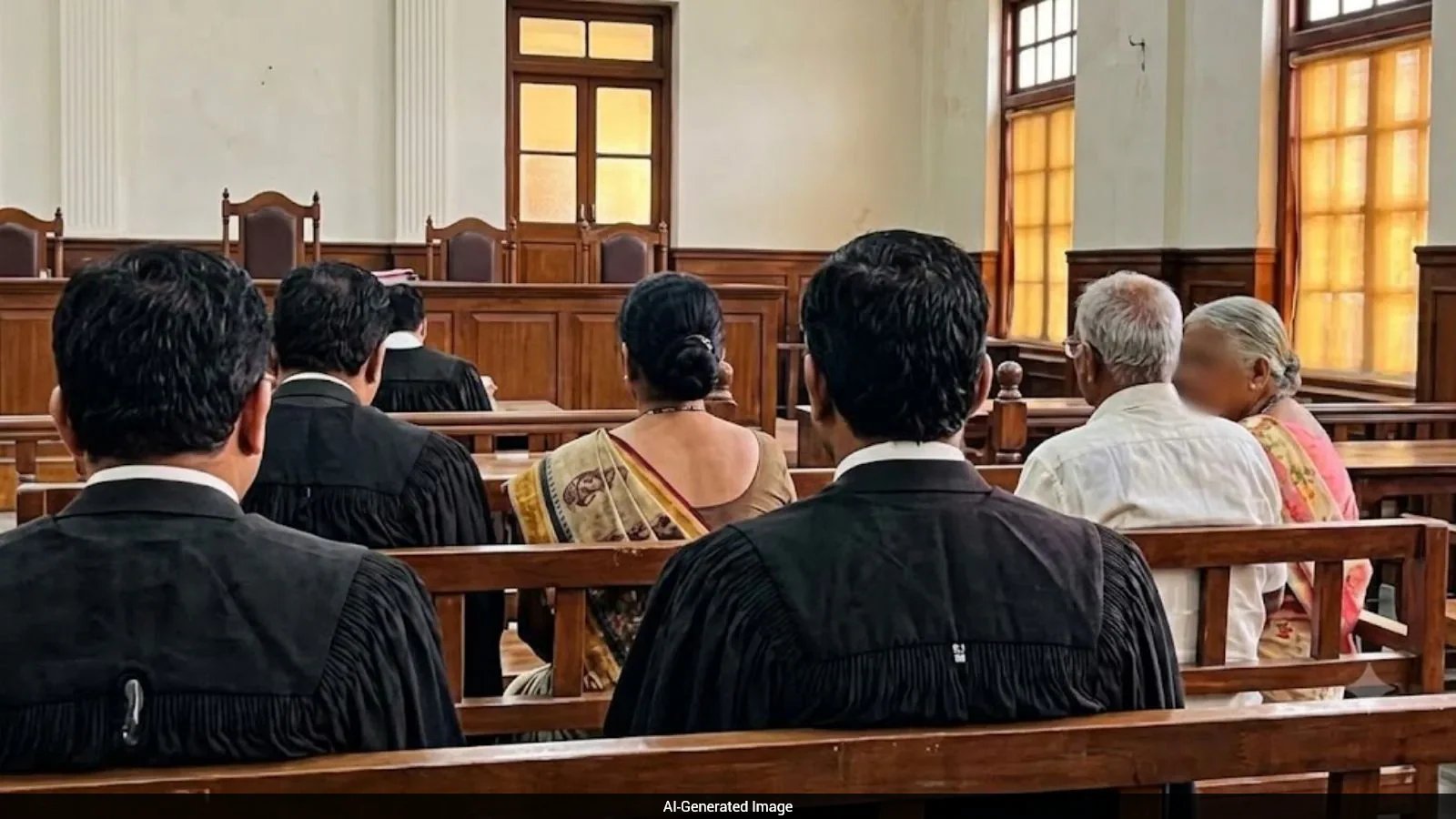
In a significant legal ruling that highlights the obligations tied to compassionate appointments, the Rajasthan High Court has ordered a woman to pay 25 per cent of her monthly salary to her mother-in-law. The court’s directive follows a breach of an affidavit the woman signed in 2017 to secure a government position after the sudden death of her husband.
Breach of Contract and Personal Conduct
The case pertains to a woman who, following the demise of her husband in 2017, sought employment with the Ajmer Vidyut Vitran Nigam Limited (AVVNL) under the government’s compassionate appointment scheme. As a prerequisite for obtaining the job, the woman submitted a formal undertaking, promising that she would shoulder the responsibility of caring for her deceased husband’s family, specifically her elderly parents-in-law, who were facing acute financial hardship.
However, the legal petition filed by the mother-in-law alleged that the woman’s commitment was short-lived. According to the petitioner, the woman moved out of the matrimonial home shortly after securing the position. Matters escalated when the woman remarried while continuing to hold the government post, effectively severing ties with her late husband’s family and failing to provide the promised financial or emotional support.
Court’s Firm Stance on ‘Family’
During the proceedings, the Rajasthan High Court scrutinized the intent behind compassionate employment schemes. The bench observed that the primary objective of such appointments is to provide immediate relief to a grieving family left in a state of financial crisis due to the sudden loss of a breadwinner.
The court explicitly clarified that the concept of “family” in the context of these appointments is not limited to the surviving widow. It noted that the job was granted to her on the specific condition of providing for her in-laws, and having benefited from that arrangement, the woman cannot unilaterally discard those obligations. The court ruled that by securing the job through a sworn affidavit, the woman became legally and morally bound by its terms.
Direct Disbursement and Terminal Benefits
To ensure compliance and financial security for the elderly parent, the High Court directed the AVVNL to directly deposit 25 per cent of the woman’s monthly salary into her mother-in-law’s bank account. This mechanism bypasses potential disputes, ensuring the funds reach the intended beneficiary consistently.
Furthermore, the court ordered that all terminal benefits associated with the late employee’s service—which were payable upon his death—must be divided equally between the widow and the mother of the deceased.
Advocate Amitraj Kaushal, representing the mother-in-law, emphasized that the verdict serves as a crucial reminder that beneficiaries of compassionate appointments cannot treat such positions as purely personal gains. By failing to uphold the conditions stipulated at the time of her hiring, the woman essentially prompted the court’s intervention to ensure that her elderly in-laws were not left to fend for themselves after the loss of their son.
This ruling sets a precedent for cases involving compassionate appointments, reinforcing that such government measures are intended to sustain the entire family unit, and non-compliance with maintenance undertakings will be strictly addressed by the judiciary.
Disclaimer: This content is auto-generated for informational purposes only.
Source: Read Original News