





As Winter Smog Looms, North India Faces a Perennial Air Quality Crisis
As the monsoon retreat signals the onset of winter in Northern India, the National Capital Territory (NCT) of Delhi is once again bracing for the “toxic season.” Despite the rollout of a scientifically revamped pollution mitigation plan, experts warn that the 23.3 million residents of the capital are unlikely to see a respite from the hazardous air quality that characterizes the year’s end. While local initiatives are gaining structure, the region remains hostage to atmospheric conditions and unchecked agricultural practices beyond its borders.
The Limits of Urban Intervention
Delhi’s latest strategy builds upon the Graded Response Action Plan (GRAP), focusing on stricter vehicle emissions checks, industrial oversight, and construction bans. In a notable shift toward technology-driven policy, the administration has begun mandating Pollution Under Control (PUC) certificates for fuel purchases and expanding its network of air quality monitoring stations to 60.
However, the efficacy of these measures is hampered by a fundamental reality: nearly two-thirds of Delhi’s winter pollution originates from external sources. While Delhi attempts to curb local emissions, neighboring states like Punjab, Haryana, Rajasthan, and Uttar Pradesh have largely failed to adopt similar, proactive mitigation frameworks. This lack of regional coordination creates a disconnect where urban policy attempts to solve a systemic, cross-state emergency.
A “Perfect Storm” of Geography and Burning
The seasonal spike in pollution is driven by a “perfect storm” of climatic and human factors. As night temperatures plummet, the phenomenon of thermal inversion acts as a lid over the Indo-Gangetic Plain, trapping pollutants at ground level. This year, the anticipated impact of a Super El Niño is expected to reduce rainfall, further preventing the natural “washing away” of particulate matter that often provides temporary relief.
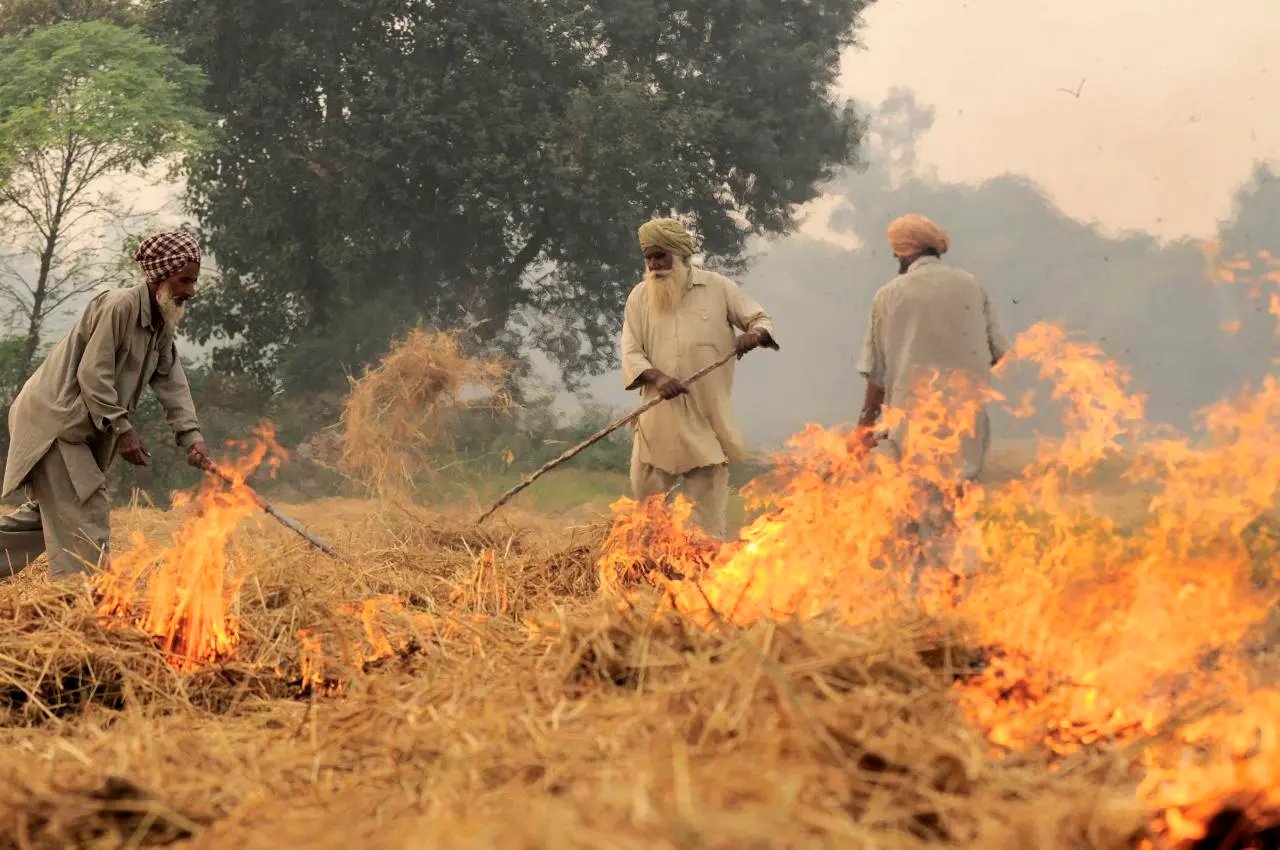
Simultaneously, the harvest cycle has triggered a surge in crop stubble burning. Farmers across the northern plains continue to clear fields by fire to facilitate rapid wheat sowing. Despite satellite monitoring, farmers have increasingly bypassed existing detection systems by scheduling their fires during hours when overhead sensors are inactive. The Commission for Air Quality Management (CAQM) has responded by urging states to utilize drone surveillance, yet these technological fixes struggle to address the underlying economic pressures faced by the agricultural sector.
Political Hesitation and Cultural Hurdles
The challenge of stubble burning is deeply political. In Punjab, where legislative assembly elections are on the horizon, the government is hesitant to enforce strict penalties against farmers—a crucial electoral demographic. While some states have experimented with direct cash benefits and machinery subsidies to encourage farmers to grind residue rather than burn it, the implementation remains inconsistent.
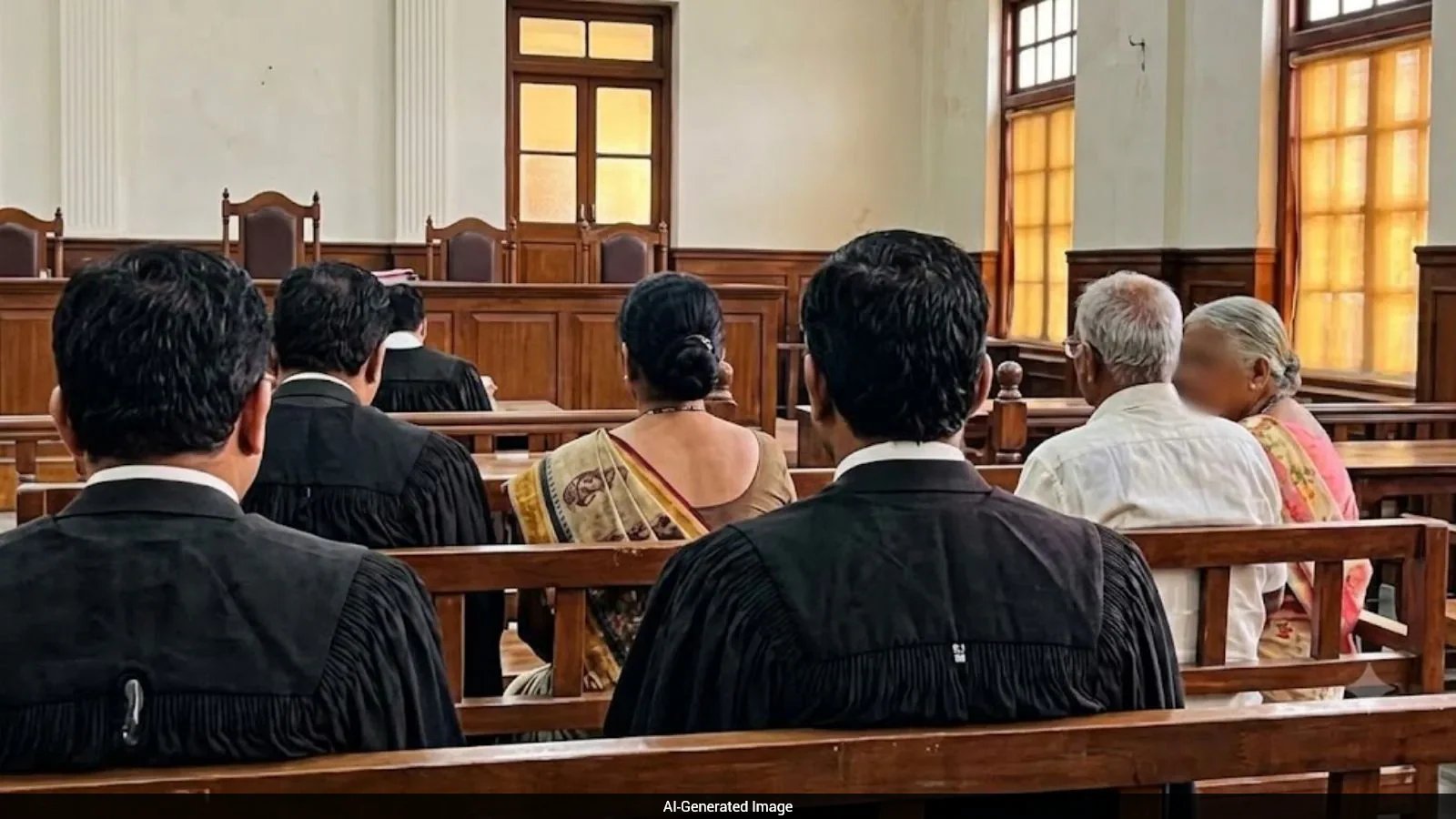
Further complicating the crisis is the approaching Diwali festival. While activists have pushed for a total prohibition on firecrackers to protect public health, the judiciary has opted for a balanced approach, refusing a blanket ban to avoid “hurting sentiments.” This decision ensures that the peak of the farming fire season will likely coincide with the mass discharge of fireworks, delivering a massive, concentrated dose of toxic pollutants to the lungs of half a billion people.
The Path Toward Accountable Governance
Ultimately, the shift toward a “triple-engine” governance model—where central and state authorities are aligned—offers a glimmer of hope for long-term improvement. The focus on electric vehicles, the phasing out of older, polluting fleets, and the move toward data-driven enforcement represent a maturation of India’s environmental policy. However, until the political will exists to address rural fires and festive pollution with the same rigor applied to urban traffic, the winter months will continue to pose a severe, recurring threat to public health across Northern India.
Disclaimer: This content is auto-generated for informational purposes only.
Source: Read Original News