








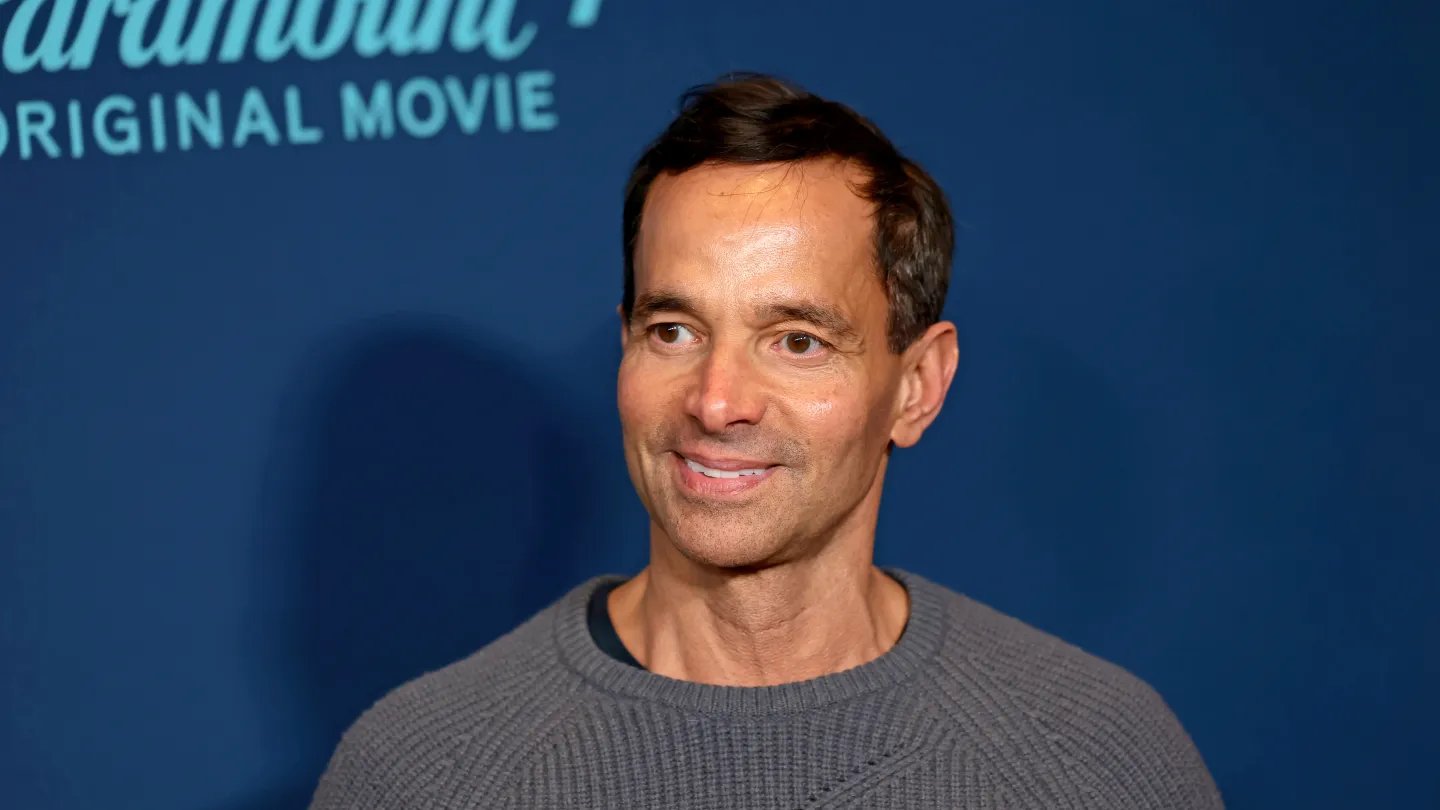
As the entertainment industry stands on the precipice of a massive structural shift, Paramount Global is preparing for a new era defined by consolidation and aggressive fiscal strategy. With the Skydance Media merger slated to close next week, George Cheeks—the last remaining leader from Paramount’s interim “Office of the CEO”—is expected to ascend to a pivotal role overseeing a vast, combined television empire.
Cheeks, who currently manages the CBS Studios portfolio and Paramount’s extensive linear TV assets, is reportedly set to take charge of the newly combined television production arm. This expansion includes oversight of Skydance’s television assets, as well as the formidable catalogs of Paramount TV Studios and Warner Bros. Television.
The New Blueprint for Stability
The elevation of Cheeks marks a definitive departure from the regime of Shari Redstone. During the transition period following the ouster of former CEO Bob Bakish, Cheeks served in a three-way interim leadership team alongside Brian Robbins and Chris McCarthy. Now, as Skydance takes the reins, Cheeks’ mandate is clear: stabilize the ship, streamline operations, and maximize the profitability of existing intellectual property.
The reorganization is expected to be comprehensive. Sources indicate that significant workforce reductions are likely as the company shifts its focus toward harvesting revenue from carriage fees. These funds are earmarked for critical strategic priorities, specifically the ongoing battle for streaming dominance and the urgent need to pay down substantial corporate debt.
Regulatory Challenges and Strategic Shifts
The path forward for the combined entity, which will operate under the Skydance brand, is not without legal complexity. To secure approval from state regulators, Skydance entered into a consent decree with 12 states that had initially challenged the acquisition. A key provision of this agreement mandates that the company must negotiate affiliate agreements for its disparate cable channels—including MTV, Nickelodeon, BET, Comedy Central, CNN, and HGTV—separately. This regulatory wall is designed to prevent the unified media giant from exerting too much leverage over cable distributors, forcing a more fragmented approach to revenue generation than the company might have preferred.
The corporate restructuring has already begun to cause friction at the executive level. Following David Ellison’s announcement regarding the brand’s rebranding to Skydance, reports confirmed that Michael De Luca and Pamela Abdy, the prominent film chiefs at Warner Bros., would be exiting the studio. These departures signal a broader cultural shift as the new ownership installs its own vision for the future of film and television.
Tech Integration and the Streaming Horizon
While the focus remains on legacy media assets, the overarching goal of this merger is to build a competitive powerhouse capable of sustaining modern digital infrastructure. In the current landscape, media companies are increasingly acting as tech-adjacent firms, relying heavily on data analytics, AI-driven content distribution, and sophisticated streaming backends to retain subscribers.
For Cheeks, the challenge lies in balancing the maintenance of linear cash cows—like the cable networks he has managed since November—with the technical demands of a high-growth streaming business. As the company seeks to integrate Skydance’s production workflows with the massive archival libraries of Warner Bros. and Paramount, the use of AI in content scheduling, personalized recommendation engines, and cost-efficient post-production will be vital. By consolidating these production studios under one leadership umbrella, the new Skydance aims to reduce overhead costs while increasing the volume of high-quality content available to feed its digital platforms, ultimately ensuring the combined company can compete with the tech giants that now dominate the entertainment value chain.
Disclaimer: This content is auto-generated for informational purposes only.
Source: Read Original News