









The Unsung Pioneers of the Nintendo 3DS Era
The Nintendo 3DS lifecycle was characterized by a diverse library that bridged the gap between legacy franchises and experimental new intellectual properties. However, the hardware’s later years saw the launch of several titles that, despite technical competency and creative ambition, were overshadowed by the industry’s transition to the Nintendo Switch. Two prime examples, Grezzo’s Ever Oasis and Next Level Games’ Metroid Prime: Federation Force, serve as fascinating case studies in how release timing and audience expectations can dictate the perceived legacy of a software product.
Ever Oasis arrived during a period where Nintendo’s internal studios and third-party partners were exploring niche action-RPG mechanics on the 3DS platform. Developed by Grezzo, a studio best known for its high-quality remasters of The Legend of Zelda, this title represented an original foray into world-building and resource management. Despite positive critical reception, the game struggled to find a commercial foothold. Similarly, Federation Force faced an uphill battle from its inception. Released as a spin-off to a long-dormant franchise during a time of high sensitivity regarding the direction of the Metroid series, it became a lightning rod for community frustration, often obscuring the actual technical merits of its cooperative gameplay loop.
Ever Oasis: A Masterclass in Systems Design
Ever Oasis is a structural experiment that blends real-time action combat with town-building simulations. At its core, the game requires players to manage an oasis in a sprawling desert, recruiting travelers, tending to shops, and venturing into dungeons to gather materials. The technical implementation of the oasis growth mechanic is particularly noteworthy. As players expand their desert sanctuary, the town’s physical layout changes, reflecting the health and population of the settlement.
The combat system relies on a party-based approach where the player controls a primary character while switching between companions to utilize specific elemental affinities and weapon types. This mechanic necessitates a high degree of tactical planning, especially during boss encounters that require specific character abilities to exploit structural weaknesses. The game also utilizes the 3DS hardware to render distinct desert environments, managing lighting and particle effects to create a cohesive atmosphere that differentiates it from traditional fantasy RPGs. While not without minor pacing issues, the game’s loop of exploration and social management offers a depth that remains rare in portable RPGs of that generation.
Federation Force and the Evolution of Co-op Architecture
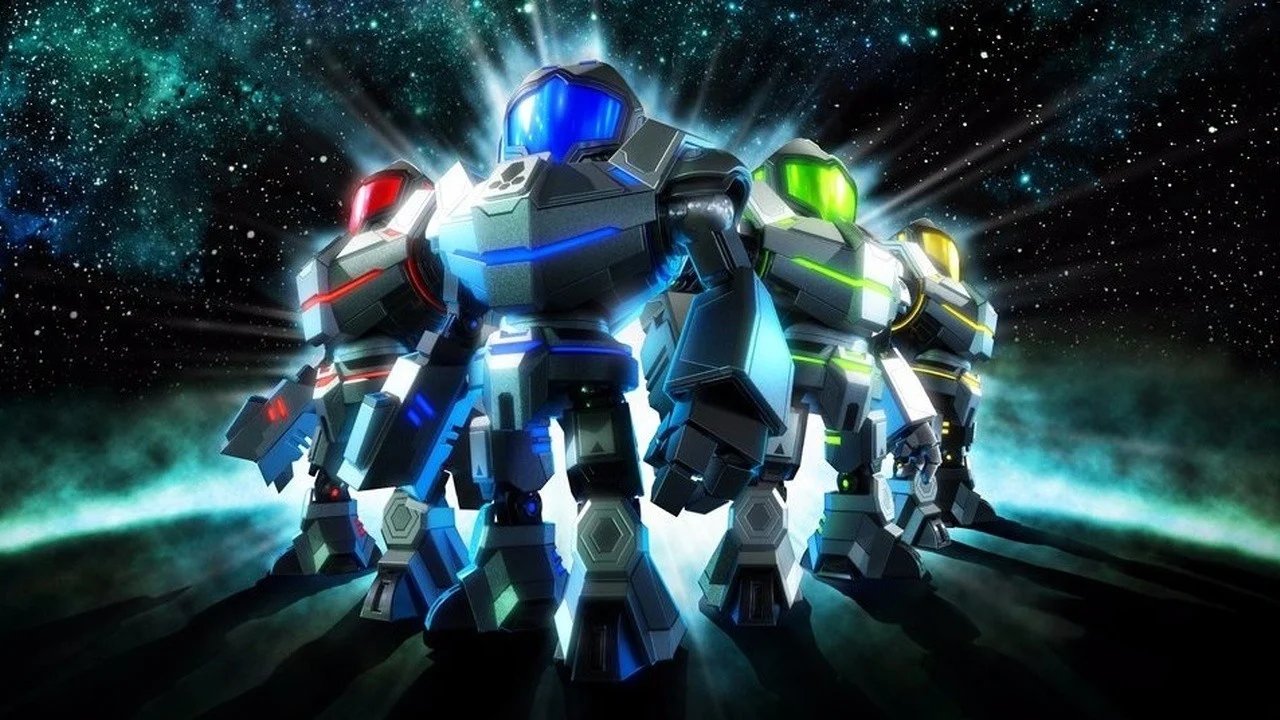
Metroid Prime: Federation Force is frequently cited as a cautionary tale in fan engagement, yet from a purely technical standpoint, it was a sophisticated piece of software. Built using a refined version of the engine that powered the Metroid Prime series, the game focused on four-player cooperative objective-based missions. Each player assumes the role of a Galactic Federation marine, equipped with a Mech—a customizable suit that acts as a conduit for both movement and combat abilities.
The game’s reliance on cooperative mechanics was a departure from the isolationist exploration traditionally found in the series. However, the integration of mod-loadouts allowed for significant strategic flexibility. Players could optimize their mechs for support, tanking, or damage output, creating a meta-game that rewarded team coordination. By offloading the burden of exploration onto team-based objectives, the game provided a distinct gameplay experience that, in hindsight, functioned as a precursor to the modern wave of squad-based shooters. Its primary challenge was not its mechanics, but the disconnect between its experimental nature and the specific desires of the core fanbase during a seven-year drought for the franchise.
The Impact of Release Timing on Software Perception
The failure of both titles to reach a wider audience can be largely attributed to the hardware transition period in 2017. When the Nintendo Switch launched, the consumer focus shifted almost exclusively to the new hybrid console. Development teams finishing projects for the 3DS were often placed in the position of launching products into a market that was rapidly losing hardware mindshare.
Ever Oasis suffered from being an original IP introduced at the sunset of a console’s life cycle. In contrast, Federation Force was hindered by a release environment that was, at that time, hostile toward anything that did not adhere strictly to the established canon and gameplay pillars of the Metroid series. If either game were to be released today, particularly on hardware that supports more fluid networking and higher-fidelity assets, the public discourse would likely be centered on the mechanics rather than the perceived betrayal of franchise expectations.
The Potential for Modern Revivals and Remasters
The conversation surrounding these two titles has evolved. As the community re-evaluates the 3DS library, there is a clear appetite for revisiting these experimental games. Porting Ever Oasis to modern hardware, such as the Nintendo Switch or its successors, would allow for improved frame rates and higher-resolution textures, which would significantly enhance the visual clarity of the desert environments. Furthermore, the base-management systems could be expanded to include deeper progression tiers, building upon the original foundation to create a more robust simulation.
For Federation Force, a successor or a high-definition port could be integrated into the current “Metroid-friendly” ecosystem. With the critical and commercial success of Metroid Dread and the Metroid Prime Remaster, the brand has regained its stature. Releasing a cooperative title in this environment would change the context of the game entirely, shifting the discussion from a lack of “true” Metroid content to a legitimate expansion of the lore and universe through different perspectives.
Final Assessment of Technical Legacies
Technical innovation often comes at the cost of immediate recognition. Both Grezzo and Next Level Games demonstrated that the 3DS was capable of sustaining complex, layered experiences that moved beyond simple platforming or side-scrolling tropes. While the legacy of these games remains niche, they represent a period of genuine creative risk. As the industry looks toward future hardware iterations, the lessons learned from the development and reception of Ever Oasis and Federation Force serve as a vital reminder that software quality is only one component of a game’s success; the timing, ecosystem, and managing of audience expectations are equally critical to ensuring that innovative designs are properly acknowledged.
Disclaimer: This content is auto-generated for informational purposes only.
Source: Read Original News