








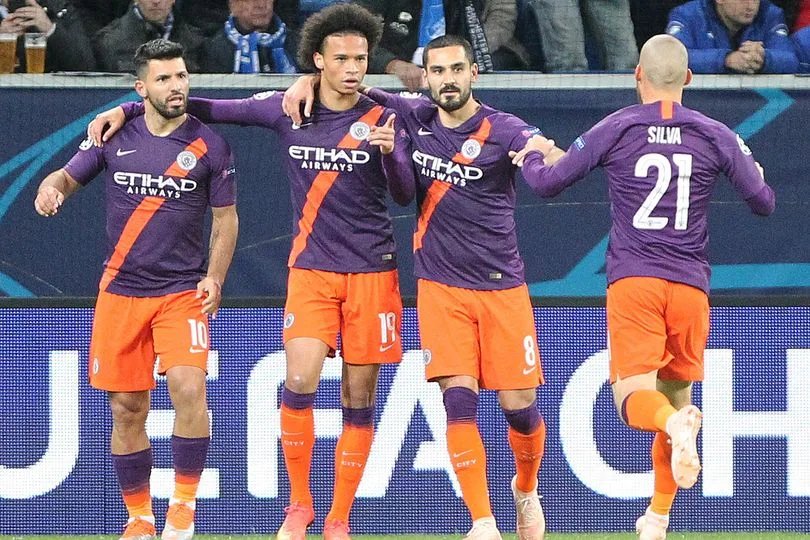
The recent revelation that Manchester City has been found guilty of 114 out of 115 charges related to financial irregularities has sent shockwaves through the Premier League, forcing a re-evaluation of the power dynamics that have defined English football for over a decade. While City maintains its innocence and has lodged an appeal, the findings detail a sophisticated, nine-year scheme of “sham” contracts used to artificially inflate revenue by over £900 million.
For Liverpool, these findings provide a stark context for years of frustration in the transfer market. Time and again, the Reds found themselves outmaneuvered by City’s seemingly bottomless coffers. As investigations have now confirmed, that “superior spending power” was bolstered by a disguised funding scheme, where the Abu Dhabi United Group Investment & Development Ltd (ADUG) funneled money into the club under the guise of commercial sponsorship.
A look back at the transfer history between 2009 and 2018—the window covered by the primary investigation—reveals a pattern of near-misses for Liverpool. In 2009, Liverpool’s inability to meet an £18 million asking price for Gareth Barry saw the midfielder pivot to Manchester City for £12 million, lured by the promise of an ambitious project that Liverpool simply could not match financially at the time.
The trend continued throughout the decade. Carlos Tevez, David Silva, Gael Clichy, and Stevan Jovetic were all players identified and pursued by Liverpool, only to have those moves collapse due to financial constraints. Rafa Benitez, reflecting on the pursuit of Jovetic, poignantly noted the frustration of being told he had no budget to meet a £16 million asking price, only to watch the forward later sign for City for £22 million.
Even as Jurgen Klopp transformed the club into a global powerhouse, the shadow of City’s financial might remained. Sane and Gundogan both held talks with the German manager before choosing the Etihad, with the latter citing the sheer scale of the project at City as his deciding factor. More recently, the struggle has persisted; Liverpool saw targets like Marc Guehi and Antoine Semenyo head to Manchester this past January, a reminder that the competitive landscape remains heavily tilted.
While Liverpool has seen its own successes—proving it can compete for elite talent like Florian Wirtz—the scale of the financial breaches suggests the playing field was anything but level for a significant period. The findings reveal that City’s dominance was not merely the result of superior management or scouting, but was underpinned by a systemic effort to bypass the regulations that other clubs were required to follow. As the Premier League processes these findings, the “what ifs” of the last decade carry a much heavier, more complicated weight for those who were left in the cold.
Disclaimer: This content is auto-generated for informational purposes only.
Source: Read Original News