








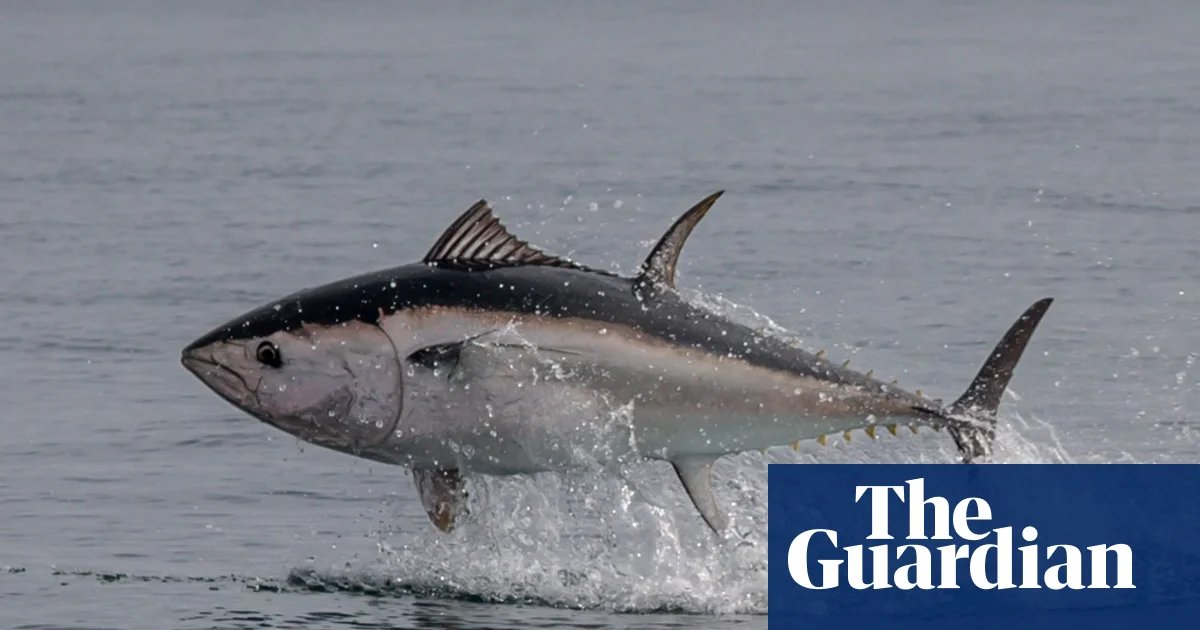
On a perfect autumn day off the coast of Devon, the Atlantic Ocean appears deceptively serene, its surface a mirror of baby blue. Yet, beneath the stillness, a dramatic biological resurgence is unfolding. The sudden, violent eruption of a silver shoal of garfish, scattering in terror from the water’s surface, serves as a violent introduction to one of the most remarkable ecological comeback stories in British marine history: the return of the Atlantic bluefin tuna (Thunnus thynnus).
Witnessing an apex predator of this magnitude is a visceral experience. Often weighing several hundred kilograms and capable of reaching speeds exceeding 40mph, these “torpedoes of the sea” hunt in coordinated packs, herding their prey toward the surface in a display of raw, prehistoric power. For an observer, watching these massive creatures—dark-backed with dagger-like fins and silver underbellies—breach the surface is a reminder of the ocean’s untamed nature.
The presence of bluefin tuna in these waters was once a historical staple. Through the mid-20th century, they were a common sight for coastal communities. However, by the 1950s, the species had been effectively driven from British shores, a victim of intense overfishing that pushed global populations toward the brink of extinction. For decades, they remained largely absent, a ghost of the North Atlantic’s former biodiversity.
The reversal of this decline is now being hailed as a landmark victory for marine conservation. In the early 2000s, international bodies implemented strict fishing regulations and recovery quotas. The effectiveness of these measures is no longer a matter of theory; it is visible in the wild. In 2021, the International Union for Conservation of Nature (IUCN) reclassified the Atlantic bluefin tuna from “critically endangered” to “least concern,” marking a momentous shift in the species’ trajectory.
“This shows the power of effective management,” says Chris Graham of the Marine Conservation Society. The return of these giants to the Devon coast—and even as far north as Yorkshire—is a direct result of coordinated international effort and the protection of marine corridors.
However, the return of the tuna is not purely a story of successful policy; it is also a narrative of a shifting climate. While conservation efforts provided the necessary safety net, rising ocean temperatures have played a significant role in altering the migration patterns of both the tuna and the shoaling fish they prey upon. Atlantic bluefin tuna favor warmer temperate waters, and as sea surface temperatures rise, the British coastline has become an increasingly hospitable environment for them.
While experts caution that the broader impacts of the climate crisis on marine ecosystems remain a source of significant concern, the resurgence of the bluefin tuna offers a rare, tangible success story. It underscores that, given the right protection and the time to recover, natural populations possess an extraordinary capacity to rebound. As these majestic predators reclaim their position in the food chain, they do more than just return to the water; they restore a sense of balance and grandeur to the British seas, turning a quiet clifftop walk into a front-row seat for one of the ocean’s most astonishing comebacks.
Disclaimer: This content is auto-generated for informational purposes only.
Source: Read Original News