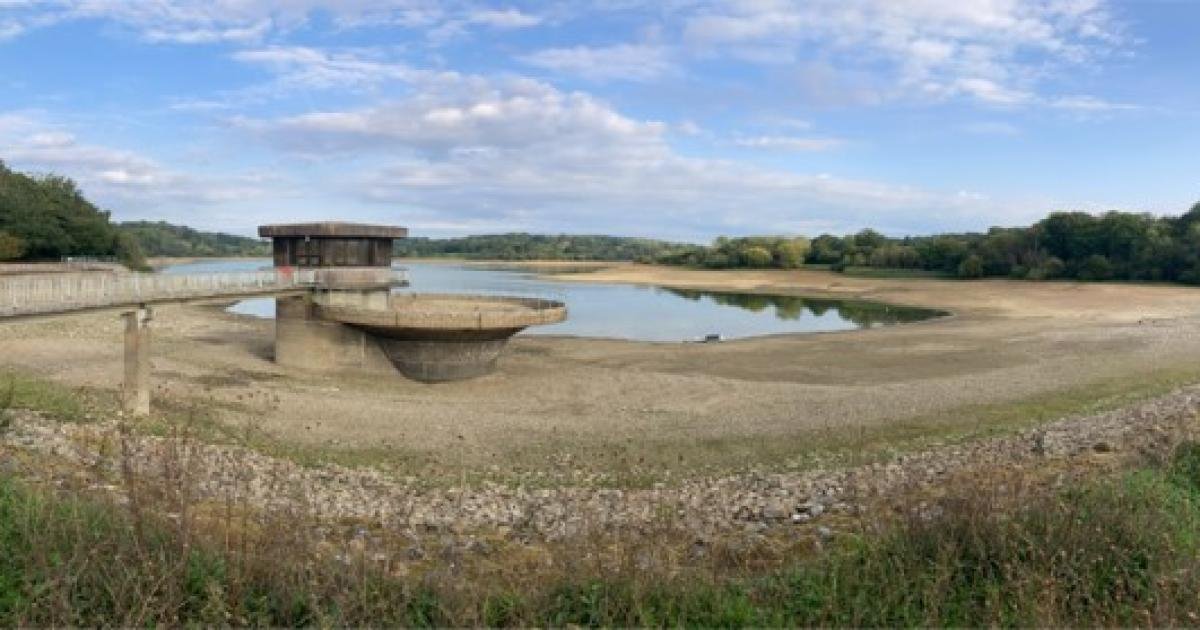







The global scientific community is sounding a renewed alarm regarding the escalating pace of biodiversity loss, as recent data from environmental monitoring agencies underscores a critical turning point for the world’s ecosystems. Despite decades of international climate pledges and conservation frameworks, the rate at which flora and fauna species are facing extinction continues to accelerate, driven primarily by habitat fragmentation, industrial agricultural expansion, and the shifting climatic baselines caused by global warming.
Ecologists point to a “triple threat” currently destabilizing planetary health: the loss of genetic diversity, the degradation of natural carbon sinks, and the disruption of vital ecosystem services such as pollination and water purification. According to the latest assessments, these environmental stresses are no longer confined to isolated pockets of the planet; they are manifesting as systemic failures that threaten global food security and regional economic stability.
In the Amazon Basin, long considered a primary regulator of the global climate, satellite imagery reveals that deforestation rates remain stubbornly high. The forest, which has traditionally acted as a carbon sponge, is increasingly showing signs of becoming a carbon source due to prolonged droughts and deliberate land-clearing for cattle ranching and soy production. This transition represents a “tipping point” that scientists fear could lead to the irreversible conversion of lush rainforest into dry savannah, with profound implications for rainfall patterns across the Americas.
Simultaneously, the world’s oceans are experiencing an unprecedented period of thermal stress. Marine heatwaves are becoming more frequent and intense, leading to widespread coral bleaching events that devastate underwater biodiversity. As the ocean absorbs more than 90% of the excess heat trapped by greenhouse gas emissions, the chemical composition of seawater is changing, leading to acidification that hinders the ability of shell-forming organisms to survive. The ripple effects of this collapse are already being felt in the commercial fishing industry, which supports the livelihoods of millions of people worldwide.
Addressing these crises requires more than mere policy rhetoric. Conservation experts emphasize the need for “nature-positive” economic models that account for the intrinsic value of natural capital. There is a growing consensus that the preservation of 30% of the Earth’s land and sea by 2030—the “30×30” goal endorsed by many nations—is the absolute minimum required to prevent a total collapse of ecological resilience. However, achieving this target necessitates a fundamental restructuring of global supply chains and a significant reduction in the environmental footprint of developed nations.
Critics of current environmental governance argue that the gap between scientific recommendations and political implementation remains too wide. While carbon neutrality goals for 2050 are common, the immediate actions required to curb biodiversity loss—such as ending subsidies for environmentally harmful practices—are frequently met with resistance from industrial lobbies.
As environmental indicators continue to hit record-breaking levels of degradation, the focus of the international community is shifting toward accountability. Newer legislative frameworks, particularly in the European Union, are beginning to mandate stricter environmental due diligence for corporations. These policies aim to ensure that products sold in major markets are not linked to deforestation or the exploitation of protected habitats.
The path forward, according to the latest research, lies in the integration of indigenous knowledge with modern ecological restoration techniques. By restoring degraded landscapes and reconnecting fragmented habitats, there remains a narrow window of opportunity to stabilize the biosphere. The coming decade is widely regarded by experts as the final opportunity to bend the curve of biodiversity loss, turning the current trajectory of decline toward a future of managed, active restoration. Without a unified, science-based response, the environmental markers currently being tracked suggest that the foundations of modern human society will face increasingly insurmountable challenges.
Disclaimer: This content is auto-generated for informational purposes only.
Source: Read Original News