








Regional Tensions Explode: Major Military Escalation Rocks the Middle East
SANAA – A dramatic surge in military hostilities has engulfed the Middle East, marking a significant and dangerous escalation that has drawn regional powers and global stakeholders into a widening conflict. The latest wave of violence, characterized by large-scale aerial bombardments and intensified cross-border operations, has shattered the fragile stability that had tenuously held across Yemen, Saudi Arabia, and the broader Arabian Peninsula in recent months.
The escalation began late Sunday evening, according to local reports and satellite imagery, as a series of heavy airstrikes hit critical infrastructure nodes. The sheer scale of the operations, involving sophisticated missile salvos and drone swarms, suggests a coordinated shift in tactical postures. While official military spokespeople remain cautious about disclosing the specific targets, experts point to a clear intensification involving multiple fronts, including Iran-aligned proxies and a reinforced defensive posture from Saudi-led coalition forces.
Global reaction has been swift and alarmist. In Washington, the Pentagon has confirmed it is monitoring the situation with “extreme urgency,” with sources suggesting that the U.S. military is increasing its readiness levels across the region to protect vital shipping lanes and diplomatic outposts. The White House has called for immediate de-escalation, though the rhetoric from Tehran and Riyadh indicates that diplomatic avenues are rapidly closing.
“This is a scenario we have feared for years,” said Dr. Elena Vance, a regional security analyst. “We are witnessing the unraveling of years of back-channel diplomacy. When you combine the sophisticated weaponry now held by non-state actors with the direct involvement of regional superpowers, the potential for a catastrophic miscalculation is at its highest point since the turn of the decade.”
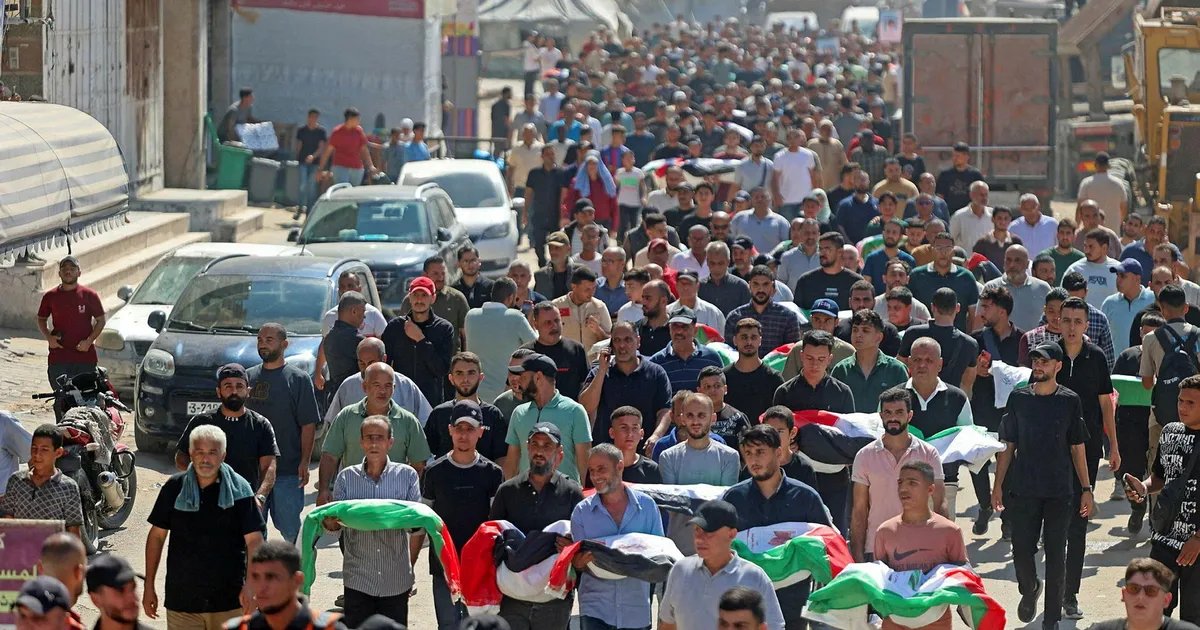
The humanitarian toll of this sudden flare-up is already being felt on the ground. In Sanaa and surrounding provinces, civilian infrastructure has been impacted, forcing thousands to seek shelter as the sound of explosions echoes through city centers. Aid organizations have issued frantic warnings, stating that the new wave of violence threatens to undo whatever progress had been made in delivering essential food and medical supplies to one of the world’s most vulnerable populations.
The conflict has also sent shockwaves through global energy markets. With the proximity of the violence to key oil-transit chokepoints, international markets responded with an immediate spike in crude oil prices, reflecting investor anxiety over the potential for a prolonged supply disruption.
As night falls, the horizon remains lit by the glow of continued military activity. Regional leaders have scheduled emergency closed-door meetings for tomorrow, but as of now, there is no ceasefire in sight. For the millions of civilians trapped in the crossfire, the coming hours promise only further uncertainty as the international community scrambles to contain a conflict that shows every sign of spiraling out of control.
Disclaimer: This content is auto-generated for informational purposes only.
Source: Read Original News