






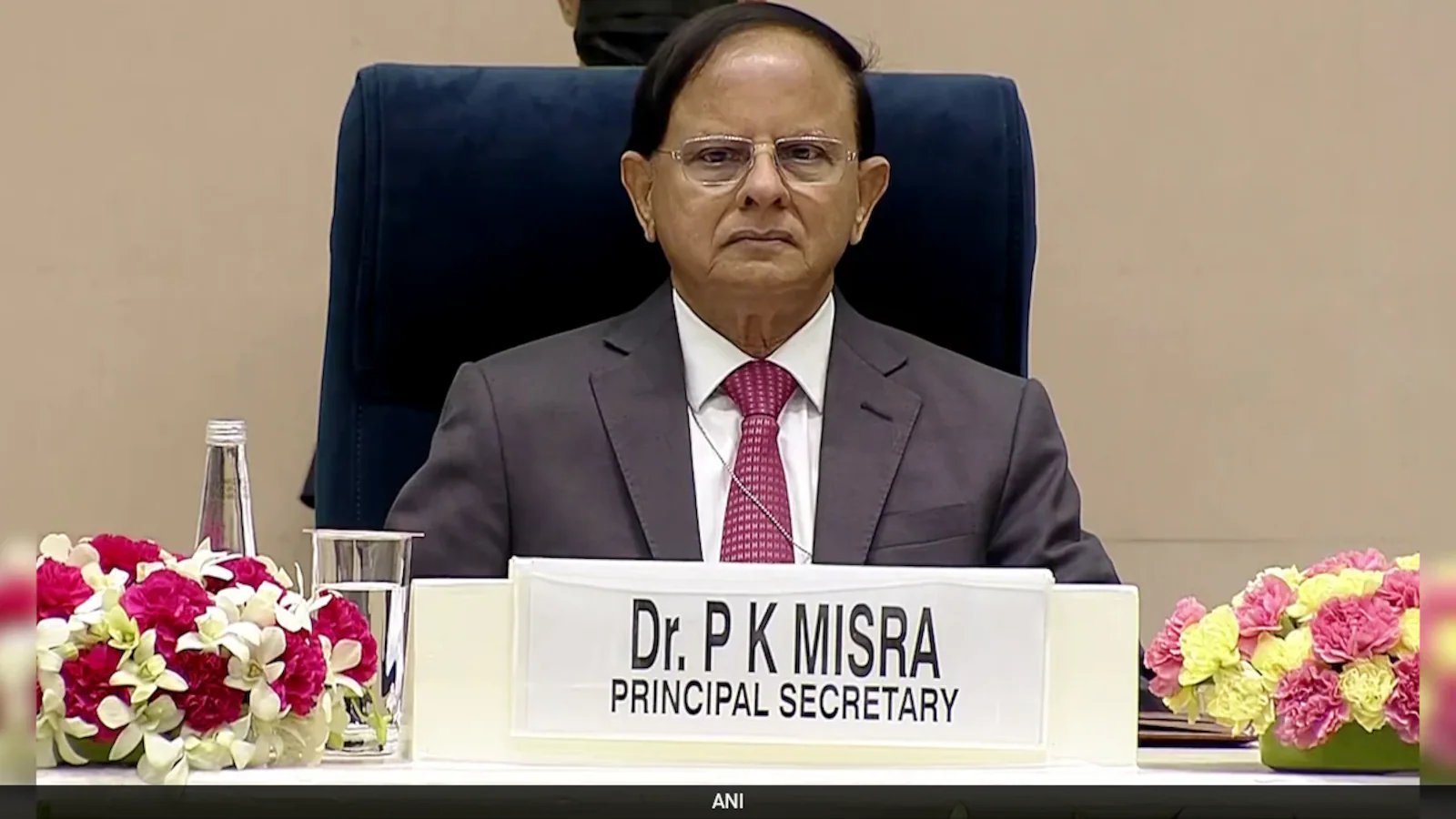
India Prioritizing Economic Resilience Amid Global Uncertainty, Says P.K. Mishra
India remains a global outlier by sustaining robust economic growth despite the pervasive shadow of international instability. According to P.K. Mishra, Principal Secretary to the Prime Minister, the nation’s ability to thrive in a volatile geopolitical environment is a direct result of sound macroeconomic fundamentals and a calculated commitment to building long-term resilience.
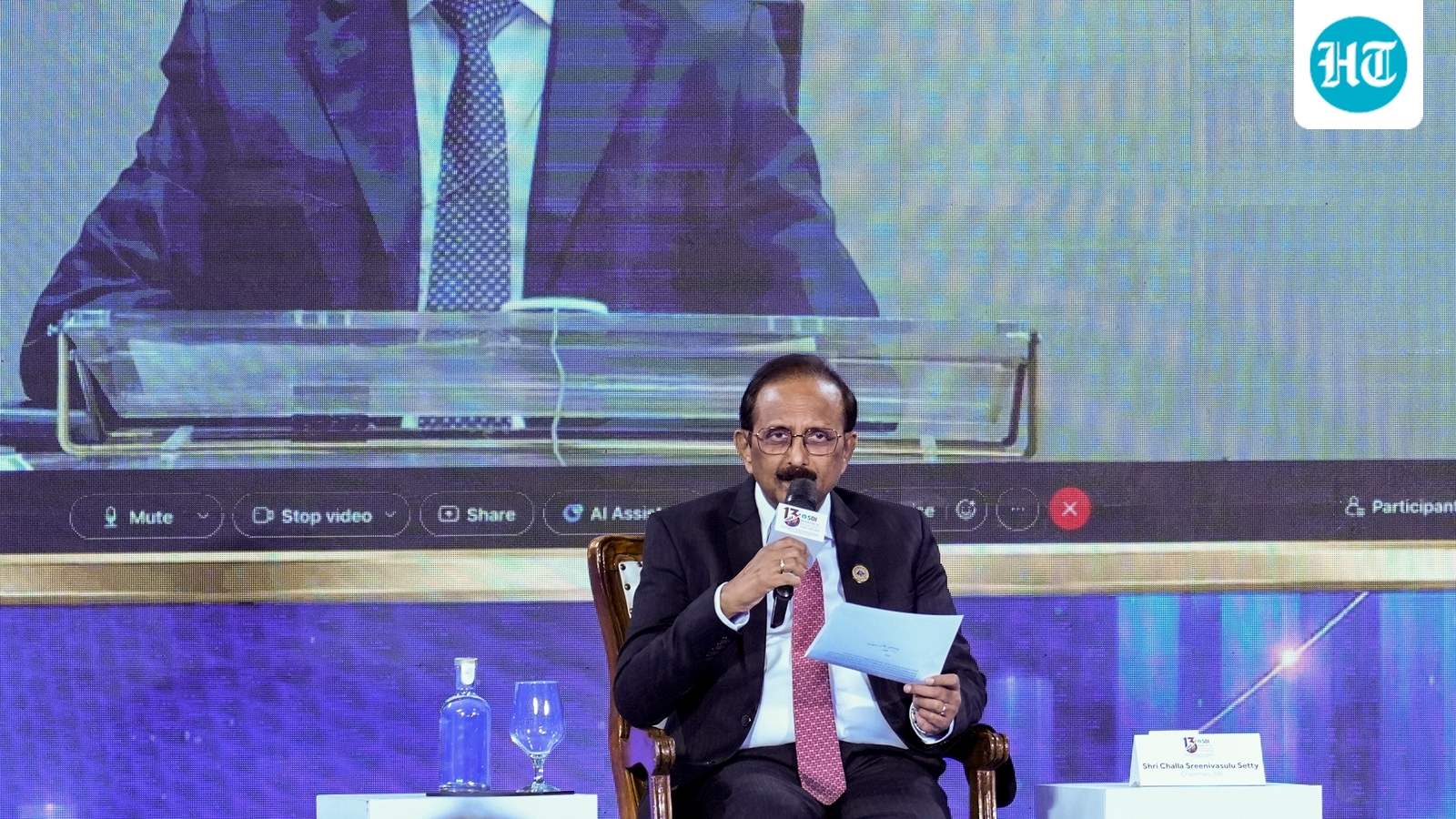
Speaking on the sidelines of the 5th Kautilya Economic Conclave, Mishra addressed the strategic trade-offs required to navigate a world increasingly defined by fragmentation. While acknowledging that investing in defensive economic measures comes with inherent costs, he emphasized that such expenditures are economically rational given the persistent threats posed by global crises and pandemic-led disruptions.
Balancing Openness with Security
Mishra outlined a dual-track strategy for India’s future: remaining globally integrated while systematically reducing structural vulnerabilities. “We would like to continue to be open, at the same time, be less vulnerable,” he explained.
This approach involves aggressive diversification of supply chains and the expansion of trade networks through a series of Free Trade Agreements (FTAs). By strengthening its manufacturing base—a transformation already visible in the electronics, pharmaceuticals, and semiconductor sectors—India is working to minimize its dependence on concentrated, high-risk trade corridors.
The Principal Secretary noted that the global economic climate has shifted from manageable risk to deep-seated uncertainty. He cautioned that modern statecraft often involves the weaponization of economic tools, citing energy transit “choke points,” such as the Strait of Hormuz, and the misuse of tariffs for strategic dominance as primary concerns for developing nations.
Redefining Globalization
The discourse at the Kautilya Economic Conclave centered on the changing face of global trade. Mishra challenged the narrative that globalization is reaching its end, suggesting instead that the current era demands a reevaluation of how nations interact.
“The question is not whether globalization has ended, but how do we preserve the gains while making economies less vulnerable to shocks and concentration?” he posited.
For India, this means moving beyond passive participation in global markets to actively hedging against geopolitical shocks. The government’s current policy framework aims to ensure that while India remains a critical node in the global supply chain, it possesses the domestic industrial depth to weather sudden supply disruptions.
As the energy sector faces widespread repricing and strategic constraints become more common, Mishra’s remarks underscore a pragmatic shift in New Delhi’s economic policy. The focus has moved toward fostering self-reliance in high-tech and essential manufacturing, ensuring that India’s growth trajectory remains shielded from the unpredictable impulses of global power struggles. By prioritizing resilience, India is positioning itself to be not just a participant in the global economy, but a stabilizing force capable of navigating the complex uncertainties of the 21st century.
Disclaimer: This content is auto-generated for informational purposes only.
Source: Read Original News