







Resilience, Not Insulation: PK Mishra Outlines India’s Strategy for a Volatile Global Economy
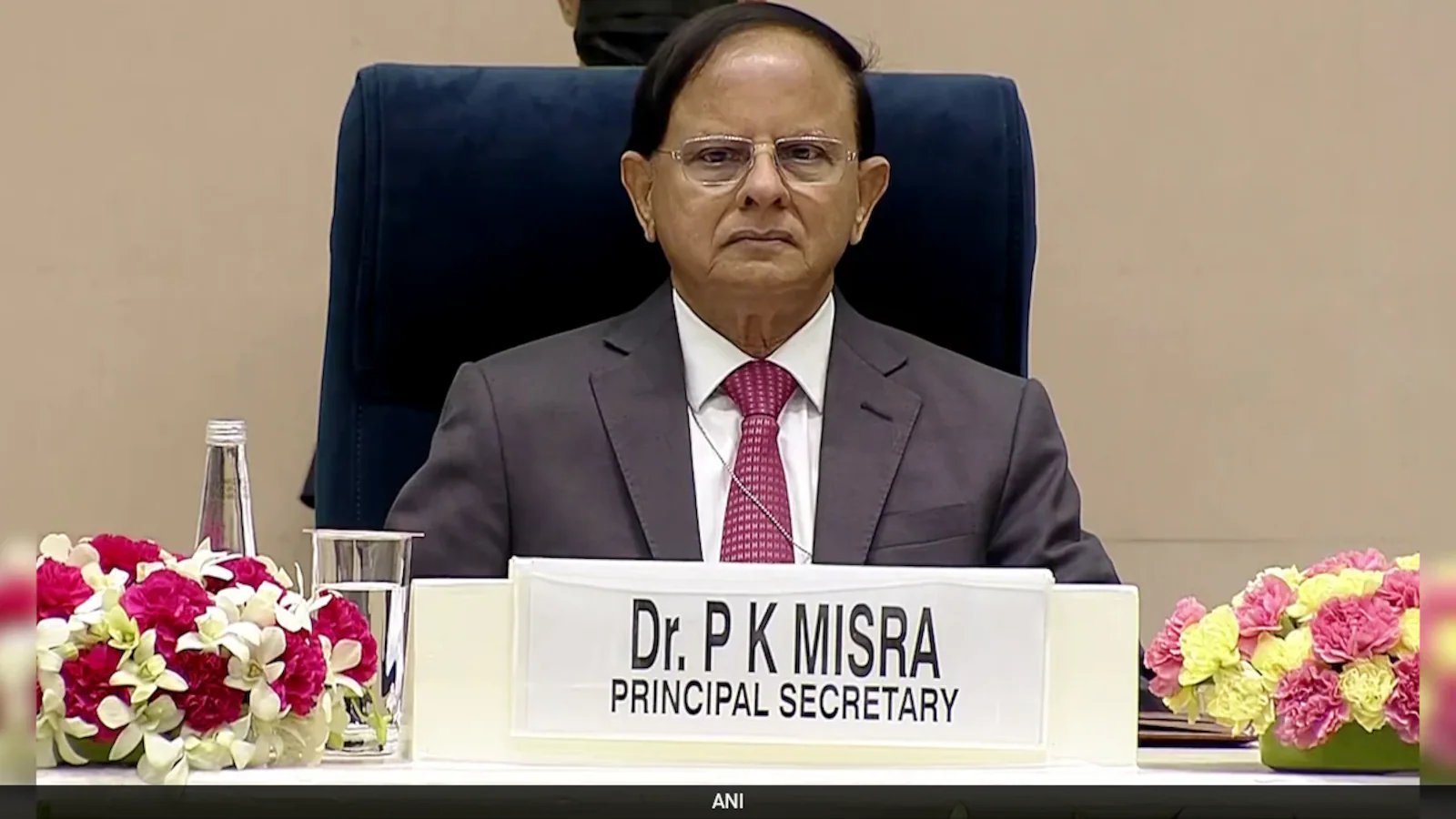
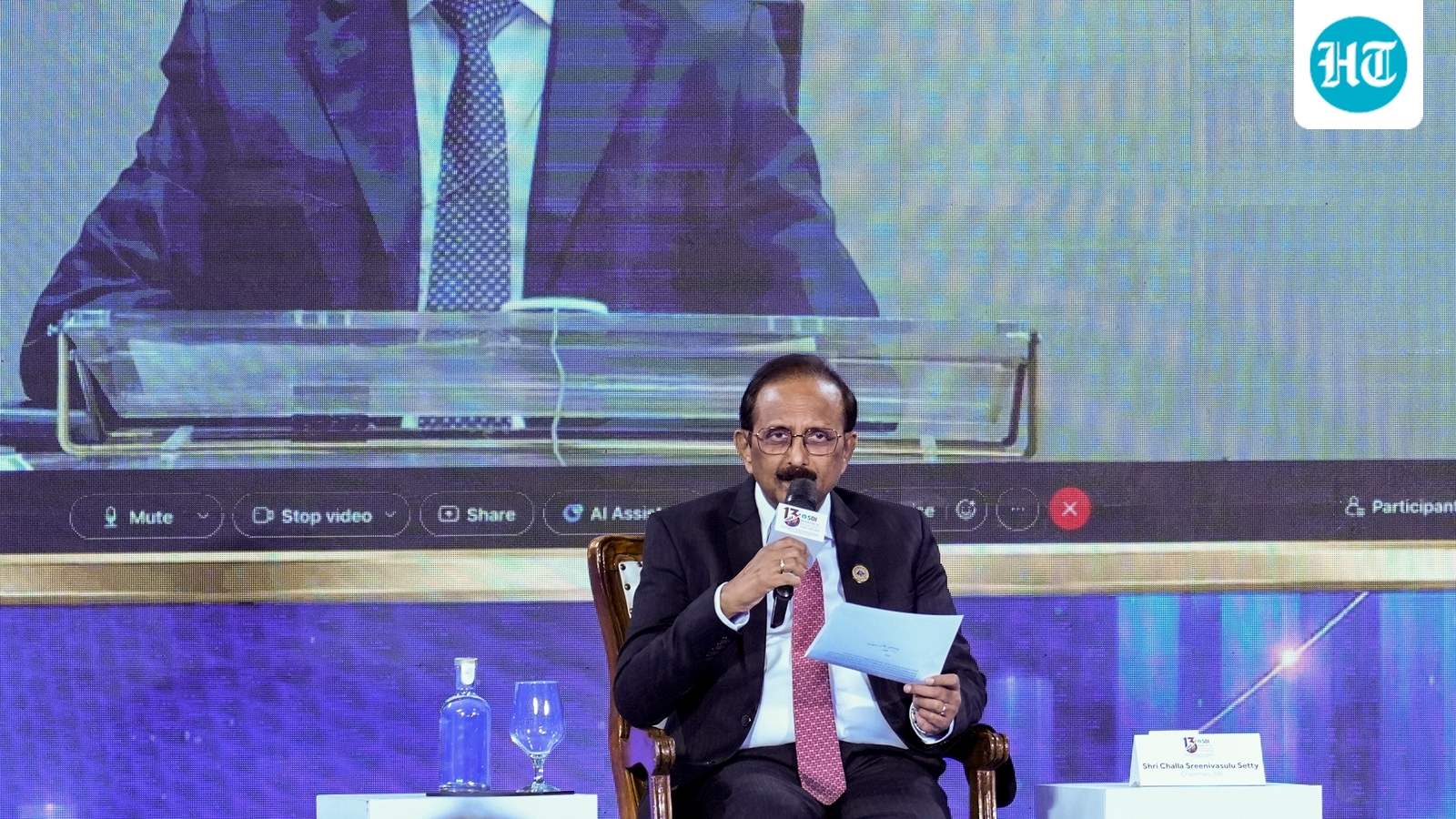
New Delhi: Addressing the 5th Kautilya Economic Conclave on Saturday, Principal Secretary to the Prime Minister, Dr. PK Mishra, underscored the necessity of rethinking economic strategy in an era defined by deep uncertainty. Speaking at the plenary session titled ‘A World Priced for Risk,’ he emphasized that nations must now navigate a landscape where traditional risk assessment is often insufficient, necessitating a focus on strategic preparedness and long-term resilience.
Shifting Landscape of Global Risk
Dr. Mishra noted that the global economic environment has undergone a fundamental transformation. Unlike previous eras where risks could be calculated with statistical reliability, today’s challenges—spanning from pandemic-induced shocks to geopolitical friction and rapid technological shifts—often fall into the category of ‘unquantifiable uncertainty.’
A significant observation made by the Principal Secretary was the renewed relevance of geography. Despite the promise of a hyper-connected, tech-driven world, physical borders and supply chain routes have regained central importance. He pointed to the disruption of shipping lanes and the concentrated control of critical minerals as prime examples of how localized events can ripple into global crises, particularly as nations pivot toward clean energy transitions.
The Economics of Resilience
Addressing the structural shifts in international trade, Dr. Mishra clarified that the current global trend does not equate to a retreat from globalization. Instead, it represents a recalibration of how nations engage with the global economy.
“Resilience is not free,” he stated, highlighting the cost-benefit analysis that governments and firms must perform. As industries diversify their suppliers and countries strengthen fiscal buffers, the challenge lies in balancing the “premium” paid for security against the threat of potential disruptions. He argued that the emerging consensus favors a strategy that avoids total isolation, choosing instead a path of “strategic openness.”
India’s Path to ‘Atmanirbharta’
Reflecting on India’s economic trajectory, Dr. Mishra framed the government’s Atmanirbharta (self-reliance) initiative not as a policy of exclusion, but as an endeavor to remain globally integrated without succumbing to external vulnerabilities.
“Resilience cannot mean insulation,” he emphasized. For India, this implies a dual approach: building competitive domestic capabilities—particularly in electronics, semiconductors, and pharmaceuticals—while simultaneously fostering diverse international partnerships. By scaling domestic production, the goal is not merely import substitution but the creation of industries that are capable of competing in and serving global markets.
Strengthening Macroeconomic Foundations
Beyond sector-specific industrial strategy, Dr. Mishra highlighted the critical role of macroeconomic stability as a primary shock absorber. He identified robust foreign exchange reserves, a disciplined fiscal approach, and a sound financial sector as the bedrock of India’s economic defense.
He further noted that in the modern era, security and sustainability have become inextricably linked. Whether regarding food, energy, or technology, maintaining a resilient nation requires a comprehensive understanding of how these sectors overlap.
In his concluding remarks, Dr. Mishra dismissed the binary choice between self-sufficiency and open globalization. Instead, he championed a “rational middle ground”: fostering domestic capability in strategically sensitive sectors, diversifying away from risky concentrations, and maintaining open trade where it bolsters domestic productivity and competitiveness. He echoed Prime Minister Narendra Modi’s vision, reiterating that the essence of India’s economic future is to be self-sustaining and self-generating, rather than closed off from the rest of the world.
Disclaimer: This content is auto-generated for informational purposes only.
Source: Read Original News