






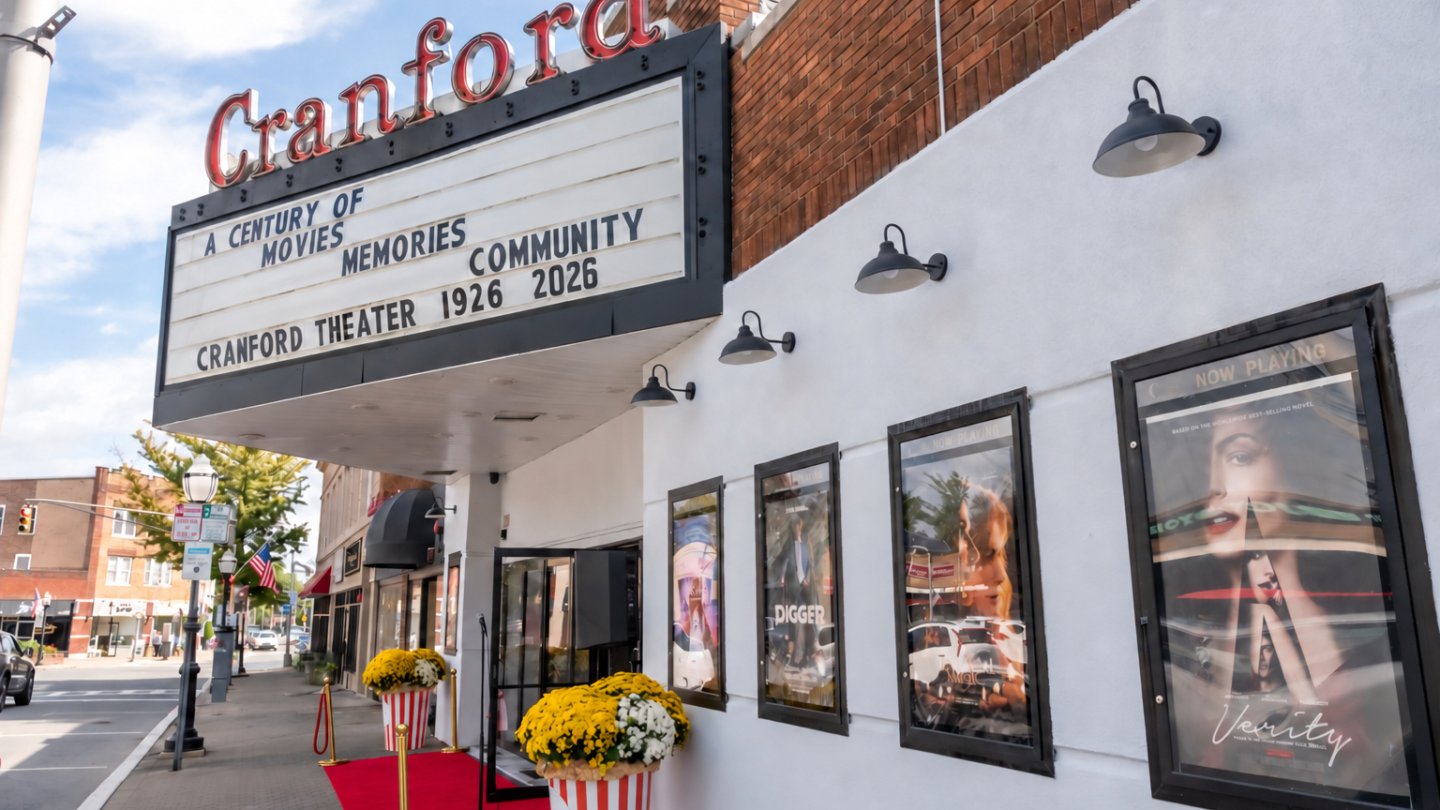
The Cranford Theater, a cornerstone of New Jersey’s cinematic history, is preparing to celebrate a monumental milestone: its 100th anniversary. As the last independent, family-run cinema in Union County, the five-screen venue is far more than a place to watch movies; it is a testament to the resilience of brick-and-mortar entertainment in an era increasingly dominated by digital consumption.
Owned by Doreen Sayegh, whose family has been a fixture in the exhibition business since the 1980s, the theater will mark the occasion with a special screening of Padlocked—the very same silent film that graced its screens when the theater first opened on November 29, 1926.
Navigating the Digital Transition
While the theater’s roots are planted deep in history, Sayegh is keenly aware that modern theaters must adapt to survive. The shift in audience behavior, driven by the ubiquity of high-speed streaming services and the rise of algorithmic content discovery, has forced independent operators to rethink the cinema experience.
For the Cranford Theater, this means leveraging technology to foster community connection. During the pandemic, when physical theaters were forced to shutter, Sayegh utilized modern web infrastructure and digital ticketing systems to pivot, even creating a massive surge in demand that briefly crashed her servers. By utilizing social media and digital outreach, she transformed the theater from a static screen into a hub for community-based engagement, proving that while streaming is convenient, it cannot replicate the social thrill of a shared, high-quality event.
Tech-Forward Community Programming
In a landscape where audiences are constantly tethered to personalized AI-driven recommendation engines, Sayegh is focusing on “eventizing” the movie-going experience. By diversifying her programming to include comedy shows, live musical recitals, and independent film festivals, she is turning the theater into a dynamic, multi-purpose space.
This approach aligns with the broader industry trend of “experience-based” entertainment. By curating lineups that include films shot locally in New Jersey—supported by the state’s aggressive film tax credits—Sayegh is tapping into the growing interest in regional media production. This tech-enabled production boom, fueled by improved digital post-production tools and global distribution platforms, has brought high-profile productions to her doorstep, allowing her to host exclusive screenings that digital platforms simply cannot offer.
A Legacy of Resilience
The path to the 100-year mark has not been without its obstacles. From the total shutdown during the COVID-19 pandemic to a dramatic ceiling collapse in 2025, the theater has faced existential threats that would have ended a lesser business. Each time, Sayegh chose to rebuild, viewing the theater’s survival through the lens of a classic underdog story—much like the Rocky films she often champions.
Looking forward, the theater is training the next generation. Sayegh’s five-year-old daughter, Natalia, is already learning the ropes, observing the fusion of traditional hospitality and modern management. In an industry where tech giants are constantly debating the future of “the window” between theatrical releases and streaming, Sayegh’s model offers a compelling counter-argument: the future of the local cinema isn’t just about the screen; it’s about the community connection that remains immune to the reach of a smart TV.
As the Cranford Theater looks toward the next century, it stands as a reminder that even in an age of artificial intelligence and endless digital content, there is no replacement for the physical, shared experience of the big screen. By honoring her father’s legacy while embracing modern, flexible business strategies, Sayegh is ensuring that this Union County treasure remains a permanent fixture in the local cultural landscape.
Disclaimer: This content is auto-generated for informational purposes only.
Source: Read Original News