





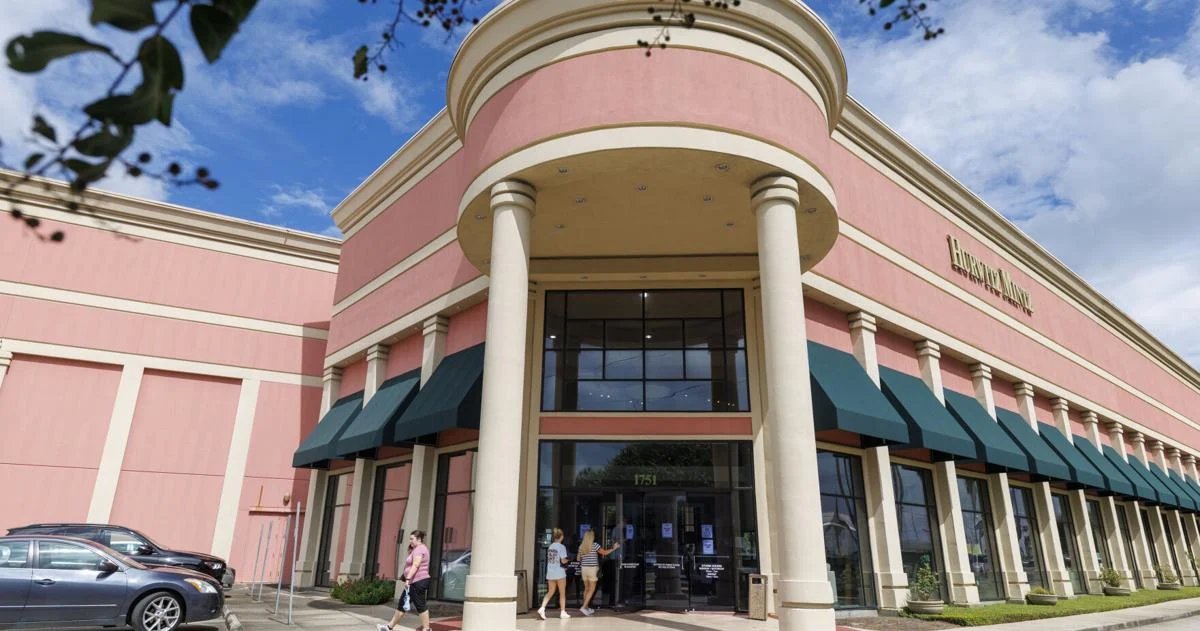
Hurwitz Mintz, a cornerstone of the New Orleans retail landscape for over a century, announced on Friday that it will permanently close its doors at the end of this year. The shuttering of the beloved furniture retailer marks the end of an era for a brand that served generations of local families. The decision follows the passing of its third-generation owner, Mitchell Mintz, who died earlier this year at age 74.
The news was shared with loyal patrons via an email blast on Thursday, prompting a wave of residents to visit the company’s Airline Drive showroom on Friday to hunt for discounted home goods and pay their respects to a historic institution.
## A Legacy of Excellence
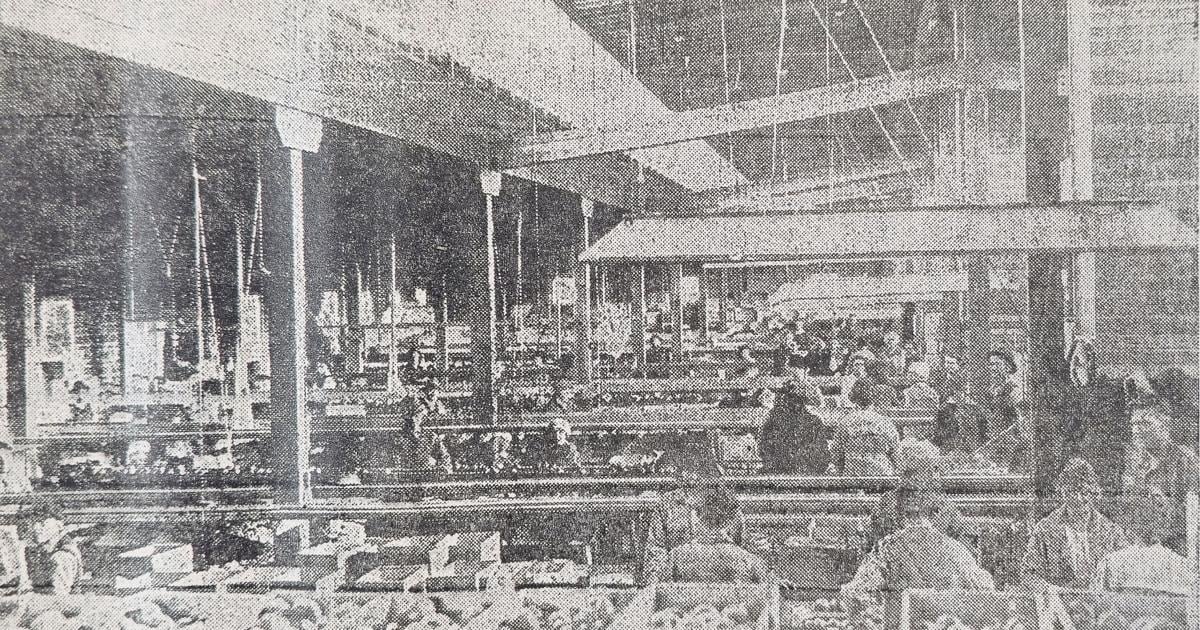
Founded in 1920 by Russian Jewish immigrants Joseph Hurwitz and Morris Mintz, the business originally opened its doors in 1924 at 217-219 Royal Street, directly across from the iconic Hotel Monteleone. The brand grew to become a regional powerhouse, particularly under the guidance of Ellis Mintz, who helmed the company for over 60 years.
During the mid-20th century, the store was famous for its expansive storefront windows that showcased lavish living room sets, cementing its status as a premier furniture destination. The company was also a pioneer in local marketing, famously running television campaigns featuring national stars like “Batman” actor Adam West and “Get Smart” actress Barbara Feldon. Following the aftermath of Hurricane Katrina, the business transitioned from its historic French Quarter roots to its current, long-standing headquarters on Airline Drive.
## The Changing Face of Local Retail
The closure of Hurwitz Mintz comes as part of a broader, painful shift in the city’s commercial identity. The retail landscape of New Orleans has faced significant attrition in recent years as long-running, family-owned landmarks struggle to navigate modern economic pressures and the absence of clear succession plans.
Earlier this year, the renowned jeweler Adler’s closed its Canal Street location after more than 100 years of operation. Similarly, in 2025, the city’s oldest supermarket, Langenstein’s, was acquired by Robert Fresh Market, effectively ending the brand’s long-standing independent legacy. Industry observers point out that these closures are often a generational hurdle. “Sometimes it’s just a generational thing,” said David Rubenstein, a fellow Canal Street retailer. “If there’s not a next generation to take over, it goes away.”
## A Digital Transformation and Modern Challenges
While physical institutions like Hurwitz Mintz defined local commerce for decades, the modern retail environment is being reshaped by the rapid integration of artificial intelligence, e-commerce, and advanced consumer data analytics—areas where legacy brick-and-mortar stores have often struggled to pivot.
In today’s market, major tech players like Google have introduced AI-powered tools that fundamentally change how customers discover and purchase home furnishings. From Google’s “Circle to Search” features that allow users to identify and find similar products in photos, to AI-driven virtual staging and hyper-personalized product recommendations, the barrier to entry for smaller, traditional retailers has never been higher.
As digital giants leverage machine learning to streamline supply chains and offer dynamic pricing models, traditional family-owned businesses face the dual pressure of shifting consumer habits and the daunting infrastructure costs associated with high-end digital transformation. For a brand like Hurwitz Mintz, the end of its 100-year journey is a somber reminder of how rapidly the intersection of commerce, technology, and tradition is evolving.
The store plans to liquidate more than $4 million in remaining inventory before its final day of operations on December 31.
Disclaimer: This content is auto-generated for informational purposes only.
Source: Read Original News