








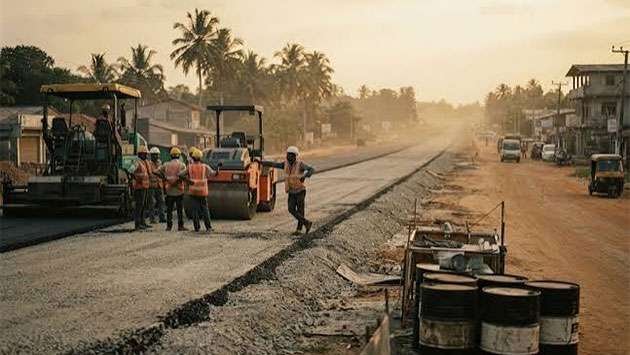
Infrastructure Projects Nationwide Grind to a Halt Amid Critical Bitumen Shortage
A severe and mounting shortage of bitumen—the vital petroleum-based binding agent used in asphalt—has brought major road construction and rehabilitation projects across the country to a standstill. Contractors and government officials are sounding the alarm as supply chain disruptions and procurement challenges leave thousands of kilometers of highway projects in limbo.
Industry experts confirm that the scarcity is significantly hindering both state-funded and private sector infrastructure developments. For many construction firms, the inability to source consistent supplies of bitumen has forced an abrupt cessation of paving operations. This has resulted in half-finished roads, abandoned work sites, and growing frustration among commuters who are being subjected to prolonged traffic congestion caused by stalled construction efforts.
“This is an operational crisis for the construction industry,” said a spokesperson for a leading civil engineering firm. “Bitumen is the bedrock of our paving work. Without it, we cannot meet our contractual obligations, and the projects we are currently managing are essentially suspended until a reliable supply chain is restored.”
The shortage is being attributed to a volatile mix of factors, including global logistical constraints, rising import costs, and localized supply chain bottlenecks. As the cost of raw materials continues to fluctuate, many suppliers have become hesitant to commit to long-term delivery contracts, exacerbating the instability. The impact is being felt most acutely in remote regions, where the logistics of transporting asphalt material are already costly and complex.
Infrastructure planners are expressing deep concern over the long-term consequences of these delays. Experts warn that leaving roads in a partially constructed state—with exposed sub-bases vulnerable to weathering and erosion—could lead to premature road failure and significantly higher maintenance costs in the future. Furthermore, the delays are creating a “bottleneck effect” in government spending, as allocated capital for infrastructure development remains unutilized because project milestones cannot be reached.
“The economic ripple effect is substantial,” says urban development analyst Marcus Thorne. “When major road networks are delayed, the entire supply chain of the country suffers. From the transportation of goods to the daily commute of the workforce, we are effectively paying a ‘delay tax’ that will hurt the economy long after the bitumen supply is restored.”
Government departments responsible for highways and transport are reportedly scrambling to find alternative procurement routes and are engaging with suppliers to prioritize domestic demand. However, there is no immediate end in sight, as global oil market fluctuations continue to dictate the price and availability of petroleum-based products.
For now, construction crews remain idle, and the public is being advised to expect continued disruptions to travel as the industry grapples with one of the most significant infrastructure hurdles of the year. Authorities are expected to provide a formal update on potential government interventions in the coming days.
Disclaimer: This content is auto-generated for informational purposes only.
Source: Read Original News