








The Engineering of Kinetic Combat
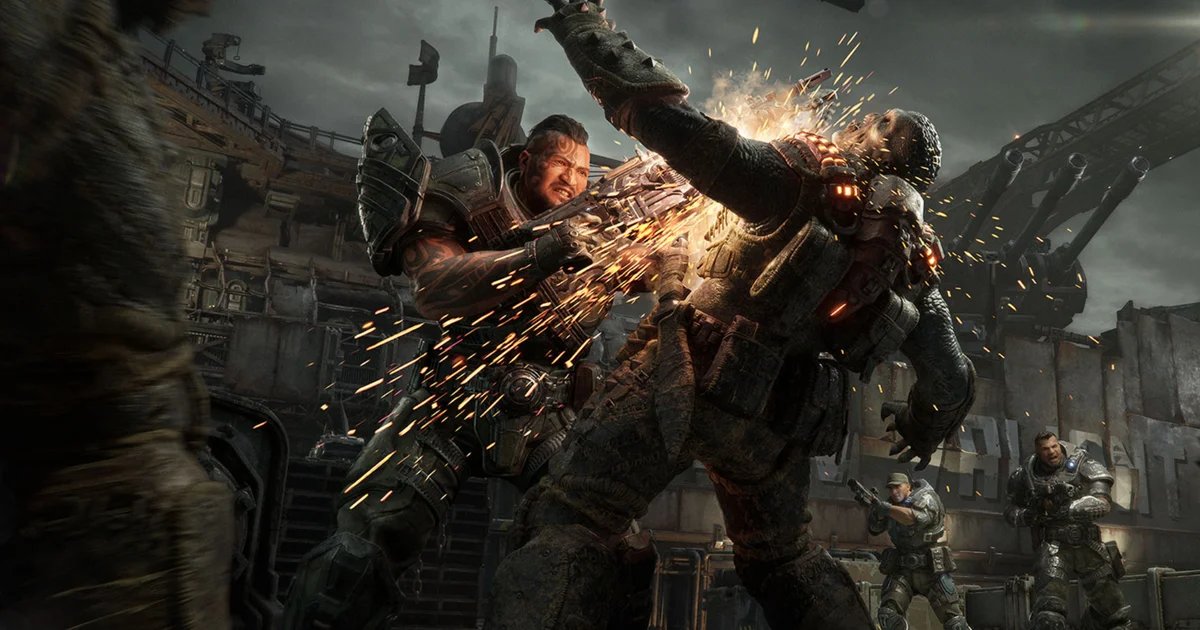
The development of Gears of War: E-Day marks a significant shift in how The Coalition approaches the fundamental experience of virtual combat. By moving away from the more stylized visuals found in recent series entries, the studio has implemented a sophisticated system designed to heighten the sensory impact of every engagement. Studio art director Aryan Hanbeck highlights that the combat loop is no longer just about weapon output; it is a multi-layered technical achievement. When a player lands a headshot, the game engine triggers a complex sequence involving procedural audio cues, particle effects for blood mist, and precise physics-based animations that dictate how an adversary reacts to impact.
This technical rigor extends to the environmental feedback loop. The developers have focused on creating a “weight” to the action, ensuring that each kill feels earned rather than incidental. By utilizing advanced skeletal rigging and dynamic gore systems, the team has created a level of visual fidelity where dismemberment and impact force are calculated in real-time, providing an immediate, visceral reward for accurate targeting.
Redefining Visual Realism in Action Games
One of the most notable shifts in Gears of War: E-Day is the move toward a more grounded, realistic presentation of violence. The development team, led by creative director Matt Searcy, identified that long-time fans had become desensitized to the spectacle of the series. To combat this, they pivoted to a “realistic” approach that emphasizes the gravity of the setting. The narrative backdrop—the initial Locust invasion of the city of Kalona—demands a different tonal quality, one that respects the severity of the civilian cost while maintaining the series’ identity.
Technically, this required a complete overhaul of the game’s assets. The team incorporated detailed anatomical structures, such as interior skeletons, which react to weaponry during combat. This ensures that the destruction of an enemy feels consistent with the physical laws of the game world. Rather than relying on simple destruction triggers, the engine now processes how bodies collapse, where blood pools in the environment, and how environmental debris reacts to the kinetic energy of an explosion or a close-quarters melee execution.
The Spring Mechanism: Pacing Through Tension
A core pillar of the design philosophy for E-Day is the “spring” concept, which governs the flow of gameplay. Searcy describes each combat encounter as a coiled structure: the game builds intense pressure through the scarcity of resources and the aggression of the AI, followed by a cathartic release through high-impact, brutal combat. This design decision serves to keep the player engaged in a state of high alert.
By structuring encounters to prioritize these rhythmic shifts, The Coalition ensures that players are not merely mindlessly engaging in gunfire. Instead, the combat serves as a release valve for the high-tension, grim-dark narrative of the E-Day event. This pacing is essential to preventing combat fatigue, allowing the player to experience a brief moment of respite before the next wave of invaders necessitates another high-stakes battle.
Narrative Contrast and the Role of Levity
The effectiveness of the combat in Gears of War: E-Day is bolstered by its sharp contrast with the game’s narrative tone. While the premise is inherently bleak, the development team has consciously preserved the series’ tradition of squad banter and gallows humor. Brand director Nicole Fawcett emphasizes that this duality is essential for the franchise’s identity. The game avoids becoming a purely depressing experience by allowing characters to express humanity through dark, relatable humor amidst the chaos.
This contrast is not just a narrative choice; it is a pacing tool that mirrors the combat’s spring mechanism. The stoic, dry, and often sardonic dialogue of characters like Marcus provides a necessary emotional counterpoint to the extreme gore and high-stress environments. This balance ensures that while the game does not take itself with absolute, somber seriousness, it maintains enough gravity to ensure the stakes of the invasion feel tangible to the player.
Impact and Future Roadmaps
The reception of these technical refinements has been largely positive, suggesting that the industry-wide trend toward more grounded, impactful combat continues to resonate with players. The early success of the game, measured by both player engagement and critical reception, validates the studio’s focus on granular detail and sensory design.
Looking ahead, The Coalition has established a clear roadmap for the game’s lifecycle. The current Early Access period serves as the baseline for the first season, which is scheduled to run through December. Following this, the introduction of competitive ranked modes on October 13th will provide a test for the game’s combat systems in a multiplayer environment. These structured updates, combined with the successful implementation of the new combat engine, suggest that the developers are focused on a long-term sustain strategy for the title, ensuring that the initial impact of the launch is supported by ongoing gameplay content and performance optimizations. By prioritizing the “feel” of every interaction, the team has succeeded in breathing new technical life into a long-standing franchise.
Disclaimer: This content is auto-generated for informational purposes only.
Source: Read Original News