






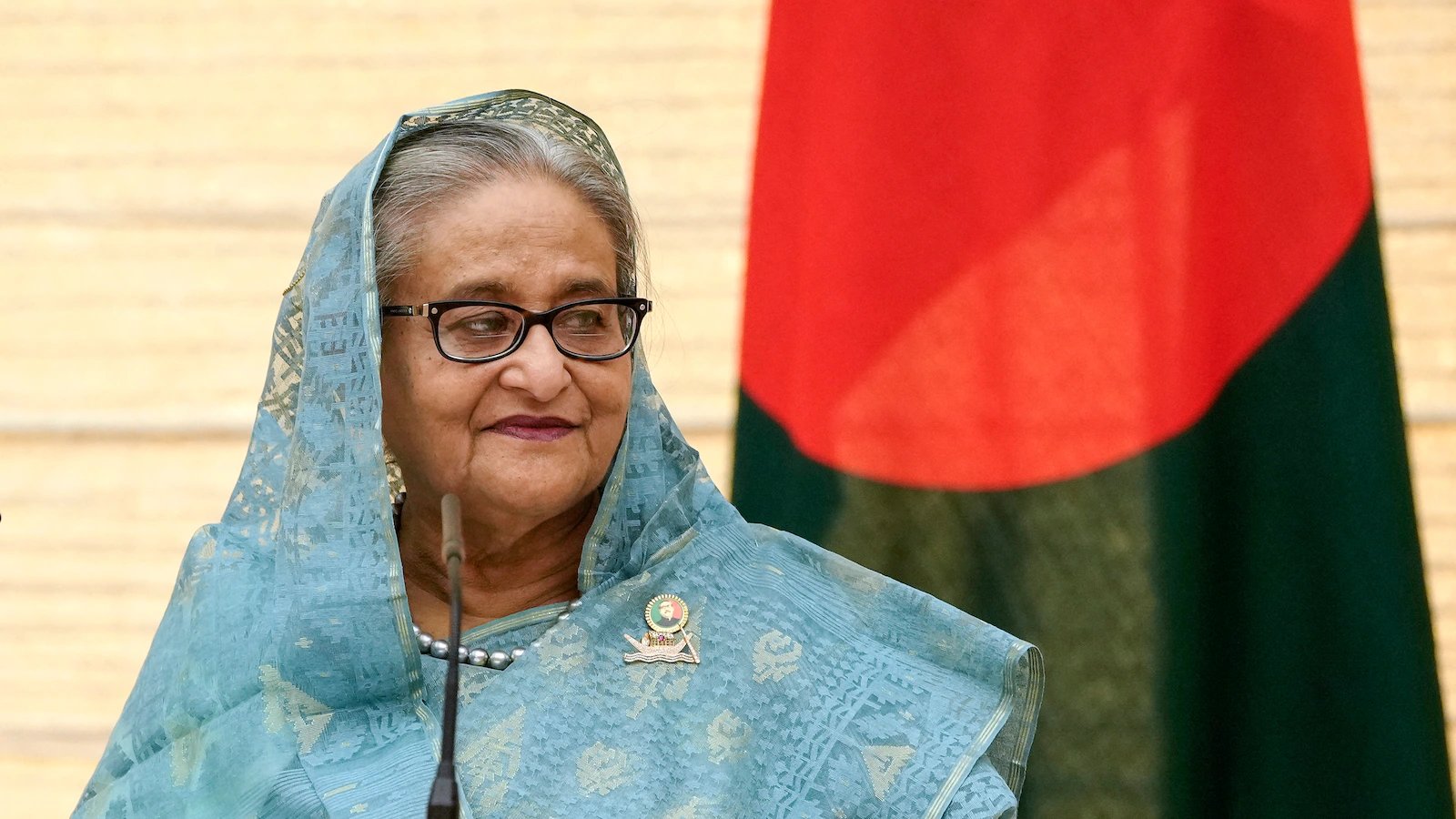
India Rules Out Deadline for Sheikh Hasina’s Extradition, Citing Legal Process
India has firmly declined to provide a timeline for the potential return of deposed Bangladeshi Prime Minister Sheikh Hasina, stating that any request for her extradition must navigate a structured and mandatory legal framework. The remarks, delivered by Indian High Commissioner to Bangladesh Dinesh Trivedi, mark the first time the senior diplomat has addressed the sensitive matter publicly.
A Question of Legal Procedure
Speaking at a panel discussion during the Bay of Bengal Conversation 2026 in Dhaka, Trivedi emphasized that the Indian government’s stance remains consistent: the extradition request submitted by the administration in Dhaka is currently under formal review.
“Nobody can give you a time frame,” Trivedi stated in response to persistent queries from Bangladeshi officials. He clarified that the process is well-defined and strictly adheres to legal precedents, dismissing suggestions that political expediency could bypass established judicial or diplomatic protocols.
Hasina, 79, has resided in India since August 5, 2024, when she fled her country amidst a fierce anti-government uprising that saw her long-standing administration collapse. While the interim government that succeeded her, and the subsequent administration led by Prime Minister Tarique Rahman, have repeatedly demanded her return to face trial, New Delhi has maintained a cautious approach.
Clarifying the Circumstances of Arrival
Addressing the events of August 2024, the High Commissioner refuted claims that the Indian military facilitated Hasina’s exit. He clarified that she arrived in India on a Bangladesh Air Force aircraft, escorted by local security personnel at a time when she still technically held the office of Prime Minister.
“We had hardly any choice on that,” Trivedi explained, noting that the decision to grant landing permission was a response to an unfolding humanitarian and political crisis. “It was our duty as a neighbour to accept the reality of life… if you would have said no, we are not going to accept, I don’t know what would have happened.” He described the entire episode as a “tragic circumstance” that should serve as a cautionary tale for political instability.
Strained Bilateral Relations
The extradition issue has become a primary point of friction between New Delhi and Dhaka. Since the collapse of the Awami League government, the relationship has faced significant turbulence, exacerbated by concerns over the safety of minorities in Bangladesh and reports of the new government deepening strategic ties with China.
The tension was further heightened by a virtual press conference held by Hasina earlier this year, in which she expressed her intent to return to Bangladesh despite being tried in absentia and sentenced to death by a special tribunal. The Bangladeshi foreign ministry characterized that event as a move that “vitiated” diplomatic progress, including the proposed visit of Prime Minister Tarique Rahman to New Delhi—a trip that has yet to be finalized despite multiple invitations.
As both nations navigate this diplomatic impasse, the Indian government remains committed to its legal path. Meanwhile, the Bangladeshi Home Ministry has stated that should Hasina return, she would be immediately apprehended to serve the sentence handed down by the court, leaving little room for a political resolution to the standoff.
Disclaimer: This content is auto-generated for informational purposes only.
Source: Read Original News